Reed Hastings on Talent Density
Reed Hastings sees talent density as the foundation of Netflix’s culture: pack teams with exceptional people, then give them candor, freedom, and context instead of heavy rules.
- Talent density means keeping the bar high so teams are made up mostly of exceptional performers.
- Hastings believes creative work improves with stronger people and fewer controls, not more process.
- Low talent density creates mistakes, which then triggers rules and bureaucracy that drive great people away.
- The practical tools are tough hiring, the keeper test, candid feedback, and generous severance for poor fits.
- The goal is not harshness for its own sake, but a team capable of independent judgment on hard problems.
Talent density is the core idea, not a side principle
Hastings treats talent density as the operating center of the company, not just an HR preference. His basic view is that a company should be built like a team with very high standards, not around assumptions of permanence or loyalty for its own sake. That is why he contrasts a team with a family and says the company valued growth and achievement more than lifetime loyalty.
He also ties the promise of the workplace directly to the quality of colleagues. The attraction is not security above all else, but the chance to work with outstanding people on difficult problems. In his framing, that concentration of strong people is itself one of the biggest benefits a company can offer.
Why Hastings thinks high talent density beats process
Hastings’s argument comes from seeing what happens when talent density falls. Looking back at Pure Software, he says declining talent density led to more mistakes, which led to more rules, which then pushed out the very high-caliber people you most want to keep. His lesson was that process cannot compensate for a weaker team without creating a rigid organization.
That experience shaped his broader management philosophy. He argues that many leaders run creative companies too much like factories, trying to control errors through supervision and process, when creative work requires inspiration, flexibility, and adaptation. In his view, too much process may solve short-term problems, but over time it makes innovation harder and weakens the organization’s ability to change.
Talent density makes freedom and responsibility possible
Hastings does not treat freedom as a perk separate from performance. He sees freedom with responsibility as something that works only when the team is full of strong people with judgment. That is why he links culture to innovation and says creative work needs a different model from factory work.
In practice, this means managers should provide context and let decision owners act, rather than trying to control every move. He wants leaders to teach, people to use good judgment, and decision-makers to gather input broadly before choosing. The less you overmanage, the more room there is for creativity, though he also stresses that the company should stay just short of disorder rather than collapse into chaos.
This is why talent density matters so much: without a very strong team, looser systems become risky. With a strong team, fewer controls can produce faster learning, more initiative, and better creative output.
The keeper test and candid exits protect the standard
Hastings presents the keeper test as one of the distinctive mechanisms that sustains talent density. The idea is that managers should keep asking whether they would fight to keep a person; if not, the company should part ways rather than let adequacy become the norm. That is part of treating the company as a championship team rather than an institution built around loyalty alone.
He pairs that tough standard with generosity. Instead of preserving mediocre fit through drawn-out processes, he argues for clear performance standards and generous severance. His point is that humane treatment and high standards can coexist, and that clarity is kinder than pretending every role should last forever.
Candor is how a high-talent team stays strong
A team of strong people only gets better if they tell each other the truth. Hastings argues that people should have broad license to be honest when the goal is helping each other improve. He also emphasizes that candor does not happen automatically, especially upward, so leaders have to actively reward dissent and create safety for disagreement.
This matters for talent density because great teams can still drift if standards become vague or unspoken. Hastings likes making principles explicit so people can debate them, challenge them, and hold the company to them. A strong culture, in his view, is clear enough to shape behavior and open enough to be argued about and improved.
Where to watch
 Reed Hastings on Talent Density: Building Great Teams at Netflix2023 · 62 min · full transcriptBest single interview on how Hastings defines talent density, what goes wrong when it drops, and how Netflix maintained it.
 Reed Hastings on Freedom & Responsibility: How Netflix Runs Creative Work2017 · 62 min · full transcriptShows how talent density connects to candor, freedom, responsibility, and the keeper test in day-to-day management.
 Reed Hastings on Culture and Talent Density: Context, Not Control2016 · 81 min · full transcriptUseful for understanding how talent density fits into the broader Netflix culture of context over control.
 Reed Hastings on Netflix Culture: Why Rules Need Reinvention2018 · 38 min · full transcriptExplains why creative companies need different rules and how feedback and high standards support exceptional teams.
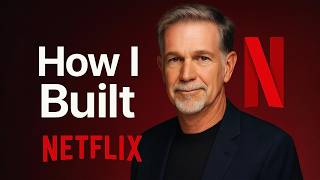 Reed Hastings on Netflix Culture: Talent, Candor, and Judgment2024 · 70 min · full transcriptAdds Hastings’s later reflections on performance, loyalty, judgment, and why process can smother innovation.
Questions people ask
- What did Reed Hastings say about loyalty vs performance?
- What did Reed Hastings say about talent density at Netflix and Pure Software?
- What did Reed Hastings say about why Netflix wrote down its culture deck?
- What did Reed Hastings say about why creative work should not be run like a factory?
- What does Reed Hastings mean by managing on the edge of chaos?
- How does Reed Hastings encourage candor at Netflix?
How this guide was made: drafted with AI from the full transcripts of the recordings cited, then checked: every quotation must match a transcript word for word and be the speaker's own words, and an independent review gates accuracy. Methodology and corrections.
