Richard Branson on Second Chances
Richard Branson sees second chances as practical, not sentimental: people leaving prison need dignity, work, education, and policies that treat addiction as a health issue so they can rebuild and contribute.
- A second chance can change a life and unlock real contribution.
- Work and dignity are central to successful reentry after prison.
- Education in prison improves both life inside and prospects outside.
- He argues drug policy should shift from punishment to health-focused reform.
Second chances matter because one mistake should not define a whole life
Branson treats second chances as a serious social and economic issue, not a soft gesture. His core view is that when people are given another opportunity after prison, they can rebuild their lives and go on to do meaningful things.
He connects that belief to his own brush with prison, saying it shaped his choices and also taught him how different life could have been without another shot. That is why he argues so strongly against writing people off after they have served their time.
Dignity and work are the foundation of reentry
For Branson, the most important practical step after prison is not simply release but a real path back into society. He stresses that people need the dignity that comes from work, because employment gives structure, self-respect, and a way to move forward.
He is especially critical of systems that release people with little support and expect them to figure everything out alone. His point is that successful reentry requires trust and opportunity, not abandonment.
Business should help by hiring and backing people with records
Branson's view of second chances is not aimed only at governments. He believes companies should be part of the answer by giving former offenders real employment opportunities, because that benefits the individual, the business, and society.
He also extends the idea beyond jobs to entrepreneurship. In his view, some people leaving prison can build businesses of their own if they are encouraged to think about how they can improve other people's lives and start small.
This fits his wider belief that success brings obligations. People and companies that have done well should use that position responsibly and create opportunity for others.
Education in prison is part of what makes a second chance real
Branson argues that prison should prepare people for life after release, and education is a big part of that. Learning skills can improve the prison experience in the present while also giving people a better shot at work later.
He goes a step further and links education to initiative. Someone who gains skills and time to think may not only find a job but may even create one by becoming an entrepreneur after release.
He ties second chances to drug-policy reform
Branson does not think second chances can be separated from the way societies handle drugs. He argues that the long-running war on drugs has not worked and has instead pushed huge numbers of people into punishment-heavy systems.
His alternative is clear: drug use should be treated primarily as a health issue rather than a criminal one. That shift matters because it reduces the habit of branding people as criminals when what they often need is treatment and support.
Where to watch
 Richard Branson on Second Chances: Why Prison Reform Matters2013 · 18 min · full transcriptHis clearest, most direct case for second chances, prison reform, dignity, work, and drug-policy change.
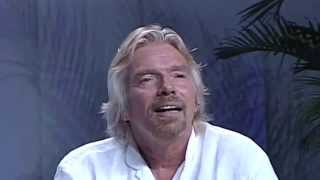 Richard Branson on Entrepreneurial Philosophy: Fun, Risk, and Purpose2013 · 44 min · full transcriptShows how second chances fit into his broader belief that business should be ethical and socially useful.
 Richard Branson on Entrepreneurship: Survive, then give back2013 · 50 min · full transcriptExplains why successful entrepreneurs and companies should give back by creating opportunity and jobs.
Questions people ask
How this guide was made: drafted with AI from the full transcripts of the recordings cited, then checked: every quotation must match a transcript word for word and be the speaker's own words, and an independent review gates accuracy. Methodology and corrections.
