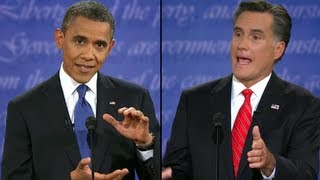
Barack Obama on Health Care Reform
Obama presents health care reform as an urgent economic and moral obligation that expands security, strengthens freedom, and cannot be postponed without higher national costs.
- Health care reform is urgent, not something government can keep delaying.
- He treats reform as economic policy as well as social policy, tied to recovery and long-term competitiveness.
- He argues that health security helps make Americans freer, not less free.
- He places reform inside a broader commitment to middle-class dignity and shared responsibility.

Health care reform is urgent because delay makes the problem worse
Obama’s basic starting point is that health care reform cannot be treated as a secondary issue to revisit later. He argues that national crises reveal deeper structural problems, and that waiting only raises the eventual price for families and the country. In his view, the central mistake is to think inaction is safer than action.12
That is why he speaks about reform in the language of immediate responsibility rather than optional ambition. He wants people to see health care as one of the big decisions that shape whether recovery is temporary or durable. The message is straightforward: postponement is itself a costly choice.123
“It must not wait, and it will not wait another year.”Address to Congress, 2009 · full transcript →
He sees health care reform as part of economic recovery and national strength
Obama does not separate health care from the larger economy. He links reform to recovery, long-term competitiveness, and the effort to build a stronger foundation for growth. For him, a country cannot secure prosperity by dealing only with short-term emergencies while leaving major cost pressures and insecurities untouched.23
This fits his broader governing argument that economic policy should strengthen ordinary families and future capacity, not just protect narrow interests. When he says policy should be about helping people, he is signaling that reform should be judged by whether it improves real security in daily life. Health care belongs in that same category of practical support for working Americans.4
For Obama, health security expands freedom rather than limiting it
Obama’s defense of health care reform rests on a larger idea of freedom. He argues that America’s promise is not fulfilled by abstract rights alone; it must be made real through institutions and commitments that let people live with dignity and genuine security. That is why he places health care alongside other protections that help people stand on firmer ground.
In this framework, programs that provide security do not weaken liberty. They make liberty more usable in real life, especially for people who are vulnerable to illness, economic shocks, or exclusion. Health care reform therefore becomes part of his broader case that a decent society protects people from avoidable ruin while preserving opportunity.7
Reform is rooted in shared responsibility and care for one another
Obama often frames politics around mutual obligation, and that moral language carries directly into health care. His view is that a healthy democracy depends on citizens recognizing that they are responsible for one another, not just for themselves. Health care reform matters because it expresses that ethic in concrete form.89
He also resists treating this as a purely partisan issue. His larger appeal is to common nationhood and shared fate, suggesting that health care should be approached as a national problem requiring cooperation rather than tribal victory. That is consistent with his repeated insistence that Americans are one people with common responsibilities.

“I am my brother's keeper, I am my sister's keeper.”Democratic National Convention keynote address, Boston, 2004 · full transcript →
He believes lasting reform requires practical politics, not cynicism
Obama’s view of health care reform includes a view of how change happens. He believes major reform requires compromise, constructive argument, and enough public confidence to push through resistance. Without that, even widely felt needs can stall in gridlock.
So his case for reform is also a case against fatalism. He argues that citizens can still shape the country’s direction, and that progress depends on rejecting the idea that division makes action impossible. In that sense, health care reform is both a policy goal and a test of whether democratic government can still solve hard problems.7
Obama on health care reform, in his own words
“It must not wait, and it will not wait another year.”
“I am my brother's keeper, I am my sister's keeper.”
Where to watch
 Barack Obama on Health Care Reform: A Call to Act Now2009 · 54 min · full transcriptHis clearest direct case for why health care reform was urgent and why delay would cost more.
 Barack Obama on Equality and Climate: Second Inaugural Address2013 · 224 min · full transcriptShows how he connects health care to equality, citizenship, and a broader idea of freedom.
 Barack Obama on Politics of Hope: Audacity in Boston2004 · 22 min · full transcriptExplains the moral foundation beneath his approach: shared obligation, dignity, and national solidarity.
 Barack Obama on State of the Union: A stronger future together2015 · 62 min · full transcriptPlaces health security inside his wider middle-class agenda for expanding opportunity.
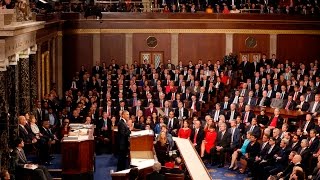 Barack Obama on the Future of America: Final State of the Union2016 · 61 min · full transcriptHelps explain his belief that major reforms succeed only when democracy can still compromise and act.
Questions people ask
- What did Barack Obama say about America's future and getting through the crisis?
- What did Barack Obama say about cynicism and division in America?
- What did Barack Obama say about democracy and why it breaks down?
- What did Barack Obama say about the future and working together?
- What did Barack Obama say gives him hope for America’s future?
- What did Barack Obama say about regulation after the financial crisis?
Sources
Every quote above, word for word from the transcripts. Numbers match the text.
“It must not wait, and it will not wait another year.”
“The cost of inaction will be far greater.”
“And if we do, if we come together and lift this nation from the depths of this crisis, if we put our people back to work and restart the engine of our prosperity, if we confront without fear the challenges of our time and summon that enduring spirit of an America that does not quit, then someday, years from now, our children can tell their children that this was the time when we performed, in the words that are carved into this very chamber, something worthy to be remembered. Thank you. God bless you, and may God bless the United States of America.”
“It's not about helping banks, it's about helping people.”
“You and I, as citizens, have the power to set this country's course…”
“I am my brother's keeper, I am my sister's keeper.”
“We have more work to do.”
How this guide was made: drafted with AI from the full transcripts of the recordings cited, then checked: every quotation must match a transcript word for word and be the speaker's own words, and an independent review gates accuracy. Methodology and corrections.