The Stanley Druckenmiller Course
Graduate able to read markets the Druckenmiller way: identify regimes, follow liquidity and market signals, size conviction, and manage risk when the world changes.
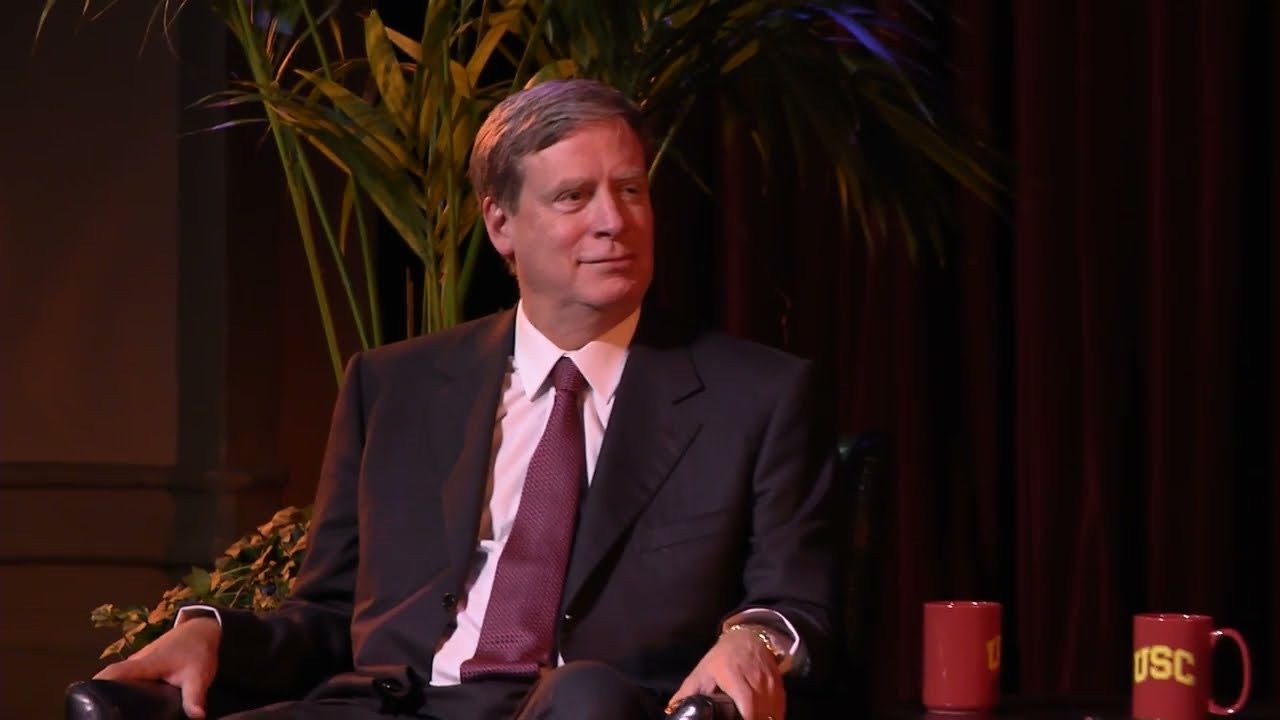
- 13 chapters
- 76 verbatim quotes
- 23 recordings

“If you love what you do, first of all, your work ethic is going to be fantastic…”How Leaders Lead interview, 2024 · 2:57
About this course
Stanley Druckenmiller is an American investor best known for founding Duquesne Capital and for his years working with George Soros at the Quantum Fund. He is widely regarded as one of the great macro investors of the modern era.
Druckenmiller's value as a teacher comes from how clearly he explains the connection between markets, policy, psychology, and risk. He is not offering a formula; he is showing how a world-class investor thinks when facts, prices, and incentives are changing.
This course is built from real recordings and answered questions. Each chapter pairs Druckenmiller's own words with a specific skill: reading signals, judging central banks, sizing positions, surviving mistakes, and thinking about long-term fiscal and social consequences.
Curriculum
- The EdgeStart with how Druckenmiller thinks before studying what he owns.
- Macro From MarketsHis macro process begins with prices, industries, and company-level evidence.
- The Fed FrameworkCentral banks shape the playing field, but can also destroy the signals.
- Sizing and ConvictionThe money is made in how much you bet when the odds are extraordinary.
- Protect Capital FirstAggressive sizing only works if losses are cut before they threaten survival.
- Soros’s Sizing LessonWhen the setup is exceptional, concentration—not diversification—is the edge.
- Inflation and BubblesEasy money can pull demand forward and leave instability behind.
- The 2000 MistakeEven a great investor can abandon discipline at the top of a bubble.
- Debt and GenerationsFor Druckenmiller, the fiscal crisis is also a moral crisis.
- Hard LandingsHe does not forecast with certainty; he weighs stress, asymmetry, and timing.
- Regime ChangeWhen policy changes, the market map changes with it.
- Innovation and AIStructural change matters when it alters productivity, winners, and market psychology.
- Character and ResponsibilityGreat investing requires self-awareness; great citizenship requires time horizon.
- GraduateFinish every chapter to earn your certificate.






has graduated from The Stanley Druckenmiller Course, completing all 13 chapters on Stanley Druckenmiller's ideas, in his own words.
- Use macro data to understand where you are, but use markets, industries, credit, liquidity, and company commentary to sense where you are going.
- The Fed matters because interest rates, QE, forward guidance, and liquidity can distort prices, incentives, and the reliability of market signals.
- Do not be contrarian for its own sake; the crowd is often right until the evidence, asymmetry, and timing justify standing apart.
- Returns are driven by sizing: when conviction is high and risk is defined, press hard; when the thesis breaks, get out.
- Risk management is not avoiding volatility; it is knowing what can hurt you, respecting liquidity, and staying flexible enough to change your mind.
- Free money and suppressed rates can create bubbles, zombie companies, leverage, malinvestment, and a painful reckoning later.