Reed Hastings on Freedom & Responsibility: Building Netflix

What Hastings talks about
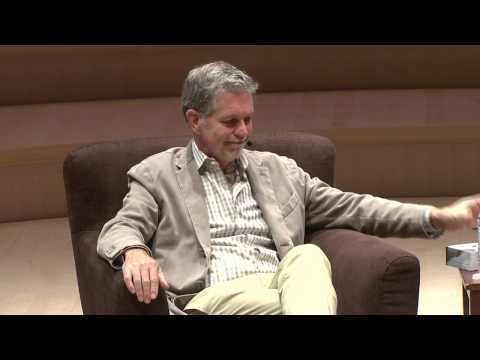
Reed Hastings took part in this Q&A at Stanford GSB in February 2014, discussing Netflix’s evolution, management philosophy, and the future of internet television.
Also known as: Netflix: Stanford GSB 2014 Entrepreneurial Company of the Year.
Reed Hastings reflects on Netflix’s evolution from DVD-by-mail to streaming to original content, arguing that each stage required new capabilities and different bets. He describes how the company moved from logistics and profitability to global expansion and then to brand-building through shows like House of Cards and Orange Is the New Black.
A major theme is management philosophy. Hastings explains freedom and responsibility, saying great people should be given context and room to act, with high performance expectations and honest feedback.
He also looks ahead to the future of TV: more internet-centric, on-demand, personalized, and less tied to traditional schedules or devices. The conversation shows how Netflix’s strategy and culture are connected to the same core idea: trust talented people and follow fundamental principles.
Garth Saloner and Jeff Yang introduce the event, then student audience members ask questions while Hastings answers throughout.
In his words
“We should organize everything around supporting that”
“Manage through setting context and letting people run”
“I take pride in making as few decisions as possible as opposed to as many as possible”
“Work/life balance is the wrong metaphor. Its really work/life integration.”
“I'm always interested in kind of core fundamental principles.”
Key points
- Netflix began with the idea that DVDs could be efficiently distributed by mail, before the internet was fast enough for streaming.
- The company’s early challenges were cash flow, logistics, and mastering the red envelope at scale.
- Netflix survived a long battle with Blockbuster and then had to reinvent itself again for streaming.
- Original content became a way to create stronger brands, not just distribute other companies’ titles.
- Hastings says freedom and responsibility means giving talented people context, not micromanaging them.
- He pairs that with a high-performance culture: adequate performance gets a generous severance package.
- He expects TV to become more internet-centric, personalized, and on-demand across devices.
Full transcript: Reed Hastings, Stanford GSB Entrepreneurial Company of the Year Q&A (2014)
(music) Good evening everyone and welcome. I'm Garth Saloner. I'm the dean of the Graduate School of Business. On behalf of the GSB I'd like to welcome you all to this event this evening. This is the 37th Annual Encore Award Dinner. Each year the award is given to the entrepreneurial company of the year which demonstrates the spurt innovation and culture of the companies that have been springing up in Silicon Valley since the late 1970s. I'm delighted to congratulate Netflix and CEO Reed Hastings who's MS 88 on being the recipient of the award this evening.
Please join me in giving him a round of applause. [APPLAUSE]. I'd like to give a special thanks to the encore selection committee for their work in selecting this year's winner. I'd also like to thank all of the sponsors for tonight's event. In addition to welcoming many of our GSB alumni here this evening we have a number of engineering school alums and I welcome you to this event as well. Entrepreneurship is thriving at Stanford University and including of course the Graduate School of Business. While we don't have final numbers for the current years class in the class the year before, almost one in five of our graduates started their own company straight out of business school.
So that's for those of you who know what these trends look like a big increase from, from prior years and, and very much a, an upward trend over time. In addition to that another, about quarter of the class took jobs in the technology sector. So if you put those together and then you add, finance jobs in, in tech, it's almost 50 or 60% of the class, going into technology at the moment. We have not seen, numbers like that since 1999. [LAUGH] And I'm just saying you know, make of that what you will.
We continue to innovate ourselves in, in entrepreneurship and I'd like to share with you just a couple of examples of, of things we've done recently to be entrepreneurial ourselves on the global front. Last week we launched a, a section of our course which is called start-up garage. and, what differentiated the course this year is we offered it, in a classroom that we have in the night management center which is a highly immersive classroom. Half of the classroom is here on the Stanford campus. The other half of the classroom, which you see through a screen in front of you is in Beijing. And, and the class was taught as a, as a combined class of Stanford students and students from Peking University who were combining in multidisciplinary fashion around start up ideas across, across two different continents.
So that's I think, a sign of the times. The other example I would give you is a, is a program we call Stanford Ignite. Stanford Ignite started as a program we used to call the Summer Internship for Entrepreneurship for those of you who remember SIE. That was a program that we offered at the Business School for Graduate students at Stanford who were not in the business school. The idea being if you have something great in the lab, it, it might be a good idea to get a little bit of the management on the way out and we've now taken that program globally. And again that's a program we're able to, to offer globallour faculty out in most instances from the ny because we [UNKNOWN] ight management center into wherever they are and we started a program last week again in, in Beijing.
We've had a program going for about a month in Santiago, Chile. We've been in Bangalore, India for several years. We've been in Paris for a few years. We we will go to Sao Paulo and New York City next year. And so that's another example of how we're, we're able to increase our region in entrepreneurship thanks to thanks to the educational technology. In all of these activities whether they are here or abroad we we rely on the ecosystem that we're, we're a part of. People come into our classes they, they mentor students, they they help advise students in a, in a variety of ways. They're guest speakers, we write cases on them so, we couldn't do what we, what we do without this ecosystem that we're part of.
And so I wanted to thank all of you for whatever you do to, to help us in those endeavors. So, thank you very much. And with that, it's my, it's my great pleasure to invite up Jeff Yang co founder and partner at, at Red Point Ventures. Jeff is a, is an MBA from our class of 85 and the Chairman of the Encore Award Selection Committee. Please join me in in welcoming Jeff to the stand. [APPLAUSE]. >> Thank you everybody. And on behalf of the Encore Selection Committee, well wanna welcome you to the tonight's award night. So a question might come up, why would you pick a 17-year-old company to win the entrepreneur of the year award.
Well, the answer's easy. The name of the award is the Entrepreneurial Company of the Year, not the youngest public company of the year. And as you'll hear later, Netflix we think, is, is one of the most amazing companies cuz it's gone through so many different iterations to get to where it is now. And I can't imagine that even someone as visionary as Reed Hastings could ever have imagined running in a, an Emmy-award winning content company when he first started Netflix in 1997. And that's really why we chose Netflix. Netflix has gone through many iterations to to where it's gotten now to where it is now. And we chose them for their constant reinvention and entrepreneurial spirit. We believe that a company can be entrepreneurial regardless of its age since inception.
And we think Netflix is the prime example of that. So without further ado, I'm going to run a short reel telling you a little about Netflix, get you all excited, and then we'll bring up its founder, Reed Hastings. [NOISE]. >> Who doesn't love a great story, from heartwarming. >> Did you think I'd forgotten you? >> To bone chilling. From don't tell me what happens, to I can't wait for what happens next. From that first big moment, to just one more, to just one more, to just, one, more.
(music) We create great stories for pure, uninterrupted enjoyment. (music) >> So that the way we watch will never be the same. >> That's what I'm talking about. (music) This is story telling as it was meant to be. (music) >> Hey Reed if you, need an agent Frank Underwood for next season I'm available. I'd like to bring up Reed Hastings who is the founder of Netflix.
He founded Netflix in 1997. But if you go way back to when Reed received his BA from Boden, he spent a couple of years [INAUDIBLE] serving in the Peace Corps as a high school math teacher before coming to Stanford to receive a masters in AI. After that he went to go work in the AI lab at Schlumberger. Spent a couple of years at a failed startup in the AI space called Coherent Thought before moving for a very short time to another early stage company called Adaptive and then ultimately started his first company, Pure Software in 1991. Took it public in 1995. And and then finally it was acquired in 1997 by Rational Software. That was the year Reed founded Netflix. One of the things that you, you might think, is that, wow, that's a, a classic example of a serial entrepreneur.
But I really think of a serial entrepreneur is somebody who starts a company, leaves, starts another company, and then leaves. Reed is really kind of the serial founder and if Pure hadn't been sold he might well still be founder there. But for the last 17 years he has been founder and CEO of Netflix, please join me in welcoming Reed Hastings. [APPLAUSE] [SOUND]. >> Reed brought, brought his tissue box in case his starts- >> Starts tearing up [CROSSTALK]. >> Yeah. So let, let me first start by asking you, you know, how, how does it feel to be here? You have some familiarity with the award. >> It, it is extraordinary because I was gonna give the dean a hard time because when I was a computer science graduate student here, I tried so hard to cross-list [COUGH] in the business school to do the entrepreneurial course, and was turned down.
so, it is, it's very sweet to be here tonight. >> My guess is if you apply again you'll get in. >> Yeah, I'll try, we'll see. We'll see. And then, when I started Pure in 91, the, then, venture capitalist Andy Radcliff took me to this event, and I remember so amazing. And over at the Menlo Circus Club and I was a engineer in a t-shirt with a new product and and here was, you know the Stanford Business School, the warden Filipe Khan had won that year. And did an amazing presentation and is you know full of life and it was just incredible. And so when I heard that Netflix had got it this year it was very, very touching. >> Well, we, your, it's, it's very well-deserved.
Maybe you can spend a couple minutes talking about Netflix and you, you know, most people many entrepreneurs start with, in one area and one discipline and kind of linearly progress to the other. I mean you started a, a design tools company and then an entertainment company. Talk a little bit about where the lines fit or don't fit and what was your thinking when you first started the company? >> well, the first company, Pure Software, was a unit software tools company and it got acquired and then you got a long waiting period regulatory period. And so, my co founder Marc Randolph and I were kicking around you know, various ideas on what to do. One of them was rental.
And a third friend of ours told us about DVD. And I remember thinking back a DVD is very lightweight and it's five gigabytes of digital data. And I remember going back to the original networking classes that I'd taken in CS and realizing that, you know, five gigabytes mailing could be a very efficient digital distribution network. And so from the very beginning we always thought about it as you know, waiting to complete the last leg. That we had the web interface and building up a subscriber base on DVD. And then eventually the Internet would be fast enough to be able to not be dependent on the post office but be dependent, you know, instead on the Internet. So, it was there right from the beginning which is I joke that that's why we named it Netflix and not dvdbymail.com.
And and there are real companies in the world called like dvdposts.com. They will have a harder time moving into streaming. >> [LAUGH] So you started the company in 97 in Scotts Valley with people stuffing DVDs in envelopes. And now you're streaming videos on a worldwide basis. Talk a little bit about, you know, the challenges, the different stages between, between then and now and some of the challenges you've faced along the way. >> Well the first big challenge was getting the profitability and stop consuming cash. And DVD rental's very cash consumptive cuz you have to market or acquire customers that pay back over time and you have to buy DVDs, which then pay back over time, and so it's very cash intensive. And we underestimated you know, having been software marketing people that the logistic challenges and it took us you know, years of working on the red envelope that you now see.
Went through, you know, 50 different variations of the red envelope and, and scale testing and we learned more about polycarbonates under stress than you ever wanna learn. And, you know, it was really understanding, you know, the shipping a disc of plastic for a long time. It took us five years till 2002 to break even. And the, about cash flow will break even also. So that was the first big milestone. We went public that year. Same week there was a little brief window. Us and PayPal and Overstock all went public in one week. >> At what price? >> The window was closed. 7.50 in today's terms. We're now about 450. 7.50 versus 450.00. >> [LAUGH]. >> [LAUGH].
>> Good distinction. >> And yeah, just to be clear so then that, that was the first stage second stage Blockbuster realized after we went public that we were gonna be a real threat. And they geared up an effort. They launched in 2004 and from 2004 to 2007 we had a very fun, scary epic battle with Blockbuster. They had a huge advantage, they were you know 15 or 20 times larger than us. But we had the advantage that we had started it. And really if they had started two years earlier they probably would have won. You know, in perfect hindsight. Because they would have just or in those messy execution they would have overwhelmed us. And the other thing is when Viacom spun them out, it saddled them with a billion dollars in debt with a lot of tough covenants. >> Mm-hm. >> And if they had instead given them a billion in cash, they might have had enough power.
So, you know, it's a miraculous that we lived. But then, you know, we beat Blockbuster. And they ultimately went bankrupt, because video store economics. You can imagine a single unit store on half the volume you get you know, negative profit so. >> It doesn't work very well, that's why that industry collapsed. No sooner had we finished that great victorious battle, that we were the winners and DVD and wasn't this going to be great. When YouTube was born and streaming started actively. So we launched our first streaming product in 2007, but it wasn't very interesting. Didn't have much content, it was only on Windows PCs, it was very small scale. And then we just kept working at it. And we finally got the Starz deal, which was a epic deal to be able to carry. All the, the Starz movies.
>> Hm-mm. >> And got the Xbox deal to get on the TV, that was in 2008 and then the thing really started taking off. And then we finished, finished, but we got ahead in streaming and we were still a domestic business. Now this was 2010, so we've been 13 years just in the US to get to streaming. But now with streaming, you know, we could expand internationally without having to deal with, you know, British post and Canada post and, you know, French post. So we started that expansion very actively in the last four years which is going from a domestic company to global and it's hard. Right. You've got a lot of things that you didn't realize that are very locked into domestic after 13 years. And then the expansion into new and original content, which is like other, other cable networks. So if you look at FX, if you look at HBO, AMC.
They all start on other people's license content and then try their hand at producing original content. And so that's been obviously a huge success for us. So the, the big hard challenges over the next five and ten years are getting more global and getting more into original content. So we're working on both of those. >> Is it hard to convince the original on your first studio deals? How hard was it to convince them that, you know, streaming was going to be okay and that their rights would be protected? And that there was an economic model for them, cuz you really changed the way they think about their business, right? >> Yeah. The very early deals were with minimum guarantees to them that killed us, but, you know, we just had to pay it. But then we were able to grow out of that.
And of course, they had seen the movie and television business had seen the music business. So they knew keeping the head in the sand was not the right approach. They, they built their own pay-per-view service, an iTunes competitor called Movie Link and they started that in 2001, way before there was a market. And so, you know, that media group, movies and TVs did not want to be like the brothers in the music business. So there was a lot of motivation to experiment and, and then we became another bidder, where we bid against HBO. And so the artists do better, because it's raising the price. The con, content owners do better because we're another bidder. >> They probably at, at first thought that you were the the devil and now you're, you're the knight in shining armor with the big checkbook.
>> And they still think we're the, they always want more, you know, it's a normal supplier relationship. And now, you know, with originals were sort of going around them to developing brands on our own. And the big difference with original content it's still a third party that's actually on set and on location. And we're not on set that much but we do the brand creation when it launches. So you have to take something like Orange Is the New Black, which is unknown or Marco Polo that we have coming out in December and it's an unknown series and then make it really big and give it. So the big change is us launching, creating global brands. >> Mm-hm. >> And then it's a mix of the talent, you know, the history, the storyline, all that. >> So how did you decide to, to get into content?
You know, up to this point you're really primarily a distribution company. Is it a hard leap to go on a content and, and how did you convince your board that it was the right idea? >> Yeah one of our long term executives been with us since 2000, Ted Sarandos really gets all the credit for it. He's the one who talked the rest of us that here's what cable networks do and look at this, and how they grow into originals. And back in 2010 is when we launched our commission, the first one, House of Cards, which is even before the whole quick start incident. And so, it definitely helped us. >> Mm-hm. >> but, they're, they're long legs so it was, you know, four years ago when we had to make the decision on, on House of Cards. >> All right. And your success rate's quite high. I mean, you've had 31 nominations 7 Emmy's.
And last year alone, you had 14 nominations and 3 Emmy's. I mean, by any metric a very high hit rate, you know? What's your secret and, and what are you gonna do when you've gotta flop? >> I am, you know, look, if we don't push hard enough, you know? We should, we need to have a flop every now and then. You know, it's somewhat the advantage of being on a demand creation platform. And so Hemlock Row, we just commissioned season three. Lilyhammer, we did season three. So we've never had a cancelled series in our history. You know, we've ended some in season three as opposed to carrying it for, for, you know, five or ten seasons. But it wraps up nicely in the storyline. The, you know, consumers are not left hanging of you know, like Jericho or Firefly or these things.
>> Mm-hm. >> So we're really excited by that track record. But a lot of the advantage is because we're online and, you know, its just much more flexible as all of you know that are members. Cuz you can choose to watch when and how you want. >> And how did you decide to go into content? I mean, what, what, what was the, what would you, what did you hope to achieve by going in? >> It's a moving of the brand when you're not doing original content, you're, you're just iTunes. I mean, you carry other people's content and you don't even have a full selection. And, you know, it's a commodity relationship. You know, you subscribe to Netflix if it's the lowest, cheapest price. And then when you develop a new brand like Orange is the New Black, then people talk about it. The brand's closely associated.
They join, because of the show. It's a much stronger and you've created that brand. So you, you own the brand equity in that. So it's it's a much stronger relationship with key content. And then, you know, next year, we have an amazing new set of shows in addition to additional seasons that our current show is coming out. So it just builds on itself. >> Hm. That's great. Did you, did you, were there any success models you were looking at in terms of developing content? And, and how do you decide which, how many pieces of content to develop and what is a good brand? >> [COUGH] Ted's team analyzes lots of data and then at the day has to make a gut call based upon the team that's together on it, how they think about it, does he have a good feeling about it?
But ultimately, it's a, it's a gut call. >> Mm-hm. >> And then we're able to use differential information to successfully promote that series to the right people, because almost no series is good for everybody. So we've got tremendous leverage in creating consumption and enjoyment of content. But in the upfront commissioning process it's, you know, not hugely different from the kind of people that do it at, at HBO and FX. >> Mm-hm. >> We tend, we tend to trust the artists more. We tend to work by the freedom and responsibility model more and they like that. But so for the artist point of view, we've got a great reputation. >> Hm. So before we go back and, and, and talk a little bit more about a little bit about management style, you know stay on the content for a second.
You, you kind of created this concept of binge viewing that, that seemingly has, has altered people's the way people consume content. >> Yeah. >> Can you talk a little bit more about that? What do you, how did you decide, did you plan for that? And, and how do you exploit that and? >> No, really binge viewing, we counter-planned on it, because we tried to kill the term. because, you know, binge is associated with, you know, negative things really. And we thought this wasn't good. And what we didn't realize is that the term would come to be gentler interpreted and the fact that it was a little bit aggressive [UNKNOWN], you know, catch fire. But in the first real binge viewing was DVD. TV sets on DVD and people would get Sopranos and The Wire and Mad Men on DVD and watched ten episodes.
So that we felt the behavior just on DVD shipments going to TV series. And then when you brought that online, it really accelerated it. And, you know, when you think about it when you buy a book, you know, ten or fifteen chapters in a book. Then it's not remarkable that you're allowed to read three chapters one night, one the next night and five chapters the next night. >> Yeah. >> You know, that basic thing of human control of watching on your schedule, instead of on the programmer schedule. In hind sight, it's pretty basic. So linear TV as we know it will be as much as a relic in 20 years as the fixed line telephone, you know, like some of your parents will still have one. But, you know, most people it, you know, it's, it's pretty irrelevant for. >> Right. So, so let's, let's talk a little bit about management style and philosophy.
And, you know, yours is seemingly has changed and evolved over the years, you know? If you don't mind, talk a little bit about that. You know, you spec especially talk about your concept of freedom of responsibility. >> Yeah, up until 2002, all we focused on was survival. And then once we got public and, and we're profitable we started thinking, wow, this thing might last. And the, the cruelest irony would be to not want to work there. You know to let it become a place we didn't want to be. And so we tried to think through what do we really care about? We realized what we really care about is working with incredible people on hard problems and that, that was the essence. So we should organize everything around supporting that of working with, you know, just incredibly talented people. And so that led us to freedom and responsibility, because incredible people don't wanna be micro managed.
And the idea is that manage through setting context and letting people run. >> Mm-hm. >> You've gotta have the right people, you gotta reinforce that with values set a context about what the company is trying to achieve. But the idea to build a system where amazing amounts of service improvement happened In the marketing, in the content, in the technology in the user interface without direct intervention of me. And so some companies operate by, you know, the product genius at the top and we all know, these companies and this whole motif of, you know, to be a great CEO, you've gotta be the great product person who really, you know, and it's intoxicating and fun. But you're building incredible amounts of dependence on yourself. And eventually, you know, how will I know how Turkish consumers consume Netflix?
It's not that well. >> Mm-hm. >> And so you're much stronger, obviously building a distributed set of great thinkers. People know that, but in the past what they've done is try to make everything a process. They said, okay. I don't want it to be a genius, so we're gonna organize a process for everything. And just once in awhile, you heard we're gonna dummy proof it, it's gonna be such a good process that anybody, that was the idea [UNKNOWN]. And then if you dummy proof the process, you only get dummies to work there, you know, to do the process. And so that's why we're so, you know, opposed to that. Instead so focused on giving people great freedom, realizing there'll be mistakes. But there'll be a lot of positive achievement too. >> So, can you give some examples of that? I mean, you know, you talk about it generically and it sounds great, but what are some specific examples? >> Yeah. So I, I, I take pride in making as few decisions as possible as opposed to as many as possible.
And so when something significant changes in the content or the House of Cards purchase, you know, Ted explained it. It was a huge purchase at that time. It was a half an hour conversation, you know, we went back and forth. I said, are you really sure it's a great bet? Yes. Let's do it. You know, it wasn't like me reading the script and me meeting with Kevin Spacey, and you know? >> Mm-hm. >> or, equivalent examples on the marketing or equivalent examples on the product in the evolution there. So it, it's creating a sense of I, I wanna make a difference and I can make a difference. And if that's what the leader gets excited about is that other people are making a difference and you've got the right people. You gotta be super demanding, so the, you know, one part is freedom and responsibility. The other part is a high performance culture.
Where we say adequate performance, gets a generous severance package. And so, you know, we look at it we wanna be like a Major League Baseball team and, you know, you've only got so many positions in the field. And if everyone is not incredible at what they do, then you're not gonna win. >> So you turn over a lot of people. >> And so we turn over a lot of people. We feel like, you know, we, we give people a fair shot and, you know, we, we hire pretty openly. And they know what they're getting into. But we're looking for people who, for whom freedom and responsibility works, cuz they do incredible work. Hm. So if you don't make that many decisions is would be okay if they the board paid you on a number of decisions made basis? >> Yes. [LAUGH]. >> So the, now, now that you're, you're a global you know, you're scaling on a, on a global basis and you're, you're moving into content that's did.
Does your management philosophy change going forward? I mean, is there, is there new thought that you've had? >> No, there's little issues, like we have thing about no vacation policy and, you know, we don't care whether you work eight hours or fourteen hours a day, we care what you get done. And we love someone who's working five hours a day and gets done a ton. But this runs afoul [COUGH] like a French law and cultural expectations. So if you've got employees in France, like what do you mean there's no vacation? You know, it's illegal. And so yeah, we're, you know, we're having to make some adjustments to European sensibilities so there's some things. >> So, so let's, let's talk, let's look a little bit into the future now and talk a little bit about, you know? Describe to, to us, if you will, what type of work you're doing to moderni, to envision and then moderize the, modernize the TV viewing experience.
What is it gonna look like, you know, ten or twenty years to, to this concept of watching TV? >> Well, it's evolving rapidly to be, it'll all be internet centric. So obviously, movies and TV shows will be purely on demand. News is 24 hours, happens all the time. You know that'll be on demand. And then sports is one of the most interesting. We won't do sports, but other people will. And then, you know, there's the whole what team are you rooting for. There's the, all the microsports. There's so much that will be on internet delivery done on a very personalized basis of the sport, even though it's, you know, the game is on at 4 p.m. And everybody is watching at the same time. The experience people get can be enhanced a lot through personalization. So I think they'll be a lot of, you know, great worked on the, the internet for sports.
Obviously, there's watch ESPN and, you know, something you wanna carry it anywhere. That's the first step. >> Right. >> And do you think people will be watching on TVs or do you think they'll be watching on tablets or PCs or phones? >> Who cares? >> Do you think they'll be watching in groups or alone? >> I mean, you know, I, again if it's an Android Tv or an Android tablet, you know. So think of the future TV as just a very large iPad, you know? It'll be, you know, two meters big and it will cost $1000. I mean, it's gonna be, you know, the, the cost of the semiconductors in screens is getting less and less. And so it'll, you know, it, it, it, there's not gonna be a TV market separate from the phone market and tablet market and laptop market. You know, they'll have similar operating systems similar interaction patterns.
You know, a lot of the time, you'll use your mobile phone as the remote control for life. You know, your mobile phone will be how you open your car. It'll be, you know, how you control temperatures in your house. Many of you are doing this already. But these will be very mainstream things in 10 or 20 years and it'll be how you choose content. You know, you'll choose and then just flick it to the big screen but in a lot of ways. So you, you won't care this screen size per se, anymore than you care about, you know, a 5 inch iPhone is different from a 4 inch or- >> Mm-hm. So let's talk about the nature of content. So one of the things you said is you think a lot of the content will be consumed on a on demand, on demand basis. So what does that mean for, how do you think things evolve from an ad supported model to a subscription model and talk a little more about that?
>> Yeah. I mean, we're like HBO in that we're no-ads, there'll be other people that are more like AMC or FX that have ads. so, you know, there's a mix of different business models and preferences and everyone will segment a little bit. so, you know, YouTube, Hulu, et cetera will do the, the ad supported part. But, you know, the main thing is that, you, whether it's ad supported or on us, it's not a programmer choosing, you know, you can watch this show Thursday at 7 o'clock. >> Mm-hm. >> That model, you know, is, is going away for movies and TV shows. >> How about the, how about the cost of content development? You know, in some sense, it's kind of the golden age for scripted television, but the, but the price tags are, are becoming enormous. I mean, I heard today that Gotham was $15 million to do the pilot or, or A Game of Thrones is like $12 million an episode.
I mean, where, where do you think that slows down and, and is it, will it continue and how do you think about it as you green light new, new series? >> Roughly, what was Ava, what your sense of Avatar's budget? >> 600 million. >> Okay. So by two hours. >> Yeah. >> So we're, there's so much room to go in TV. >> Yeah. [LAUGH] Okay. So, you know, when, you know, the entertainment business is a business of spectacle. And the budget to answer your questions, will, in TV it will go up and up and up. Because there's global distribution, there's bigger prize. There's a bigger, you know, there's only so many brands, some one in Switzerland is gonna get to watch. And to think about, I know about that, you know, show brand and I want to see it.
And if you want to be one of those, then you know, having enormity of talent of the set, you know, the, the level of quality that goes in to House of Cards or Game of Thrones. You know, just continue to rise. >> Hm. And how do you think about Over the Top? Are you, do you think about it as something separate or do you, it, it, does it factor into how Netflix thinks about, you know how it delivers its experience or what kind of content it delivers? >> Yeah, we just think about it as internet. You know, so if you're a current TV guy, you like to feel like you've got a fortress and then these bastards are coming over the top of the wall. but, you know, for us, it's just creating a great experience on an internet connected screen. Whether that's a phone, a tablet, a laptop, you know, or a, a television screen.
>> so, as you look into the future, who, who do you consider are your, your friends? And who are the people who are maybe less then friends? >> Well let's see the interesting part is less then friends. So we have supplier type battles with ISPs Comcast, et cetera. Because they say, we should help pay for the network and we say, well why don't you pay for our content? And then like that and so they're used to getting paid and we don't want to pay. So, you know, it's a classic supplier relationship dynamic. Then with c, other distributors like FX or HBO we compete. But we like each other a lot and then like, I subscribe to HBO, cuz I like watching VEEP. And so what we realized is if they have great shows, people with subscribe to both.
And really we don't compete against each other so much, we all compete for entertainment time. So, think what you do on a Wednesday night. You go home and, you know, what do you do to relax? You know, you can drink a bottle of wine or you could watch Netflix or you could watch a DVD or you could watch something on iTunes or watch something on cable or watch something on Hulu or play a board game. You know, or like a hundred other things. So all of that is entertainment time. We compete for some little bit of that. Enough to justify, you know, 9 bucks a month. So we don't notice it when competitors do something and the reason is we don't notice it in terms of our growth, because we're all competing for this huge pool of entertainment time and a huge pool of disposable income.
There's no separate market for the share of internet delivered video compared to cable. I mean, the customer doesn't care. They're looking relaxation, entertainment and video gaming. I mean, we compete actively, you know, with that in the loose sense of a substitution for unwind time and or in that case, freedom from boredom. >> Does that mean that maybe you go into other media types? >> We just, so far movies and TV shows, which is a lean back, enjo, get wrapped up in the story experience has been our sweet spot. And when we think about expanding beyond it, we're like, wow, movies and TV shows is so big. I mean, on a global basis, there should be, you know, a couple billion people who are interested in that and we're only at 50 million. And we have a fraction of all shows and, and movies.
So we're much better off just staying in what we do and making it much much bigger. And getting to many more shows, many members around the world. And if we're only the movie and TV show brand in 20 years and we're not the sports brand, we're not something else, that's still on a global basis, that's a phenomenally large market. >> Would you ever get into sports? >> I don't think so. Too expensive, too hard no differential confidence. >> Mm-hm. Okay. who, as you look at the, the, the future and you, the, do you think that, that what, what are, are, are the, is, is the cable bundle gonna continue or do you see increasing disaggregation the way you're starting to see it, you know, happening now?
>> The likely case is that it's mostly stays aggregated and drifts. It's about a 100 million in the US, it's been a 100 million for the last three years. And then it goes, you know, 98 and a half, 97, you know? [COUGH] Ticks down, if you think of broadcast like ABC. They've gone down 2 or 3% points every year for 30 years and they've managed the cost and it's still a great business economically. It's less impactful on society, but it's a great business. So think of that as the likely case as more and more young people in particular live an internet life. >> Right. So on a personal basis who do you, you know, there are a lot of people who look up to you and everybody says well, we're the Netflix of x, the Netflix of y, and who do you look up to? I mean, as you were kind of coming up, who were your person heroes?
>> Well, interestingly, in the you mentioned in the startup Cohera [UNKNOWN] that I worked at when I was 28. And I worked so hard as an engineer writing code, you know, there every night all night kind of thing. How hard can you push? You know, I would build up over time on my desk this kind of gross set of coffee cups. And then you know, now and then, the janitor would clean them all. And I learned that if I just waited long enough, I didn't have to clean them, you know, the janitor would do that. [LAUGH] And one morning, I came in really early to work, you know, five in the morning and I walk into the bathroom and there are all my cups being cleaned and I looked up and it was our CEO. Barry Clothman was cleaning them. And so, you know, it's early in the morning. I'm like, I'm trying to understand the situation, cuz I see him there scrubbing away.
[LAUGH] So finally, I just asked him, I was like Barry, what are you doing? And he goes, I'm cleaning a cup. And I was like, have you been doing it the whole years? Yeah. And I'm like and you never said anything? No. Why? And he said, well you work so hard and this is the only thing I can do for you. >> Wow. >> And I just thought, wow, I will follow this guy to the end of the earth and that is exactly where he lead us. [LAUGH] So what happened is he was an incredibly charismatic guy that didn't have a good market product fit vision. And we built an incredibly elaborate product and we ultimately sold one copy of it to one customer and they never installed it. So, you know, it's like, it's a funny thing about leadership. You can be very personally compelling and high integrity, that's great.
But you also gotta lead people in the right direction. Not into the box canyon. >> That's great. I'm gonna take questions from the audience in, in a few minutes, so please please think of some. So what advice do you have for young CEOs? Just generally speaking about you started many companies? Just generally speaking, you know, what advice would you have? And then in particular, talk a little bit about building culture and values and when is the best time to articulate it. >> I would say, memorize the first 86 pages of Jim Collins's first big book, Beyond Entrepreneurship. Someone gave it to me in 94 and I've read it every year since. And the first 86 pages are absolutely incredible.
And so that would be their, their very practical life. >> Well, and, and then talk a little bit about building culture and values. >> Yeah, I think everyone tries to build culture and values at first, you know? You have to stage it with a company to the degree that you are 20 people and you've got no revenue. It's sort of a very implicit culture and, you know, you spend time on, you know, things that could kill you. Like, you know, product to market fit and that's appropriate. And then, you know, later if you're going to last, then you say, okay. How do we, you know, make sure that as new people come in the culture gets better. And one of the big things is probably this idea that you get better as you get bigger. So everyone implicitly has the idea that, you know, you start sucking as you get bigger more political, harder to get stuff done. And you have to actively fight acceptance of that to come up with very concrete examples where, like Netflix is significantly bettering culture than three to five years ago.
And then ten years ago and 15. And why is, cuz we got more brains thinking about the problem. This is where Malthus really went wrong. So of course, Malthus, in the late 1700s said, everyone's gonna starve, cuz you look at all the people growth and you look at the fixed agriculture. And he didn't realize that, you know, basically as the people grew, the ideas to improve agriculture would also improve. And so we've had a massive explosion in agricultural productivity and the ability to feed 7 billion people, which he would be shocked by. >> Right. >> And it's the same thing in company culture, which is if you have more, you know, a thousand really thoughtful people, thinking about how to improve, you make more progress than if you've got a hundred. And so we're actually getting better as we get bigger. But it's constantly changing the frame of reference, that's really what the leader does.
You know, that this is possible and that in fact, we should aspire to it and, and make it happen. >> That's great. I don't know if there's a microphone or going around, but let me ask you one last question, which is if, if you are, we know you're going to be at Netflix for a lot longer. But if you were starting a new company, what area would you look at, right now? >> Well, that's interesting. Well you know, if I were starting a new company I'd probably try something in bio. Because it's a totally different area and it's, you know, there's, you know, the genetic revolution, you know, for the next, you know, hundred years. Thinking, you know, will be incredible. And sometime in that time period, you know, there'll be various kinds of post-human life forms.
And, you know, we humans are very ego and, and species-centric. But, you know, it may turn out that what gets done and, and the races between, you know, alternative life and augmented humanity. And then when we could manipulate genetics, so that you never get a cold, you know? It's gonna be an incredible world. So there's, there's so much going on in, in that world. But, you know, I would say a, anything that people are passionate about. Because then each area, it's just real exciting when you get into it. >> Mm-hm. Well, thank you. I, Reid's graciously offered to take some questions, so please. Yeah, sir. >> Yes, I'd to ask [INAUDIBLE].
[BLANK_AUDIO] >> Well, any business can be disrupted. If you look at Kodak, you know, it was film images for a 100 years and then came the digital revolution and, and knocked them off. And so you can be, you know, Kodak think of this, such a shame because you've got a brand there that represents, you know, family and memories and the warmth of that imagery up till 20 years ago it's been nominal. So when we think about, you know, what's our Kodak moment. So there's one threat, which is streaming goes away, because there's some subatomic innovation. Suddenly, you've got all content in the, you know, and no one does the internet anymore. Its a post-internet world. That seems not in the next 50 or 100 years. Then the more material threat is, is that movies and TV shows become passe in society.
Kind of like novels are today, you know, you read one a year, it's a very small business, you know, and then things like, Oculus and, you know, other scenarios are incredibly exciting and the culture's just moved on from what our specialty is of delivering our emotional [UNKNOWN]. So that's the one that could happen over ten or twenty years. But on the other hand, if we look at the movie and TV show market, you know, it's been a hundred year run and its done very well despite the rise of video gaming over the last 20 years. It hasn't shrunk. So it seems to have real legs of human story telling like that, you know, around the fire time and it's the modern replacement for that. So those would be the, the two big ones that we keep an eye on. [NOISE] Thank you.
Thank you for the, the wonderful talk. The question I have is, is from about five years ago when Netflix was moving from the DVD delivery model into the internet, based streaming model. [NOISE] Came up with, two plan, scheme where you had, 899 for the internet and DVD and 799. >> Extra episode. >> Exactly. Yeah. >> Just view to the point. [NOISE]. >> [LAUGH]. >> [COUGH]. >> [CROSSTALK] I was one of the shareholders. I lost- Yeah. A lot of value during that time. Want to understand what was happening. And I know >> Yeah. >> Netflix got a lot of backlash at that time. >> Yeah. It did. And deservedly so in hindsight. But we were so obsessed with not being Kodak. You know? With not being AOL. With not being the company that, you know, clung to the last dollar from its roots that they missed the big thing.
And so, we said, you know? We looked at, I mean, even Blockbuster was run by very sharp people. And so, you know, very smart managers stick to the current models too much. And we said, look, if, if there's a bias, we have to be more aggressive than we're comfortable. Cuz smart people, which they had been, make this mistake. So we would have a phrase that we have to be so aggressive it makes our skin crawl. And so then when the idea of splitting came up, it made our skin crawl. >> [LAUGH] >> But we said well, that's what we had to be preparing for. You know? We're the company that's gonna be hyper aggressive. And in a perfect hindsight the main thing we did wrong is not grandfathering the pricing. So if we had grandfathered so it wasn't an effective price increase, it, it would've been fine. But we missed that. We didn't do that. And so there was a huge uproar because we took 20 million US households in the middle of the 2008 reception, recession, and gave them a 60% price increase.
So then the mob effect and crowd effect kicked in. And we, and we went from loved to hated very quickly. And so, you know? In hindsight, it's kind of obvious. Look. Should I give 20 million people in the middle of a recession a 60% price increase. You know? No. >> [LAUGH] >> [COUGH] But, you know? We were blinded by this desire to not get trapped with DVD. So, we got through it barely but,. And, of course, now DVD is pretty separate. DVD's about 6 million members, and they love the service. And it's got great selection. DVD's got some real advantages. And then now we've got 35 million US on streaming and about 15 million international. >> That's great. yeah. >> Reed. One of my friends visiting from Beijing, China, says that House of Cards is, is wildly popular in the capital there.
And, China's becoming the second largest movie market in the world. Could you talk a little about your, China strategy? >> We're not sure, you know, if Netflix will be able to be successful in China. We're trying to study the issue. The interesting one is House of Cards. Which hopefully many of you have seen. And it's got a Chinese storyline so you think, oh, it doesn't make them look that good. And so why's it so successful? It's because in China, this is seen as a documentary. >> [LAUGH] >> And they think that our guys kill people and, and become president. Because that's their reality. >> [LAUGH]. >> And so, you know? It, the thing you see in Chinese people about watching House of Cards is, yeah, you're no better.
You see your people rise, and they think it's all true. So, you know? You get to see what you want in, in different shows. So we have a lot to learn to really understand, China. That shows. >> Yeah, please. >> Well, congratulations on your award. I'm representing an organization called Stanford Women on Boards, which is, as the name says, women, across the university who are on for-profit and, and, not-for-profit boards. You've certainly had great success with gender diversity. And what advice would you give both to the women who are on boards seeking other boards or organizations who are looking for great candidates for boards? >> Yeah. It's a super tough issue both on race and gender.
Because the people that get recruited for boards are people you're really comfortable with. And depending on your, social circle and others, then you don't have as many African American or Hispanic or women executive roles. And getting the references is really hard. You know,I've been [COUGH] really. I, I think I started you know, twenty years ago as a classic Silicon Valley. It's a meritocracy. It'll change. And I realize now that we need to make, you know, really active efforts on building the connection that works. Both in that case for, for in your case, for female executives but, you know? It's broader, obviously, than just gender. Because it's a very intimate relationship with the board. And so you bring people in, that you really, really trust.
And that takes an amount of time and comfort and exposure. And so, it's a, it's a deep problem, which we'll make some progress on, with, expanding contact networks. Interesting is why I just joined the Hispanic Foundation of Silicon Valley, which is a great organization. But, you know, what do I really know about the challenges for Hispanic, people in America? Not a lot. But I'll be a donor. And I'll really get to know, [COUGH] excuse me. The board and the other members and make an active effort to say, oh, that's a person that could be an executive, or a board member, or something like that, or for my organization or for some other. And, you know, we all need to make as much effort as possible on that, you know, cross, you know, sector, integration.
So check back with me in two years, and I'll see if we've, you know, if we're as successful on the Latino side as we've been on the, the gender side. >> yeah. Sorry. >> Thank you so much for the talk. I have been super interested about your culture. So I wanna ask a question in, in that regard. You talked about hire quickly and openly. You also talked about letting go pretty quickly. So, how do you make sure during this very short time frame, you ensure there's enough diversity, enough different ideas, so that not everybody inside looks just the same? yeah. I don't think the, we don't let people go quickly. we, in other words, it's not like oh, one day you wake up. So, you know, we try to think through.
Just as you would do on a professional sports team is, you know? You have one bad game. You know? You're not out. It's a, it's a track record you build up over time. And then, you know, if your leadership, your manager or their manager and HR think, you know, you're unlikely to develop into the great player we need in that position, then you do get the package. That's the adequate performance. and, you know? We try to select and we. To answer your question, which is how do you not weed out, essentially, diverse ideas,. The answer is we reward diverse ideas that often, prizing people who argue with me or with others, you know, to make it safe to do. And that, I don't think anyone would say, oh if you disagree with senior management that's what gets you out.
You know, we, we need to live that in practice to make sure that people feel safe if they're good ideas. It doesn't mean that every idea's a good idea. And to the degree that you confrontationally brought up, you know? Twenty crazy ideas in a row, you know, over six months? We probably would give you a package because it's, that, like, not a great track record. But again it's not an instantaneous thing. It's over a track record. >> Yeah. Sorry. Where's the mic? Nora? [NOISE]. >> Congratulations on your fantastic success.
Could you talk a bit about work/life balance, and how you make all that make- >> My what? Sorry. >> Work and life balance. >> Yeah. Work/life balance is the wrong metaphor. Its really work/life integration. You know? So the reality is, you know, we come up with great ideas in the shower. You know? That's not work time. You know? But it is really. And so I think each individual has to figure out in their situation. How do they stay healthy? How do they have healthy relationships? And we're super flexible on it. We don't, we tend to use, pretty strict about meetings, being just during the nine to five day. And we think of office time as time to have physical in person meetings. And then beyond that it's sort of how you run your schedule is up to you, back to the freedom and responsibility.
And ultimately we care, again, what you get accomplished. Not, like, do you also coach your kids' baseball team. Which is fine. And so there's not,. Because it's much more about the work as opposed to what hours you put in, it doesn't tend to be. You know? That I gotta show up at nine even though I'm not getting much done at night because everyone else is there and I need to be seen. Like a kind of investment banking type hold scenario. >> Sir. >> Thank you very much. You mentioned the, leverage that you have from the data that you collect. Can you talk about, a bit more about, what kind of data, you collect? And what insights you derive from that and use it in the content that you create? >> Well, we're always trying to predict, what are you going to enjoy?
That's the, if you watch a bunch of Netflix, you're gonna retain and evangelize. So if you watch three hours, you've got a high, a month, you've got a high churn rate. If you watch 30 hours, it's a median churn rate. If you watch 100 hours on Netflix a month, you know, you love it. You rave about the service. So think of it as, just as in a Google search, they're looking at probability, essentially of a good click. A click that then you didn't come back and then click on something else cuz the first click didn't work. They wanted to actually solve your query. And we have a similar one which is, did you, how much did you watch and did you get something you watch. So it's trying to look for things in your rewind behavior and your propensity to try different things, to continue with it. Did you watch five episodes in a row or just one episode?
Things like that. They give us a, a sense of intensity and desire. And then that fuels algorithmic changes to try to figure out what are you going to enjoy most. So the idea is you open Netflix. And there's, like, ten things you're just dying to watch because we've got the right ten things showing. >> Interesting. >> Last question. >> Let's do one more question. [BLANK_AUDIO] Somebody have a- . Yeah? [SOUND]. >> Your leadership has been tested. And you have reliably responded over a long period of time. Reed, if you were to say what the source of your success as a leader is, what would you say?
>> I'm always interested in kind of core fundamental principles. And I've had a good ability to not get distracted by transitory things. You know? How you're supposed to be as opposed to just being able to be myself and the company to be able to be itself. And, so there's a, a very strong sense of groundedness as opposed to, let's figure out what other people are doing or follow the fad or that kind of thing. So that gets you through a lot. You know? If you sort of stick to the fundamentals,um, and are, are pretty good at, trying to avoid, well both distraction and, you know, false profits. >> That's fantastic. Let me, let me end by asking you to recommend one TV show to the audience. >> [LAUGH] Bojack Horseman is a new show that just came out.
And it's so darkly funny. I, I think you would all enjoy it. But it's, it's humor right on the edge of social acceptability. Like, you know, there's a joke and you're laughing and, like, I should not be laughing at that. >> [LAUGH] >> So if you like that kind of thing. It's sorta you know, like Entourage crossed with South Park. You know? And it's, it's fantastic. Thank you all. So many of you I got to see the names cards when I got here a little bit early. And I recognize so many of the names. So, it's such a treat. I really appreciate, all of you coming out. And I look forward to the reception and being with you. >> Please join me in thanking, Reed Hastings. >> [APPLAUSE]. >> Thank you. >> [APPLAUSE]. >> Thank you, Reed. >> All right. >> Great job, sir. Thank you.
>> [APPLAUSE]. Thank you, Dean. >> Congratulations. >> This is to make up. [APPLAUSE]. >> For the entrepreneur class I could never get into. >> [LAUGH]. >> You can come any time. >> But I am, I am so happy. [APPLAUSE] >> To everyone here who's been part of Netflix, it's a joint amazing effort that's, just such an adventure. So thank you for coming tonight. >> [APPLAUSE] (music)
From the video's published captions. Timestamps link to the video above. Errors are possible.
Cite this recording
Reed Hastings, “Stanford GSB Entrepreneurial Company of the Year Q&A (2014)”, February 2014. Transcript and video: Thinkers Archive, https://thinkersarchive.com/reed-hastings/freedom-responsibility-stanford-gsb-2014/
Quoting a passage? Link to its exact moment: every timestamp above has its own anchor (for example https://thinkersarchive.com/reed-hastings/freedom-responsibility-stanford-gsb-2014/#t-154).