What did Reed Hastings say about freedom and responsibility at Netflix?
Reed Hastings said Netflix only began to think seriously about culture after the company got profitable and seemed like it might last. He concluded that the real goal was to work with incredible people on hard problems, which led to a management style built on freedom and responsibility. In that model, leaders set context and high expectations, then let talented people run without being micromanaged.
“Yeah, up until 2002, all we focused on was survival. And then once we got public and, and we're profitable we started thinking, wow, this thing might last. And the, the cruelest irony would be to not want to work there. You know to let it become a place we didn't want to be. And so we tried to think through what do we really care about? We realized what we really care about is working with incredible people on hard problems and that, that was the essence. So we should organize everything around supporting that of working with, you know, just incredibly talented people. And so that led us to freedom and responsibility, because incredible people don't wanna be micro managed.”
Key takeaways
- Hire exceptional people and trust them to act.
- Set clear context instead of controlling every decision.
- Build a culture around hard problems, not bureaucracy.
Context
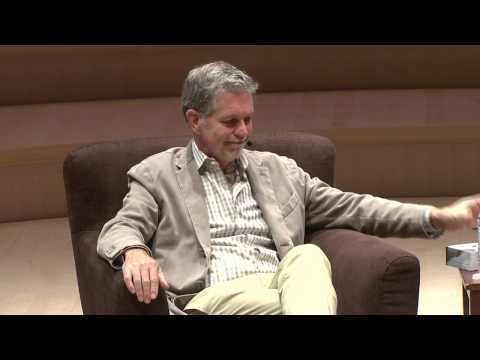
In a Stanford GSB conversation about Netflix’s growth and management philosophy, Hastings explains the culture he built after the company survived its early years. The quote above is taken word for word from the recording's transcript.
In the transcript
…the programmer schedule. In hind sight, it's pretty basic. So linear TV as we know it will be as much as a relic in 20 years as the fixed line telephone, you know, like some of your parents will still have one. But, you know, most people it, you know, it's, it's pretty irrelevant for. >> Right. So, so let's, let's talk a little bit about management style and philosophy.
Yeah, up until 2002, all we focused on was survival. And then once we got public and, and we're profitable we started thinking, wow, this thing might last. And the, the cruelest irony would be to not want to work there. You know to let it become a place we didn't want to be. And so we tried to think through what do we really care about? We realized what we really care about is working with incredible people on hard problems and that, that was the essence. So we should organize everything around supporting that of working with, you know, just incredibly talented people. And so that led us to freedom and responsibility, because incredible people don't wanna be micro managed.
And the idea is that manage through setting context and letting people run. >> Mm-hm. >> You've gotta have the right people, you gotta reinforce that with values set a context about what the company is trying to achieve. But the idea to build a system where amazing amounts of service improvement happened In the marketing, in the content, in the technology in the user interface without direct intervention of…
Read the full transcript of Stanford GSB Entrepreneurial Company of the Year, 2014
Topics
More questions about Reed Hastings
- What does Reed Hastings think the future of TV will look like?
- How does Reed Hastings encourage candor at Netflix?
- What did Reed Hastings say about Netflix culture and taking bold risks?
- What did Reed Hastings say about Netflix advertising and why he changed his mind?
- What did Reed Hastings say about why Netflix wrote down its culture deck?
- What did Reed Hastings say about the biggest mistake people make in the AI debate?
How this answer was made: the quote is checked word for word against the transcript of the recording and confirmed as the speaker's own words; the summary above it was drafted with AI from that transcript and quality-checked. Methodology and corrections.