Snap Judgment Limits
Blink returns as a warning about when first impressions fail.
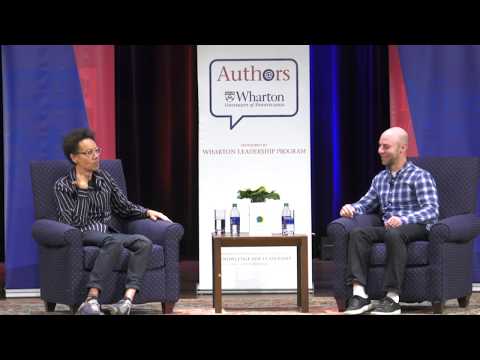
“Because what is the last story in Blink? - Amadou Diallo. - It's just -- so it's the last major chapter in Blink is about the shooting of Amadou Diallo, a young African man in the Bronx, who is -- a group of police confront him outside of his home and make a series of snap decision judgments of him that are all entirely wrong, and shoot him dead. Okay, what is the opening story of Talking to Strangers? The story of Sandra Bland, a young African American woman who was pulled over by a police officer who makes a series of catastrophically bad decisions about her and she ends up dead. I think of this is a continuation. This is part two of Blink. - This is a sequel? - Thisis a sequel. So Blink was a kind of journey through snap judgments that began with, well, when are they good? And then slowly began to kind of explore the notion that, actually they're only good in a very, very limited set of circumstances.”Authors@Wharton conversation, Penn, 2019 · 3:23
The lesson
Gladwell treats this chapter as a continuation of his earlier interest in rapid judgment, not a rejection of it. His later emphasis is that quick readings can fail in systematic ways, especially when we think we understand strangers from a few visible cues. He explicitly describes this work as a second part to Blink, using police encounters to show how snap judgments can become catastrophic when confidence outruns understanding1.
The central problem is not simply bias in the abstract. Gladwell argues that ordinary encounters go wrong because people rely on faulty assumptions while reading faces, tone, and behavior. One of his main examples is the belief that inner feelings are plainly visible on the outside, an assumption he says leads us to overread demeanor and body language when meeting someone we do not know2.
He pushes this further by arguing that misunderstanding is often mutual and situational, not just the result of one bad actor. In the Sandra Bland case, he focuses on how a routine exchange unraveled through repeated failures to interpret the other person correctly. His point is that institutions often demand fast judgments in settings where fast judgments are least reliable, and that can turn ordinary uncertainty into tragedy34.
Gladwell also warns that trust itself creates blind spots. We are built to assume honesty from other people, which makes social life possible, but it also means we miss deception and persist in false confidence longer than we should. That is why first impressions can fail in two directions at once: we misread innocent oddness as threat, and we overlook genuine danger because default trust feels natural56.
The practical lesson is caution and humility. Gladwell is not saying you should never form impressions; he is saying you should lower your confidence in what those impressions tell you about a stranger’s character or intentions. When the stakes are high, the answer is to slow down, gather more context, and resist acting as if a face or a momentary behavior gives you the full person78.
5 principles from Malcolm Gladwell
Treat this as a limit of Blink, not its opposite
Gladwell’s later view keeps his interest in fast judgment but stresses where it breaks down. Apply that by separating situations where experience helps you read quickly from situations involving strangers, high stakes, or thin evidence, where confidence should drop.
“Because what is the last story in Blink? - Amadou Diallo. - It's just -- so it's the last major chapter in Blink is about the shooting of Amadou Diallo, a young African man in the Bronx, who is -- a group of police confront him outside of his home and make a series of snap decision judgments of him that are all entirely wrong, and shoot him dead. Okay, what is the opening story of Talking to Strangers? The story of Sandra Bland, a young African American woman who was pulled over by a police officer who makes a series of catastrophically bad decisions about her and she ends up dead. I think of this is a continuation. This is part two of Blink. - This is a sequel? - Thisis a sequel. So Blink was a kind of journey through snap judgments that began with, well, when are they good? And then slowly began to kind of explore the notion that, actually they're only good in a very, very limited set of circumstances.”
Distrust the assumption that feelings are obvious
A face, posture, or style of speaking does not reliably reveal what someone means or feels. In practice, avoid acting on demeanor alone; ask what else could explain the behavior you are seeing.
“YEAH. SO WHAT I WANTED TO DO WITH THE BOOK IS TO SYSTEMATICALLY BREAK DOWN THE FAULTY ASSUMPTIONS THAT LEAD ENCOUNTERS BETWEEN STRANGERS TO GO AWRY. SO I MEET YOU FOR THE FIRST TIME. ALL WE KNOW ABOUT EACH OTHER IS WHAT WE CAN SEE ABOUT EACH OTHER. WE START TO HAVE A CONVERSATION. SOMETIMES THAT GOES WELL. SOMETIMES IT GOES HORRIBLY WRONG. BUT WE'RE MAKING JUDGMENTS ALL THE TIME... THE WHOLE TIME. ...BASED ON OUR OWN UNCONSCIOUS BIASES AND CONSCIOUS, CORRECT? EXACTLY. I'LL GIVE YOU ONE OF THE ONES THAT I SPENT A LOT OF TIME ON, IS WHAT I CALL THE ASSUMPTION OF TRANSPARENCY, WHICH IS, WHEN I SEE YOU, I OBSERVE YOUR DEMEANOR, YOUR FACE, YOUR EXPRESSIONS, YOUR EMOTIONS, YOUR BODY LANGUAGE, AND I DRAW CONCLUSIONS ABOUT THAT.”
Remember that default trust is both useful and dangerous
Humans usually begin by believing one another, and that helps society function. But it also makes us vulnerable to deception and overconfidence, so build checks for important decisions instead of relying on your natural read of sincerity.
“WE ARE CONDITIONED BY EVOLUTION TO BASICALLY ASSUME THAT EVERYONE IS TELLING THE TRUTH…”
Slow down when the stakes are high
Gladwell’s warning is strongest in settings like policing or other consequential judgments about strangers. If the cost of error is severe, create time, seek context, and avoid forcing instant interpretations from ambiguous behavior.
“…the cost of that insight is too high…”
Lead with humility about what you can know
The right response to the limits of snap judgment is not paralysis but modesty. Hold your first impression lightly and revise it as new information appears.
“I want people to have, when I end, a call for caution and humility…”
In his own words
The quotes behind the lesson, word for word from the transcripts. Numbers match the lesson above.
“Because what is the last story in Blink? - Amadou Diallo. - It's just -- so it's the last major chapter in Blink is about the shooting of Amadou Diallo, a young African man in the Bronx, who is -- a group of police confront him outside of his home and make a series of snap decision judgments of him that are all entirely wrong, and shoot him dead. Okay, what is the opening story of Talking to Strangers? The story of Sandra Bland, a young African American woman who was pulled over by a police officer who makes a series of catastrophically bad decisions about her and she ends up dead. I think of this is a continuation. This is part two of Blink. - This is a sequel? - Thisis a sequel. So Blink was a kind of journey through snap judgments that began with, well, when are they good? And then slowly began to kind of explore the notion that, actually they're only good in a very, very limited set of circumstances.”
“YEAH. SO WHAT I WANTED TO DO WITH THE BOOK IS TO SYSTEMATICALLY BREAK DOWN THE FAULTY ASSUMPTIONS THAT LEAD ENCOUNTERS BETWEEN STRANGERS TO GO AWRY. SO I MEET YOU FOR THE FIRST TIME. ALL WE KNOW ABOUT EACH OTHER IS WHAT WE CAN SEE ABOUT EACH OTHER. WE START TO HAVE A CONVERSATION. SOMETIMES THAT GOES WELL. SOMETIMES IT GOES HORRIBLY WRONG. BUT WE'RE MAKING JUDGMENTS ALL THE TIME... THE WHOLE TIME. ...BASED ON OUR OWN UNCONSCIOUS BIASES AND CONSCIOUS, CORRECT? EXACTLY. I'LL GIVE YOU ONE OF THE ONES THAT I SPENT A LOT OF TIME ON, IS WHAT I CALL THE ASSUMPTION OF TRANSPARENCY, WHICH IS, WHEN I SEE YOU, I OBSERVE YOUR DEMEANOR, YOUR FACE, YOUR EXPRESSIONS, YOUR EMOTIONS, YOUR BODY LANGUAGE, AND I DRAW CONCLUSIONS ABOUT THAT.”
“I wanted to write about because if you break that exchange down moment by moment, you see multiple failures of understanding…”
“WHEN YOU SENT THIS OFF TO YOUR PUBLISHER AND YOU HAD DONE THE FINAL PAGE AND BROUGHT US ALL THE WAY BACK AROUND TO SANDRA BLAND, YOUR DEEPEST HOPE FOR THE BOOK WAS... THAT WE WOULD ALL ACKNOWLEDGE OUR COMPLICITY IN THE DEATH OF SANDRA BLAND. THAT THAT WASN'T ABOUT A ROGUE COP AND A STUPID SMALL TOWN AND WHAT HAVE YOU. IT WAS ABOUT THAT WE HAVE INSTITUTIONALIZED WAYS OF DEALING WITH STRANGERS THAT MAKE NO SENSE. WE HAVE ASKED POLICE OFFICERS, REQUIRED THEM, FORCED THEM, PUSHED THEM TO MAKING JUDGMENTS ABOUT PEOPLE THAT SHOULDN'T BE MADE.”
“WE ARE CONDITIONED BY EVOLUTION TO BASICALLY ASSUME THAT EVERYONE IS TELLING THE TRUTH…”
“…we're not very good at talking to strangers…”
“I want people to have, when I end, a call for caution and humility…”
“He—so even on the level I try and identify in the book all of the different ways—and this is when I come back to the case at the end of the book—I go through this in more detail, all the different ways in which he completely misunderstands her. And one of them is, he doesn't understand the meaning of lighting a cigarette in a moment of tension, and that's, you know, still more evidence why you need, if you're a cop or anyone dealing with a stranger, you need to slow down and not jump to any conclusions because there's so much you can miss. What it seemed to me when I listened to it initially, and then I listened to it again in your audiobook, there's a thing that happens with police officers, and I've never been a police officer, but I was a security guard for a brief period of…”
Reflect
- Where in your work do you make high-stakes judgments about people from limited contact, and what would it look like to slow that process down?
- Think of a time you misread someone’s face, tone, or behavior. What assumption were you making, and what missing context would have changed your judgment?
- What decisions in your life currently rely too much on your sense that you can ‘just tell’ what a stranger is like?
Check your understanding
Go deeper
 Malcolm Gladwell on Trust and Strangers: Why We Misread People2019 · 88 min · full transcript
 Malcolm Gladwell on Talking to Strangers: Trust, Bias, and Judgment2019 · 60 min · full transcript
 Malcolm Gladwell on Talking to Strangers: Why Trust Goes Wrong2019 · 42 min · full transcript
 Malcolm Gladwell on Talking to Strangers: Trust, Error, and Tragedy2019 · 57 min · full transcript
- What did Malcolm Gladwell say about Talking to Strangers being a sequel to Blink?
- What is Malcolm Gladwell's main idea in Talking to Strangers?
- Why does Malcolm Gladwell say people need to slow down when dealing with strangers?
- What did Malcolm Gladwell say about why people miss signs of abuse or deception?