Misreading Strangers
Faces, first impressions, and confidence often mislead us.
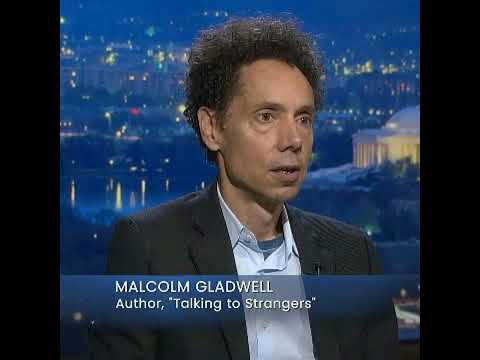
The lesson
The central claim of this chapter is simple: we are much worse at reading strangers than we think. Gladwell returns to this point across interviews, arguing that misunderstanding is not a rare error but a routine feature of encounters with people we do not know well2. The practical implication is that confidence in a first impression is often misplaced, especially when the stakes are high.
A big reason for this failure is that we assume people’s inner states are visible on the surface. Gladwell describes this as a faulty assumption: we look at faces, tone, and body language and believe they transparently reveal what someone means or feels, when they often do not3. That is why a person can appear calm when lying, nervous when truthful, or simply behave in a way that does not match our expectations; the error is not only in the person we judge, but in the method we use to judge them4.
Gladwell uses Sandra Bland as a case study not because it is unusual, but because it reveals these mistakes step by step. He says the encounter can be broken down into repeated failures of understanding, with ordinary actions being interpreted too quickly and too confidently5. His point is that tragedy can emerge from fast judgments in situations where the other person is still largely unknown.
This is also why Gladwell shifts attention from individual blame alone to systems and habits. He argues that institutions often force people, especially police, into making judgments about strangers that should not be made so quickly, and that better encounters depend on slowing down rather than rushing toward certainty8. Time does not guarantee accuracy, but it reduces the risk of acting on a mistaken reading.
The chapter’s broader lesson is a call for humility. Human beings are inclined to trust, to infer, and to believe that they understand what they see, but those instincts can fail badly with strangers9. Gladwell wants the right response to be caution: less faith in first impressions, more awareness of how often we are wrong, and more willingness to admit uncertainty before acting10.
5 principles from Malcolm Gladwell
Distrust your first reading of a stranger
A first impression may feel decisive, but Gladwell argues that people routinely get strangers wrong. In practice, treat your immediate judgment as a hypothesis to test, not a conclusion to act on.
“…we're not very good at talking to strangers…”
Do not assume faces reveal the truth
We often believe emotion and intention are plainly visible in expression, tone, or posture. Gladwell argues that this assumption fails often enough that you should be careful about reading confidence, guilt, honesty, or hostility directly from demeanor.
“YEAH. SO WHAT I WANTED TO DO WITH THE BOOK IS TO SYSTEMATICALLY BREAK DOWN THE FAULTY ASSUMPTIONS THAT LEAD ENCOUNTERS BETWEEN STRANGERS TO GO AWRY. SO I MEET YOU FOR THE FIRST TIME. ALL WE KNOW ABOUT EACH OTHER IS WHAT WE CAN SEE ABOUT EACH OTHER. WE START TO HAVE A CONVERSATION. SOMETIMES THAT GOES WELL. SOMETIMES IT GOES HORRIBLY WRONG. BUT WE'RE MAKING JUDGMENTS ALL THE TIME... THE WHOLE TIME. ...BASED ON OUR OWN UNCONSCIOUS BIASES AND CONSCIOUS, CORRECT? EXACTLY. I'LL GIVE YOU ONE OF THE ONES THAT I SPENT A LOT OF TIME ON, IS WHAT I CALL THE ASSUMPTION OF TRANSPARENCY, WHICH IS, WHEN I SEE YOU, I OBSERVE YOUR DEMEANOR, YOUR FACE, YOUR EXPRESSIONS, YOUR EMOTIONS, YOUR BODY LANGUAGE, AND I DRAW CONCLUSIONS ABOUT THAT.”
Slow the encounter down
When stakes are high, speed magnifies misunderstanding. Adding time creates room to gather context, reconsider assumptions, and avoid acting on a false interpretation.
“…what your job is is to add seconds into the encounter…”
Look for systemic causes, not just bad individuals
Gladwell uses stranger mistakes to show that institutions can normalize bad judgment. If a system requires people to make fast, high-stakes interpretations of strangers, redesigning the system may matter more than finding one person to blame.
“I wanted to write about because if you break that exchange down moment by moment, you see multiple failures of understanding…”
Respond with caution and humility
Because humans are inclined to trust and to overread what they see, error is built into many stranger encounters. A better stance is to admit uncertainty and accept that being wrong is common.
“I want people to have, when I end, a call for caution and humility…”
In his own words
The quotes behind the lesson, word for word from the transcripts. Numbers match the lesson above.
“…we're not very good at talking to strangers…”
“YEAH. SO WHAT I WANTED TO DO WITH THE BOOK IS TO SYSTEMATICALLY BREAK DOWN THE FAULTY ASSUMPTIONS THAT LEAD ENCOUNTERS BETWEEN STRANGERS TO GO AWRY. SO I MEET YOU FOR THE FIRST TIME. ALL WE KNOW ABOUT EACH OTHER IS WHAT WE CAN SEE ABOUT EACH OTHER. WE START TO HAVE A CONVERSATION. SOMETIMES THAT GOES WELL. SOMETIMES IT GOES HORRIBLY WRONG. BUT WE'RE MAKING JUDGMENTS ALL THE TIME... THE WHOLE TIME. ...BASED ON OUR OWN UNCONSCIOUS BIASES AND CONSCIOUS, CORRECT? EXACTLY. I'LL GIVE YOU ONE OF THE ONES THAT I SPENT A LOT OF TIME ON, IS WHAT I CALL THE ASSUMPTION OF TRANSPARENCY, WHICH IS, WHEN I SEE YOU, I OBSERVE YOUR DEMEANOR, YOUR FACE, YOUR EXPRESSIONS, YOUR EMOTIONS, YOUR BODY LANGUAGE, AND I DRAW CONCLUSIONS ABOUT THAT.”
“THE TECHNICAL WORD FOR WHAT SHE IS, IS MISMATCHED.”
“I wanted to write about because if you break that exchange down moment by moment, you see multiple failures of understanding…”
“…what your job is is to add seconds into the encounter…”
“WE ARE CONDITIONED BY EVOLUTION TO BASICALLY ASSUME THAT EVERYONE IS TELLING THE TRUTH…”
“I want people to have, when I end, a call for caution and humility…”
Reflect
- Think of a time you felt sure you had read someone correctly on first meeting. What cues did you rely on, and what would it mean to treat those cues as uncertain rather than definitive?
- Where in your work or life are people asked to make quick judgments about strangers, such as interviewing, hiring, teaching, policing, or customer service? How could you add time or context to reduce error?
- What kinds of behavior tend to trigger strong interpretations in you, such as nervousness, silence, eye contact, or confidence? How might those interpretations be misleading?
Check your understanding
Go deeper
 Malcolm Gladwell on Talking to Strangers: Why Encounters Go Wrong2019 · 159 min · full transcript
 Malcolm Gladwell on Talking to Strangers: Why Trust Goes Wrong2019 · 42 min · full transcript
 Malcolm Gladwell on Trust and Strangers: Why We Misread People2019 · 88 min · full transcript
 Malcolm Gladwell on Talking to Strangers: Trust, Bias, and Judgment2019 · 60 min · full transcript
 Malcolm Gladwell on Talking to Strangers: Trust, Error, and Tragedy2019 · 57 min · full transcript
- What did Malcolm Gladwell say about Talking to Strangers being a sequel to Blink?
- What did Malcolm Gladwell say was the deepest hope of Talking to Strangers?
- What is Malcolm Gladwell's main idea in Talking to Strangers?
- Why did Malcolm Gladwell write Talking to Strangers?
- Why does Malcolm Gladwell say people need to slow down when dealing with strangers?
- What did Malcolm Gladwell say about why people miss signs of abuse or deception?