Kobe Bryant on Mentorship
Kobe Bryant saw mentorship as a direct exchange of hard-won knowledge: seek out the best, learn how they think, then pass those lessons on by helping others grow.
- Seek mentors actively; don’t wait for wisdom to come to you.
- Mentorship is not admiration from afar but learning specific lessons about leadership, winning, and growth.
- The goal of great mentorship is to make other people better, not just yourself.
- Leadership and mentorship require judgment: sometimes push, sometimes step back, always aim at what helps others become their best.
Mentorship starts with asking the best people directly
Kobe did not treat mentorship as something passive. He went after it, learning from all-time greats through direct conversation and sustained relationships, especially around leadership and winning. For him, one of the clearest patterns was simple: if someone knows something you need to learn, ask.12
That approach made mentorship practical rather than ceremonial. He sought out people who had already solved the problems he cared about, then used those conversations to sharpen how he competed, led, and thought about championships.12
A mentor helps you see what you cannot yet see
Kobe described Michael Jordan as more than an idol; he became a guide who recognized something in him and taught him concrete lessons. Those lessons were not only about moves or tactics, but about leadership and how to read situations more clearly.2
This is a central part of Kobe’s view: a mentor shortens the learning curve by exposing blind spots. The value is not comfort. The value is sharper perception, better decisions, and a higher standard than you would likely reach alone.23

“But what happened is that we wound up, he wound up becoming a big brother to me. What are you doing? Like I know where you're going. You got to get up quicker. If you knew where I was going, why you go for the fake? Mike, after you fake the ball, where else you going? You jump off your feet. Yeah, but where else you going to go? In the game, I go for you. I prepare. I go for these reels right here. He saw something in me that reminded him a lot of himself when he was coming up. He took me under his wing a lot. He showed me a lot of things, taught me a lot of things, like leadership things. Kobe Bryant passes the great Michael Jordan and moves into third on the NBA's all-time scoring list. So when I passed him up, I remember talking to him after we said, you know, this is kind of, it's, it's, you know, he's still here. The information and the stuff that he's passed on to me, I'm breathing that spirit back into the game all over again, which is a lot of…”Interview with Shaquille O'Neal, 2018 · full transcript →
The point is to help people become their best, not to make them dependent on you
Kobe’s later view of greatness moved beyond individual achievement toward elevating others. In his work after basketball, he framed competitiveness as helping people test themselves against their own best standard, instead of looking to him for approval.4
That idea fits his approach to mentorship. He believed earlier generations had done this for him, so passing on what he learned was part of the job. Good mentorship, in his view, builds another person’s self-trust, craft, and judgment so the game, field, or project keeps growing after you are gone.14
Mentorship works best when it is specific, honest, and tied to the work
Kobe consistently emphasized process, discipline, and standards. That makes his idea of mentorship very concrete: talk about how to lead, how to prepare, how to win, and how to improve, then apply it in daily work.15
He was not interested in vague inspiration by itself. He respected obsessive commitment to craft and believed growth comes from doing the work repeatedly, with patience and honesty about where you stand. In practice, that means the best mentors do not just encourage you; they help you build habits.56
Passing knowledge on is a responsibility
Kobe saw mentorship as a chain. He learned from West, Jordan, Bill Russell, and other greats, and he felt obligated to continue that chain by teaching younger players what he had learned about championships and leadership.1
That sense of responsibility also matched his broader belief that you have to do what is right, even when it is uncomfortable. Mentorship is part of that ethic: if you have insight that can help the next generation grow, keeping it to yourself falls short of the standard he believed in.71
Kobe on mentorship, in his own words
“But what happened is that we wound up, he wound up becoming a big brother to me. What are you doing? Like I know where you're going. You got to get up quicker. If you knew where I was going, why you go for the fake? Mike, after you fake the ball, where else you going? You jump off your feet. Yeah, but where else you going to go? In the game, I go for you. I prepare. I go for these reels right here. He saw something in me that reminded him a lot of himself when he was coming up. He took me under his wing a lot. He showed me a lot of things, taught me a lot of things, like leadership things. Kobe Bryant passes the great Michael Jordan and moves into third on the NBA's all-time scoring list. So when I passed him up, I remember talking to him after we said, you know, this is kind of, it's, it's, you know, he's still here. The information and the stuff that he's passed on to me, I'm breathing that spirit back into the game all over again, which is a lot of…”
Where to watch
 Kobe Bryant on Mentorship and Leadership: Doing What's Right2017 · 20 min · full transcriptBest single entry point on Kobe’s view that mentorship is something you seek directly and then pass on to the next generation.
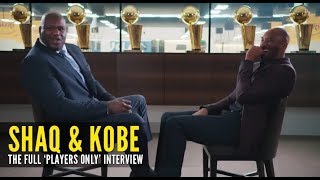 Kobe Bryant on Kobe-Shaq Rivalry: The Fire Behind the Dynasty2018 · 40 min · full transcriptShows how Kobe described Michael Jordan’s mentorship and the specific leadership lessons he took from him.
 Kobe Bryant on Mamba Mentality: Turning Pressure Into Greatness2015 · 54 min · full transcriptExplains Kobe’s mature shift from proving himself to helping teammates become their best.
 Kobe Bryant on Mamba Mentality: Dream Big, Practice Hard2017 · 60 min · full transcriptUseful for understanding how Kobe taught through standards, curiosity, and work rather than simple praise.
 Kobe Bryant on Injury, Leadership, and Legacy: Playing Fearlessly2013 · 29 min · full transcriptAdds Kobe’s view that leadership under pressure is learned and that mentors were a major part of his growth.
Questions people ask
Sources
Every quote above, word for word from the transcripts. Numbers match the text.
“Well, the guys that came before did the same thing for me. You know, I've had really in-depth conversations with Jay West and talking about things. Same thing with MJ. You know, I've had great mentors, Elijah. I've had guys, all-time greats, Bill Russell, man. We talked a lot about how to win championships, how to lead. And so, I felt like it's my job to try to pass that information on to the next generation and then see the game develop and see it grow. You know what I mean? It's amazing to look back and see what some of these athletes are doing now, right? Whether it's the generation of James Harden, Luca Dončić now, and some of the players, like, it's fun to sit back and…”
“But what happened is that we wound up, he wound up becoming a big brother to me. What are you doing? Like I know where you're going. You got to get up quicker. If you knew where I was going, why you go for the fake? Mike, after you fake the ball, where else you going? You jump off your feet. Yeah, but where else you going to go? In the game, I go for you. I prepare. I go for these reels right here. He saw something in me that reminded him a lot of himself when he was coming up. He took me under his wing a lot. He showed me a lot of things, taught me a lot of things, like leadership things. Kobe Bryant passes the great Michael Jordan and moves into third on the NBA's all-time scoring list. So when I passed him up, I remember talking to him after we said, you know, this is kind of, it's, it's, you know, he's still here. The information and the stuff that he's passed on to me, I'm breathing that spirit back into the game all over again, which is a lot of…”
“…as a leader, you have to be able to suppress whatever nervousness you may be feeling…”
“Yeah. No, it will. Like I said, basketball is different because it's such a direct competition. Um, what we do now, there isn't. The competitiveness that I bring to work every day is really helping people, in a sense, be competitive with themselves. Right? If you're—If you're animating something, or you're writing a screenplay, or you're composing a piece of music, is that the best you can do? Right? Don't ask me. Don't say, "Okay, do you approve?" Don't ask me. I'm not the musician. I'm not the composer. You know? Right? So, the competitiveness is more from an individual perspective. Are you—Is this the best you can do? And if the answer is yes, then off we go. So, it's—it's different. It's different.”
“You have to be obsessive about the process, you know?”
“Rest at the end, not in the middle.”
“…you've got to do what's right…”
How this guide was made: drafted with AI from the full transcripts of the recordings cited, then checked: every quotation must match a transcript word for word and be the speaker's own words, and an independent review gates accuracy. Methodology and corrections.

