Kobe Bryant on Mamba Mentality: Rest at the End

What Kobe talks about
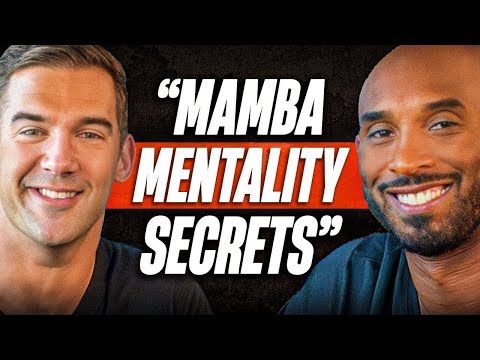
Kobe Bryant gave this interview on the School of Greatness podcast in 2018, discussing the Mamba Mentality, obsessive practice, teamwork, and his transition from basketball to storytelling and investing.
Also known as: Kobe Bryant’s last great interview; Mamba Mentality interview with Lewis Howes; lost interview.
Kobe Bryant traces his competitive mindset back to childhood, especially a summer where he scored zero points and learned to embrace failure. He says his parents taught him imagination, curiosity, and the work required to turn ambition into reality.
He explains how he built the Mamba Mentality through fundamentals, obsessive practice, film study, and learning how to motivate teammates. Kobe also describes Phil Jackson’s psychology, the importance of collective trust, and why championship teams need tactical communication, not empty rah-rah talk.
After basketball, Kobe says the hardest part was starting over and not getting instant feedback. That led him toward storytelling, investing, and creating children’s projects, while continuing to train and model hard work for his daughters.
Lewis Howes interviews Kobe Bryant, with brief intro/outro narration.
In his words
“Rest at the end, not in the middle.”
“Whether you score zero or score 60, I'm going to love you no matter what.”
“Nothing in this world moves without story.”
“I'm going to be a storyteller.”
“That's the one thing that I miss: being able to feed off of the energy.”
Key points
- Greatness means inspiring others, not just achieving individually.
- Failure early on gave him the confidence to keep working without fear.
- He improved by focusing on fundamentals over a long-term timeline.
- Obsessive daily reps create major gains over time.
- He used psychology and behavior changes to elevate teammates.
- Film study taught him to read body language, tactics, and timing in real time.
- After retirement, storytelling became his new way to add value.
Full transcript: Kobe Bryant, School of Greatness interview on Mamba Mentality (2018)
To inspire the people next to you, I think that's what greatness is, or should be. It's not something that lives and dies with one person. It's how can you inspire a person to then in turn inspire another person, and then inspires another person. And that's how you create something that I think lasts forever. 6'6", 212 lb, from Marian High School. He has given us some great memories over the years. How about a big round of applause for, right now on the floor, number 24, the Black Mamba, Kobe Bryant? My father just gave me a hug and said, "Listen, whether you score zero or score 60, I'm going to love you no matter what." Now that is the most important thing that you can say to a child.
Because from there, I was like, okay, it gives me all the confidence in the world to fail. There's a quote from one of my English teachers at La Maran named Mr. Fisk: "Rest at the end, not in the middle." And that's something I always live by. When you're in this culture, in our society, you can do some phenomenal things individually, but they'll never reach their full potential unless you do them collectively. The spirit of your team must be good, because at that moment is when teams fracture. If the energy amongst each other isn't there, that trust isn't there, you're done. Nothing in this world moves without story, and if we're going to try to make the world a better place, story is the right place. What brings you the most joy right now? Being with my family. What does love feel like? I think I describe it as a beautiful journey. You
know, it has its ups and downs. Things are never perfect, but through love, you continue to persevere, and then through that storm, a beautiful sun emerges. I'm so excited for you to watch and experience one of Kobe Bryant's last interviews. For me, it was so inspiring to connect with him and hear about his stories about love, life, basketball, relationships, and what it means to leave a legacy and his definition of greatness. Also, we have five minutes of exclusive bonus footage that has never been released that I'm going to share with you at the end of this interview and also share with you my whole experience
of meeting Kobe and the lessons I learned. I'm so excited for you to watch this interview and to see the bonus content at the end. It's content that we found recently that we are now releasing with this interview. Again, stay tuned to the end and I hope you enjoy one of the great interviews of Kobe Bryant. Welcome everyone to the School of Greatness podcast. We have the incredible, legendary Kobe Bryant. My man, it's good to meet you. Pleasure, man. Congrats on everything. You're an icon, a legend, and the thing I love the most about you is that you really care about other human beings. Yeah, your heart is so big, even though you've been known for this focus mentality that is just almost psycho in
some ways, but you care deeply about human beings, and I think that's why so many people love you as well. So, I want to acknowledge you for your kindness and your generosity towards humanity. My first question for you is, I'm curious about who was your greatest teacher growing up, because you had an interesting childhood being in Italy for a while, coming back to Philadelphia. I think it was—who was the greatest teacher for you in those early days? It was funny; I had a lot of them. My parents were great. You know, growing up, they instilled in me the importance of imagination, of curiosity, and understanding that, okay, if you want to accomplish something, I'm not just going to sit here and say yes, you
can do whatever you want. Yes, you can, but you have to also put in the work to get there, right? So they taught me that at a really early age, man. And when you grow up as a kid thinking that the world is your oyster, all things are possible if you put in the work to do it, you know, you grow up having that fundamental belief. Yeah, who was more influential for you, your father or mother? Both were influential at different points. Yeah, right. My mom was there on a daily basis. My father was really influential at a really critical time where I had a summer where I played basketball when I was like 10 or 11 years old in a very prominent summer league in Philadelphia called The Sunnyhill League, where my father played, my uncle played, and they were like all-time
great, all-stars, and Wilt Chamberlain played in the league, you know, early pro role playing the league, and here I come playing, and I don't score one point the entire summer. Really? Not one. How old were you? 11, 10-11, and you're playing against other 10-11 year olds? Or? And you didn't score once? Not one. Were you in the game? I was in the game. How did you not score? 'Cause I was terrible. Really? Yeah. That 10-11 years old, you were that awful? I mean, I had these big knee pads on 'cause I was growing really fast. I had socks all the way up here, and I had like the Pro Top, like skinny as hell, and I scored not a free throw, not a nothing, not a lucky shot, not a breakaway layup, zero points. And I remember crying about it and being upset about it, and my
father just gave me a hug and said, "Listen, whether you score zero or score 60, I'm going to love you no matter what." Wow. Now, that is the most important thing that you can say to a child, because from there I was like, okay, that gives me all the confidence in the world to fail. I have the security there, but the hell with that, I'm scoring 60, let's go. Right, right. And from there, I just went to work, and I just, I stayed with it. I kept practicing, kept practicing, kept practicing. Is that when you think the mentality of hard work started to come in for you, at that age when you failed so miserably? I guess that summer. I think that's when the idea of understanding a long-term view became important, because I wasn't going to catch these kids in a week. I wasn't going to catch them in a year.
Right, so that's when I sat down and said, okay, this is going to take some thought, right? What do I want to work on first? All right, shooting. All right, let's knock this out. Let's focus on this half a year, six months, do nothing but shoot, right? After that, all right, creating your own shot. Then you focus. So you start... I started creating a menu of things. When I came back the next summer, I was a little bit better, right? Menu means like I've got my jump shot from 15. I've got my... I got my jump shot from 15. I got my three-point shot, like just open shots, not miss open shots, right? Be able to shoot it with speed because those kids are so much more athletic. And then the next summer I came back, it was a little better. And the summer came back next sum, I was a little better. I scored, you know, it wasn't much, but I scored. This is 12, 13, 12, 13, then 14 came, came around back.
Half at 13, 14, uh, years old, and then I was just killing everyone. And it happened in two years, and I wasn't expected to happen in two years, but it did because what I had to do was work on the basics and the fundamentals. Well, they relied on athleticism and their natural ability, and because I stuck to the fundamentals, it just caught up to them. And then my body, you know, my knees stopped hurting. I grew into my frame, and that in your athleticism. Once you have the fundamentals exactly, the hard work, work, the mindset, and you tack on the—it's game over. Then it was game over. Wow. So from 13, you're good, average still. I was good. I was good. Then about like the end of my third, like right when
I was turning 14, I became best player in the state at 14. At 14. So from 12 to 14, you went from scoring zero to being the best in the state of all ages. Yep. But it's simple. Like, if you do the math on this, right? Like if you're thinking about how often kids are playing—mhm. Right. I tell my daughter and my daughter's team as well that I coach it's a simple thing of math. If you want to be a great player, if you play every single day, two, three hours every single day over the course of a year, how much better are you getting? Most kids will play maybe, you know, an hour and a half, two days a week, right? Math on that. It's not going—it's not going to get it done. It's not going to get it done. Right, so if you're obsessive, obsessive, obsessively training
Two, three hours every single day over a year, year over two years, they accelerate. You make quantum leaps, man. Just doing a summer camp for two weeks, you see a difference. I remember playing B—you get a lot better, and you come back more confident playing on the playground with guys who used to beat you. Yeah. And I, and like, I tell the parents with my team I said it's—when I say your kids are going to become great basketball players, they like, really? Like, yeah, it's not... there's no math. That's it. Show up every single day. Show up every single day. Do the work. But you have this Mamba mentality. Your book's coming out soon. And how did you develop this? There's a—there's a beautiful story that I love from Jay Williams. I don't know if you remember Jayon Williams, where he did an interview a while back and he talked about how when he played you, I think the first time or one of the first times he
Played against you, he was like, I'm going to show up so early to the court to warm up and practice, like before anyone. And he shows up at the court—I don't know if it was in LA or where it was—and you were the only one there already shooting free throws, already doing your fundamentals. He goes, I'm going to stay here until Kobe leaves. And then he was like, gosh, an hour and a half, two hours later, I got to go. I'm tired. And Kobe's still shooting free throws, scorn, like just going over the fundamentals. He goes, and then we played that game, and you were lights out. And he came up to you afterward and said, like, dude, why were you in there for so long and how'd you do it? And he said, this is what he said you said. You said, I knew you were watching and I wanted to show you I was willing to outwork you, right? Something along those lines. Yeah, yeah, I don't know if you remember this. I remember, you remember? Yeah. And I thought
That was so powerful that you have this mindset. But how did you develop that? I, I don't know if that's what you call the Mamba mindset, but how did you develop that? And when did it start? It started in middle school and high school because a lot of the kids that I was playing against were inner-city kids. Yeah. And so you're looking at me as if, okay, this kid is soft, right? He's from the suburbs of Philadelphia. His father played in NBA, played professionally. He's got it easy, got it easy, born on second, you know, all this sort of stuff, right? And so they felt like they could try to be physical or try to intimidate me, do all other stuff which they couldn't, right? But now I'm saying, okay, well, you're trying to attack me. How am I going to attack you? How can I mentally figure out ways to break, break you down? How can I show you?
That, no, I have the edge, right? And so that's when it first started for me: figuring out how to get the upper hand on an opponent that way. And what would you do to mentally break people down then? Well, I mean, you know, like, we used to have an All-American camp that I used to go to. And, you know, at the time when I first showed, I was a sophomore. And one of the things I would do is, while everybody would be at the cafeteria, working, you know, eating and doing this other stuff, I just go back to the gym. I just go back to the—just they'd be resting, and they'd see me leave, right? But now you're in a tough position, 'cause you're like, "Okay, I want to be like, I'm following the kid to go work out, but I know he's working, he's up early, and he's doing all the sort of stuff." And so that was my way of showing them.
Yeah, maybe from the suburbs, but you're not going to outwork me. Wow. And I'm mentally going to—did someone teach you that? Was that just a thing that you decided, like, I'm going to get in people's minds? Um, I think it's just figuring out ways to be better and to win the game. And it started as a defense mechanism because, you know, they were the ones talking trash to me, and, you know, kid from Italy, blah, blah, blah, and all sorts of stuff. And it was like, okay, I got to—I can't let them, I got to defend myself here, right? Then it became, okay, you know, I'm pretty witty, I can say some pretty witty things. Italian, Italian. It's interesting, you know, I never—I never was physically gifted to an extreme level. I was always really—
good, but I was never like the fastest or biggest or strongest. But I remember my edge was, I'm not going to go party, and I'm not going to drink alcohol, right? So I've never been drunk still, 'cause I was like, I need every edge. When guys were out partying late at night who were better than me and drinking and showing up hungover, I was like, I'm going to be more focused and have clear vision. And um, but I wasn't waking up at 4 a.m. like you. So, well, that's interesting because like when I—when I played, one of the things I had to learn is how to get the best out of my teammates. Yeah. And most people think it's a simple thing, you know, pass them the ball, you know, but that's not how you make guys better. You have to really affect their behavior. How do you do that? So yeah, no, like, I would tell guys, you know, you got—
two back-to-backs, you know. I don't care if we're in Miami. I don't care if we're in Great City or Chicago. You can't go out. We got to get rest, right? Back-to-back G, back-to-back games, right? Monday, Tuesday—play Monday and play again Tuesday. Guys are going to listen, right? You know, so few times say, all right, we'll all go out, we go out together. Really? I'll drink with you, right? But the next morning, I'm banging on your door at 5:00 in the morning. Let's go. They're not getting where we going. I'll hang out with you now, you come hang out with me. This is what we do. All right, let's go—and you're at the gym, we're working out, right? We hit the bus, we go to practice, we play that night, and they're dead. And they're dead. They're like lesson learned. Really, lesson learned. Take them out once. Listen, if you're going to do that, do that, but —
don't let that compromise what we're here to do. This is why we're here. This is why you're here in the first place. Yeah, right. And if we're going to win a championship, we have to have that championship mentality, work ethic—that's it. So you got to show them no one can do that and still has the energy to get up and do this. So either I got to meet that same energy or I got to keep my butt in, go to bed early. Yeah. Wow. What are some other things you did to rise the level of your teammates? What are some other ways you can, and what do you think people can do in general with the business team or any sports team? I think you have to—you have to listen. You have to pay attention to what your colleagues or teammates are saying and what are certain things that drive them, certain things that motivate them, that trigger them. Uh, and one of my favorite ones, Pau hates it every time I—
tell the story. He hates it, he hates it. But we—we lost to the Celtics in '08, and it was a physical series. I mean, they beat the crap out of us. Yeah. And so we go into the Olympic year that year. We wound up playing Spain for the gold medal match, and we beat them, uh-huh. And so now we come back to start training camp, and Pau shows up first day of training camp, I have my gold medal hanging in his locker. Oh no. And he—I mean, like, the one thing that he truly, truly loves is this country, of course. That is like everything to him. So it just drove him crazy. I said, "Pau, listen." He said, "You said, listen, Pau, you lost to the Celtics, you lost to us in a gold medal match. Let's not make this three in a row."
This year, wow, okay, let's win this thing. Now, was that it for him? And he probably stepped up at a whole another level. Well, he, you know, Pal was a phenomenon to begin with, and then for him, it was just stepping up to a level of physicality that we needed him to get to, which he did. And we went on to win back-to-back championships. My man, how important is understanding human psychology and human behavior to work with a team? Are you supposed to just rely on your gifts and talents? It's, uh, it's probably the most important thing, you know. When you're in this culture, in our society, you can do some phenomenal things individually, but they'll never reach their full potential unless you do them collectively, and you have to figure out how to do that. And, you know, Phil Jackson
was great at that. Phil, uh, you know, he wouldn't just coach the team or coach the game, but he'd read everything about every single player. You learned about your history, how you grew up, um, how you were raised, where were, where were you raised. You know, he'll read every interview and he'll learn about you and it gives him a better understanding of what's motivating you or what your insecurities are, right? And then it just helps him communicate with you better or even push a button here if he needs to. When did you learn that it was important to understand who your teammates are, what their likes or dislikes are? Was that in high school for you, or more? No, it was I learned it from Phil there.
There was a stretch, um, in '03, uh, where Shaq was out with an injury, and Phil called me up to his office and said, "Okay, we need you to really turn on the afterburners and start scoring the ball if we have to win." So I did, and I ended up scoring, I think it was nine straight games with 40-plus points. Nine straight, nine straight games. And then Shaq comes back, sec second-to-last game of that. And then Phil calls me up to his office and says, "Co, okay, I need you to dial it back." I'm like, "Why? Like, we're winning. I don't understand." He says, "Because our goal is to win a championship, and we can get through the Western Conference with you playing this way, but in the East, you know, we can
dominate them inside with Shaq in the post. But if you continue to do this, we'll lose Shaq. We'll lose his motivation, his excitement, what triggers him, right? So I need you to pull back so we can pull Shaq forward for June." Wow. And I just looked at him like this—one smart dude. Wow. Really smart. One smart dude, man. So I pulled it back. Wow. Yeah. What do you think's been the greatest challenge you've had since leaving the game? The greatest challenge, um, I think it's, you know, you want an Oscar, you're launching podcasts
and shows and you got a book coming out. Yeah, but it's different though, like, you know, um, we were just talking about it here in the office the other day. Um, you know, when you play the game, MH, you hit a game-winning shot, you miss a shot, the reaction is there. You can see how people respond to it, right? You can feel it. The energy is there. The energy is there. What I do now, you don't. Like, I don't see how people are affected by the basketball or, you know, creating the punies, and you put it out there. Like, I wish I could see a car ride of a family, the first time their daughter hears Lily's Lemonade and what she's doing, you know, she's singing along to it. That's not there, right? So that's the challenge. That's the one thing that I
miss: being able to feed off of the energy, the instant feedback you get from shooting, missing or scoring a shot, winning or losing a game. It's like either way, you're getting a result, right? Yes, yes, yes. That's the one thing. And when I went to—because I spent a lot of time with mentors as well up at Pixar and Disney Studios, it's been absolutely wonderful. Animation, Disney animation. And I talk to them about Frozen and Moana and how our kids love them, and they're always like, "Oh, that's awesome," and they want to hear, because they don't ever get a chance to truly see it. Like they're not sitting in the movie theater. Like, no, no. And they don't have time to go to Disneyland and walk around the park and see how many families are enjoying the content that they've created because they're busy making the next one, creating. Yes, yes. So that's the one thing. What do you think the
biggest challenge is for most athletes after they retire? I think it's the fear of starting anew, and that was certainly, uh, present for me as well. Really? Yeah. Identity, you mean? Or... Well, it's starting from scratch, right? Because when you play for 20 years—I played for 20 years—you reach a certain level and you're like, "Okay, wait a minute. I have to start again at the base of a mountain and try to climb to the top of this mountain. First of all, what mountain am I climbing? I don't even know. Like, what the hell am I going to be doing?" And it—it's very—it's very scary. It's very scary. Even for you? Oh, absolutely, absolutely. And the thing that helped me actually was hurting my Achilles because that forced me to sit there and say, "Okay, the day could be today that
Your career is over at any time when you were playing. I mean, yeah, now what do you do? You have these ideas about doing something with your life after basketball, but what if today is the day that you— that's it. Now what do you do? So I had all this time sitting there with my Achilles injury and contemplating and thinking, and I said, I better get to work. Wow, that was—what was the vision for you afterwards then? Was it to do what you're doing now or did you have other ideas? Or what is—what's the vision for? I struggled with it at first ’cause the first question I asked, which is the wrong question, is what's the biggest industry I can get into? Was it more money thinking or money thinking saying, okay, athletes are saying you can't make more revenue when you retire? This is
Your source of your income is here, saying, "Okay, that's a challenge. What can I do?" And I remember going for—didn't you launch a fund or something? I did, I did. And so I started, I went for a ride and I said, "Okay, stop thinking of it that way. You're thinking of it the wrong way. Why did you start playing basketball? Because I loved it, right? What do you love to do?" "Oh, I love to tell stories." "All right, let's do that." And then that's where it started for me. And, um, and then on top of that, it became things like, you know, you started learning more about the financial industry and about players going broke once they retire and saying, "Okay, how can I, um, how can I minimize the chances of that happening? What are things that I can do, um, to invest my
Money smartly also helped control some of that outcome to a certain extent, right? And that's when I called Mike Repole. Who is Mike Repole? He was an entrepreneur who built Vitamin Water, Pirate's Booty, and some other companies. And I started learning from him. And then from that came the opportunity to invest in BodyArmor. Yeah, and, uh, which, yeah, which we're drinking now. Delicious. Um, but all that came from the injury and really having to self-assess and, uh, you know, face that really dark room of what comes next. Storytelling is something you're really passionate about. What's a story, uh, over your life that's been a constant theme that you go back to? Is there something you heard as a kid that really resonates with you or a
Book or a movie that just feels like this is me. Yeah, that's funny. Um, movies, there are plenty, but there's a quote from one of my English teachers at La Maran named Mr. Fisk. He had a great quote that said, "Rest at the end, not in the middle." And that's something I always live by. You know, I'm not going to rest, I'm going to keep on pushing. Now, there are a lot of answers that I don't have, even questions that I don't have, but I'm just going to keep going, just going to keep going, and I'll figure these things out as we go, right? And you just continue to build that way. So that I try to live by that all the time: rest at the end, rest at the end. What's the question that eats you alive the most that you haven't answered yet? The question that eats me alive that I...
Haven't answered yet that you're still looking for the answer. I'm still looking for the answer. Uh, how to tell a good story. I don't think, I don't think anybody has that answer. You know, like when, when I sat down uh to write "Dear Basketball," I was like, okay, what do I want to say? And um, you know, you have certain acts and how you can structure certain things, right? The "Es" and flows of story, uh, certain formula that have been there since the beginning of time, but it's such an, that an exact science, so challenging. Yeah, right. And so that one question is really interesting: why do you want to tell a great story? I think stories is what moves the world, whether.
It's an inspirational story. It's an informational one. Nothing in this world moves without story. You know, be it from the political world, sports world, nothing that we have moves without story. And so I think that is the root of everything. And if we're going to try to make the world a better place, story is the right place to start. But most people understand, like my last year, people would come up to me and say, "Okay, what are you going to do?" I said, "I'm going to be a storyteller." Really? And they go, "Like, what are you talking about?" Alright, man, so, so what? Like what's going to happen when you retire? Is you're going to go through like a week of depression, then the second week is going to be like denial and all." I'm like, "Dude, seriously, I'm good." So after a while, I just got sick of it.
And I just, just said, I don't know, I'll go play golf or something, right? Just tell them why I'm not going to do anything. Real estate, whatever. I'm not going to do anything. I'm just going to sit around. What does losing feel like to you? Uh, it's exciting. Why is it exciting? Um, because it means you have different, um, ways to get better. There's certain things that you can figure out that you can take advantage of, right? Certain weaknesses that were exposed, um, that you need to shore up, right? So it was exciting. I mean, sucks to lose, right, but at the same time, there are answers there if you just look at them, um, because you get the information from losing more than from winning, probably. Yeah, yeah, I mean the answers are there.
When you win too, you just have to look at them. Yeah, right. So it's a constant process. It's exciting when you win. It's exciting when you lose because the process should be exactly the same whether you win or you lose. Is you go back and you look and you find things that you could have done better. You find things that you done well that worked. Figure out how did they work, why did they work, how can you make them work again? Yeah. And, but the hardest thing is to face that stuff. Um, that's a really, really tough challenge. You mean face it? You mean look yourself in the mirror and say, okay, this is how I showed up or this is what happened? And I give you an example. So Katie L. Samson is one of the best college basketball players in the country. She plays at Yukon. She's going to be a senior right now, right now. Yeah. And, uh, she's from Huntington Beach out here by us. And so she comes down and she
works with some of my girls on the team and she helps coach and, and, uh, they just had a really tough season last year where they lost to Notre Dame in the final. That's right. Really tough. First loss in like first L years, right? And so I asked her, I said, have you watched the Notre Dame game? She was like, no. Well, why not? Said, I don't want to watch that. I said, I know you don't, but you're going to play Notre Dame this year. Yeah. Yeah. There's the chances you see them again in the final. Well, you probably see me again. I said, well, you can't show up and play them without knowing why you lost that one, right? So you know the mistakes that you've made in that game, you have to do the hard stuff and watch that game and study that game to not make those mistakes over and over again just because you weren't
brave enough to face it. So she came down to the office. I brought her down in the office and we sat down, we watched that game together. Wow, right? And you got to, you got to deal with it, got to deal with it, face it, learn from it. Wow. It must have been cringing for her to just be like, oh, we playing like we could have won. That's exactly it, isn't it? I just did that one thing, I didn't get that foul. If I scored that layup. That's exactly right. You're looking at say, oh, there's the mismatch, oh, there's the gap, you know, and all those little things and it sucks, but, but you don't want to have that feeling again, do you? Right. So you got to really study it, face it, and, uh, not to say you'll win the next time you f, but at least you, you'll give yourself a better, a better chance. Yeah. And did you, what was your, uh, routine and ritual like
after every game? Would you watch almost every game over or certain games? All of them. Every game, you watch every game, the whole game, the whole game. Yeah. So it started with me when I was a, um, when Phil Jackson's his first year here with the Lakers. One of assistant coaches, his name was Tex Winter and I call him Yoda. I mean, he was like 82 when he got here. Wow. And, uh, he was responsible for teaching me the triangle offense. How old were you then? I was 21, so three years, four years in the league. Yeah. So my about my fourth year in the league. Okay. And so, uh, I, I go up to his room and this is when there, there were no iPads or anything like that, right? So when you're on the road, yeah, you have to call down to the front desk and have to bring up the TV with the whole, you know, the rolly
thing in the VHS and the cassette tape. You pop it in and I thought we were going to watch what we call touches. So watch all your touches when you have the ball, all the decisions you make, good ones and bad. No, we're watching the start of the game, oh my gosh to the end of the game and not like, not like the TV feed, watching the in arena feed, the layup line, the timeouts. Oh my gosh. Yeah, rewinding, stopping, fast forward, rewinding, slow motion, every little thing. Every game of that season with the 82-year-old Yoda. Oh my gosh. Who is as brutally honest as you can get. What did that teach you that season?
No, it taught me to look at detail, right? Look at things, things at their smallest, right? Look at body language, you know. Um, um, look at the energy between players, our team and the other team. Wow, right? Look at the tactics, you know. Look at the overall strategy and they look at how tactically things are manifesting themselves. And because I watched so much film then, it gave me the ability to see game in real time as if I was watching film. Wow. Where I can see because a lot of times the game starts moving really fast, but if you train yourself to watch hours and hours of film, the game's not moving that fast anymore. You can really recognize who's doing what and why. Then you can position guys in the right places in real time seeing it before it happens. Yes.
Yeah, we, you know, in football we'd watch it once a week game film, but not, you know, after every game. It was only one game a week. You got like three, three a weeks sometimes. Yeah, you got to, you got to go. And I know, and I know Tom Brady's obsessive over game film as well. I mean watching his show, uh, that came out, tomber, the time was all about him just in there studying. Mhm. Even months after the game he's studying to prepare, right? It's just like he's OB and that's, that's one of the keys. You think it's like if you're not watching film, whether it be as a speaker on stage or a performer, a musician, if you're not watching yourself back, you got to learn, man. I mean Beyonce's same, the same thing really. After her performance she's immediately on her laptop rewatching the performance.
No way. Yes, seeing how to do things better. What could we have done differently, right? I mean, it's just, it's a, it's an obsessiveness that comes along with it. You want things to be as perfect as they can be, understanding that nothing is ever perfect. But the challenge is, try to get them as perfect as they can be, and what can you do? It's in your control, so control what you can. I can watch film all day long; it's going to help me get better. Yes? Yes. Now, did you have your teammates also follow on the obsessiveness that you had as well, or did you just encourage them, or what was the—no, you can't push somebody to do that, right? But what you can do is alter behavior and also change the vernacular of how they speak about the...
game. So on team buses, team planes, in a locker room after practice, I would look at the film, I'd pull Paul, Lamar, Defish, pull them aside and say, "Let's look at this, right? We probably should have done this, that, and the other." So you'll show them the game from a little bit here and there, and then you speak to them in executional terms. It's never, "Come on, guys, we can do better." "Come on, guys, we can do better better." That's rah rah stuff, right? A leader must give very tactical, you know, things that we can do, adjustments. "Okay, the defense is doing this, that, and the other; that means we should probably do this, this, this, and the other." By midway through the season, through that behavior, you start seeing them communicating the same way back to you, right? And it's like, "Okay, Co, they're doing this, that, and the other to you...
maybe we should do this." And like, "Okay, yeah, awesome, great, let's do it." Yeah, yeah. What about season 16, 17, 18? Are you still watching every game film as obsessively as the first 10 years? Not now. No? Well, when I was playing. When you were playing? Yeah, so when I was playing, what I would do is study the film, but study our younger players and see what areas do they need to develop in and how can I help them develop. I mean, that was the big challenge: as you move from, you know, being the single dominant player to understanding, "Okay, I have to help these other guys, how do I lift everyone else up?" It's tough. What? I mean, you were so dominant your whole career, one of the greatest of all time. Was there a...
weakness that you had? Or did you—obviously you're always trying to master your weaknesses so they became strengths—but did you, at the end or towards the end, did you ever feel like, "Gosh, I still haven't mastered this one part of the game"? The challenge for me was always compassion and empathy, 'cause you're like, "Guys, let's go get results, shut up, don't complain," right? "I don't want to hear your whining, I don't want to hear it, don't tell excuses, don't tell me I rough the water, just bring the boat in," you know, like, I don't, I don't want to hear it, you know? And it's, it's understanding, like, "Okay, these guys have lives outside of here, they have other things happening, have other things happening to them that may be affecting the way that they're practicing or the way that they're performing," right? And it was hard for me to understand that, 'cause no...
nothing bothered me, you know. Anything personally never phased me. When I compartmentalized, it very well. So I couldn't understand how my teammates couldn't do that either, until I, you know, so I had to really work on that aspect of it. That's hard. So do you feel like you never really had the compassion you wish you would have had, like, until the last maybe couple years? Yeah, so I think about '09, things started changing for me. I started really making a conscious effort to better understand, and that doesn't mean you have compassion and empathy, so you go softer on them. It's more like you put yourself to the side and you put yourself in their shoes and understand what they're feeling, and then you have...
to make certain decisions of, "Okay, what buttons do I need to push for this player to get them to the next level?" So it's never, it's not sit around and all, it's all happy go lucky type of thing. Your leader, your job is to get the best out of them, even if, you know, they may not like it at that time. Yeah. Wow. What are you most proud of from your 20 seasons? Honestly, what sounds, may sound a little shallow, but I got to say beating the Celtics in game seven. That's what I'm most proud of because it was, it was the hardest. You know, they were playing with...
Rajon Rondo, Paul Pierce, Kevin Garnett, Ray Allen, and, you know, it was myself, Paul, and the players that other teams didn't want. And, you know, how do we figure out as a group what to do? And the reason why I love that series so much is that we went down three games to two against Boston, and now you got two games coming home. I remember sitting in the locker room and they beat the crap out of us, too, that game. So we're sitting in the locker room and it's really, really quiet. I'm sitting there looking around and we just lost to the Celtics in '08, so this is like revenge, right? And they're kicking our butt again, right? So I sit around, I just started laughing; I started laughing. And then I remember Derrick Fisher looked at me like, and Lamar looked...
At me, he goes, what? What is funny? Said dude, they beat the crap—they just beat the crap up—and said, I'm missing the part where that's funny. I said, man, listen, if we start this season and they say, you know, all you have to do is win two games at home, and you're NBA champ, would you take that? Yeah. And like, right? That's all we got to do? Yeah, go home, win two, we're NBA champions. All we got to do is win two, G, two games in a row. That's it. We'll take care of the first game, and I promise you, they're not winning game seven on our home floor. It's not happening. So we all just laughed about it, and then we went out and we figured it out. But that game seven was—we're down 15 points in the fourth quarter, right? And that's when you have to collectively look at each other
and say, you know, the spirit of your team must be good because at that moment is when teams fracture. If the energy amongst each other isn't there, that trust isn't there, you're done. And we were able to collectively dig deep together and say, all right, we're going to figure this thing out. Wow. And I wasn't playing well. I wasn't shooting the ball well at all. Um, and so my teammates picked me up and they delivered. Yes. Yeah. Wow. Gosh, man, I want to be respectful of your time. I know we've got only probably like 5 to 7 minutes left. Um, I saw on Instagram that you're up at like 4:00 a.m. lifting by yourself in the dark. And again, you've had one of
the most incredible careers, arguably of all time. Uh, you know, made all the money in the world, got a freaking Oscar. Now you've got all these other things happening, and yet you're still waking up or at least you're in the gym at 4:00 a.m. working out. And you just turned 40, right? Which, congratulations, by the way. I hope I look as good as you. Um, why still wake up that early and train at this level in your life right now? Well, I mean, there's several factors for that. Like when I first retired, I let myself go a little bit. Really, you got a little—oh yeah, oh yeah, it was awesome. Oh man, I'm eating Whataburger, In-N-Out, bring it to me, let's go steak, oh, let's go right. Milkshakes, do it, let's do it. And then the challenge was, okay, can I
get back in shape? And it's really hard because there's no end goal, there's no season, there's no—so how do you motivate yourself to do it; how do you? And so for me it was like, okay, I have to—I have to aim for something. So I said I want to aim for size, I want to aim for bulk, right? So that's an I thing. I'm going to go for that, right? But then also it's, you know, my children, 'cause like, you know, your kids can't see how hard you work—you go to the office, I come in the studio—they don't really see the effort, right? So how can we teach our children what it means to work hard? Well, you do it through training, right? So when I get up in the morning, my daughter goes with me—4 a.m., 4 a.m. My 15-year-old goes with me, she goes with me before school, and it becomes a daddy-daughter thing. That's cool. She just got her
permit, right? So she drives in the morning. It becomes a cool thing, right? But through that process, she understands the value of hard work and things taking time. And the same thing with my 12-year-old, right? She practices every day, right? And so it's through those behaviors, uh, um, is where I find the motivation to do it. And what brings you the most joy right now? Being with my family really. That is, man, that is the most fun. It's just, um, you know, it's hanging out with them all summer, uh, being able to, like, do things that I or couldn't do. Yeah, 'cause of training, 'cause of season stuff like that. So being around them and watching Bianca grow up, because there are a lot of things that I missed with Natalia and Gianna because I was playing. So being there every day
with them is so much fun, man. So it brings me the most joy. That's amazing. And what is—what does love feel like for you? What does love feel like? Happiness is such a—I don't really think I would describe love as happiness. I think I describe it as a beautiful journey. Um, you know, it has its ups and downs, right? Whether it's in marriage or whether it's in the career, you know, things are never perfect. Yeah, but through love you continue to persevere and you move through them, you move through them, and then through that storm
beautiful sun emerges. Yeah, right. Inevitably, another storm comes and guess what? You ride that one out too. Yeah. So I think love is a certain determination and persistence to go through the good times and the bad times with the someone or something that you truly love. Um, you've got a new podcast out right now called The Puny’s, which I started listening to. I've listened to the first two episodes. It's incredible. They're like 13 to 15 minute, um, episodic, uh, storytelling, you know, cartoons, I guess. Yes, for kids. And the thing I love about it the most is it's funny, it's entertaining. Uh, there's original music, there's all these different characters, you're teaching
history like in a fun way, which I like. The last one where it's like, you know, we talk about history so we don't repeat it, right, in our own lives. And then you teach lessons about overcoming failure for kids and insecurities and challenges we're facing. And I think it's beautiful. Can you talk about The Puny’s in the podcast and what it's all about? Yeah, so The Puny’s came to me from, you know, we have our family tradition where we watch, um, The Sandlot every Fourth of July. God, it's the greatest movie, greatest. Come on. So like that's our family ritual every 4th of July: Sandlot, Sandlot, right? And so after watching The Sandlot movie, I was like, we need a new sports movie like this, right? So I started kind of concepting ideas and
Stuff, but nothing I truly loved. And then, uh, over Thanksgiving, our other ritual is to watch Charlie Brown. Uhhuh. Right, the pumpkin patch. So, we watch that, and then I go, whoa, wait a minute, let's just put those together, put those together, right? And I already had written some stories, individual stories for puny Pete and, uh, BB. So, two characters in The Punies. And I said, well, let's combine those, let's, let's—and then from that, that's when The Punies started coming to fruition. And I started thinking about the characters and, you know, why does this show need to exist? And where are some of the deeper messages that can be there that consciously you may not observe, but you can sense and feel? And that's when I started constructing the show.
Are you part of the whole process? Are you helping write the script? Are you helping? So, we have a great, uh, young producer here who actually started here three years ago while he was still at SC, uh, and since grown into a position—school, yeah, greatest film school. And so, um, he and I work together hand in hand on outlining every single episode. So, we outlined each episode, the story beats, and then we found a great writer named John Holler. He's a great writer. And so, we gave him the outline and he just made it a thousand times better. Wow. Um, and then I just—I directed each episode. And you oversee it all? You, you, you? Yeah, I directed it. So, um, you know, the other
Challenge was finding great actors. Voice acting is a different skill. Yes, it's a challenging art form. I mean, you really have to be able to communicate a lot just through your voice and energy with your voice. Yeah. And so, the trick was finding actors that have not lost that childlike quality, right? They can still imagine themselves being children, being at the park, and playing, right? And once we found them, they really brought the characters to life. And now here we are with The Punies, man, it's amazing. I want you guys to go download it right now. Subscribe. It's The Punies on Apple Podcast or Spotify and anywhere podcasts are at. I'm telling you guys, there's a lot of parents who listen to this show, download this, listen to it in your car.
And do me a favor, take a video of your kids in the car and send it to me. Um, send it to—or tag me on Instagram. Tag Kobe on Instagram, Kobe BR, please. That would be amazing because that's what's going to give you great feedback. Oh gosh, that would be amazing seeing how kids react. So, put your phone—again, don't, don't film and drive. Do it when you have someone else filming it, right? Um, but make sure or put it on a GoPro and just press record. It's about 15 minutes long. Take your kids to school. Take to the park too, like on Saturday. We made them on Saturdays, like every Saturday it's a new episode because Saturday is normally the day us parents drive our kids to different sporting events, to the pool, the games, the park. Yes, that's why every episode has to be between 12 to, you know, 15, 16 minutes, right? Because that's normally
The drive. Yeah, right. Sometimes it may be longer, and in that case, you can play multiple episodes. But that's something you can listen to on your way to an event. It's like many Frozen and Moana episodes, right? It's like little with original music and all that stuff. It's really cool. Go download it again. Take a video and tag Kobe, uh, on Instagram. Are you on Instagram a lot yourself? I am on Instagram. Yeah, tag him, especially Lil Lemonade. Listen to Lil Lemonade, and I would love to see kids out there trying to, trying to do the Lil Lemonade song. Love it. Hopefully, we'll get a bunch of video clips for you. Uh, and your book is out in October. It's called Mamba Mindset. Do you want to talk briefly about that? Well, the mentality book is really about, um, process and craft. I've broken a book up into two sections, and process is
Really about the process of preparing M, you know, through injury recovery, uh, studying of the game. And then the craft is the actual performance and the tactics. And so, a lot of things that I learned, uh, through the game were through photos. You can look at a photo and see like a player making a move. Look at the angle of his feet. Look how he's using his hands on defense. And I can really break down things to the smallest detail through that. And that's what you'll see in this book. I mean, it's really a basketball Bible. Yeah, M, but it's also your mindset Bible, right? Yeah. Yeah. Well, you'll see how I break things down, like how I'm looking at things to the smallest of detail. Yeah. And, uh, that's the best way to understand how to have that kind of mentality is to ask questions, then find answers, and then that leads to more questions, and you find
More answers. And that's what the book is. I love it. Make sure you guys get the book. You can pre-order right now. Download The Punies. Um, follow you on social media. The final question is, what's your definition of greatness? Um, I think the definition of greatness is to inspire the people next to you. Yeah. I think that's what greatness is or should be. It's not something that lives and dies with one person. It's how can you inspire a person to then, in turn, inspire another person that then inspires another person. And that's how you create something that I think lasts forever. And, uh, I think that's our challenge as people is to figure out how our story can impact others and motivate them in a way to create their own.
Greatness. Well, I want to acknowledge you again, man, for the inspiration. You're just a symbol of truth and inspiration to so many people. Thanks, man, and I just appreciate you as a human. So thanks, man. Appreciate it, brother. Thank you so much for watching this interview of Kobe Bryant. Again, he brought such a mentality to the game of basketball, but also he brought so much love to life. And it's so incredible to see the stories, to hear the lessons of people who have been impacted by Kobe Bryant. I got to meet Kobe once. We messaged a few times on social media, but I didn't know him like most people. However, I got to experience him before
and after this interview in a way that I found really inspiring and uplifting. I've done over 1,500 episodes on the School of Greatness, and you meet a lot of different people. People from all walks of life. People who have lots of money, lots of fame, and success. And sometimes people don't treat you the same way that Kobe does. And my experience was profound in the way that he was so busy the entire day. He had interview after interview all day, but he wanted to really take the time and ask me questions. What I'm going to do is share some bonus footage, about 5 minutes of never-been-seen video of Kobe
interacting with me before and after this interview. We were able to restore this video. We were able to get the audio. The audio was never able to be used during the original interview, but with AI we were able to capture more of the audio, and that's why I wanted to share it with you today in this video. Now, before I share this bonus content, which for me was just really inspiring to watch and rewatch, I'm going to share with you what that is and my reaction to it. I just wanted to share a few lessons that I learned from my experience in this interview with Kobe and just my experience with him during that time. Again, I didn't know him well,
but I do know people that did know him well and they all spoke so highly of him and continue to speak about him and his legacy and such high regard today. But one of the things from this interview that really stood out to me is about inspiring the people next to you, is how you create something that lasts forever. And again, Kobe inspired me in that moment, and that has been lasting for years after his passing and so many people around the world. It's about the value you add to each individual. That's what it's really about. He also talked about the power of unconditional love as giving you the permission to fail. I love the story with his father where he said, you know,
my father said, whether I score all the points or no points, I'm going to love you no matter what. And I just think that's so powerful in today's world. There's so much pressure on people to perform, to get results and deliver, especially parents with their kids. And to hear that he had that type of relationship with his father and he felt loved no matter whether he won or lost, it gave him permission to fail. He talked about the power of the fundamentals and how it's important to rest at the end, putting in the time and effort to train, always coming back to the fundamentals and working on them every single day. Now, Kobe wasn't a champion overnight. He spent years, decades honing his craft until he became a champion of the world.
And he worked on the fundamentals. And sometimes we get busy trying to find the latest hack or trick to optimize us quicker than we need to get somewhere, when really the more we focus on the fundamentals over and over again, the faster we will go in life. He talked about losing being exciting. Now, here's Kobe Bryant, one of the greatest NBA players of all time, one of the greatest athletes of all time, talking about losing being exciting. And whenever I saw him lose, it didn't seem like he was having a lot of fun, but inside he was learning, he was developing, he was analyzing and assessing, what could I have done differently to prepare to win
better the next time? And when you make losing exciting, it doesn't discourage you to try and give your best effort. You're able to fully commit to the thing that you love and you're passionate about, whether you win or lose. And the more you fully commit, the more likely you will succeed and win in that process. I really loved that he talked about storytelling. I just thought this was fascinating that Kobe Bryant is talking about storytelling. He said, "This is the way we change the world." He said in the interview that nothing moves without story. He was working on this with Dear Basketball and his book
and the Punies podcast, which is what we were interviewing him for in this episode, and he was always talking about how to inspire someone through story, and that's how you change the world. I just thought this is so cool that this basketball player was much more than an athlete. He was a storyteller on and off the court. And one of the things that I really enjoyed the most from this interview was him talking about family, him talking about love. And I think this is why this interview has resonated with so many people over the last few years that it's been out, is really him opening up about family, love, relationships in a way that people never really heard him speak about that topic. He talked about love, whether it's for a person, for a career, or for a sport. He says that
Things are never perfect, but it's the ability to persevere through the ups and downs that matter the most, and that spending time with his family brings him the most joy. And for me, at this season of my life, it reminds me about what's really important. I don't have children yet, but it makes me want to have children faster, to create that experience, that love, that joy. And, um, I'm just—it just was so inspiring for me to witness this. Now, those were just a few of the many lessons. There was an incredible story that actually happened before the interview that I'll—I will share in the future sometime, but I wanted to get to the bonus footage.
Now, again, the reason—reason this content wasn't out there originally is because it was broken audio. It was kind of messed up, and we weren't able to restore it. But I said, let's go back. Now that AI has been really leading the way over the last six months, I said, let's see if we can actually restore this footage, let's see if we can capture it, if we can edit it, if we can make it so that we can hear it. Now, the audio wasn't originally working, so you'll see Tiffany, who was working on the audio, at a certain point in this video because we weren't able to get the mics to work. So we are picking it up from the camera from a distance, but we couldn't really hear it before, and now with AI, it's able to pick it up pretty well. We also added subtitles here, so I—
Want to play a video. Uh, right when I sat down with Kobe, there was a couple minutes of us talking, that we had a beautiful moment sharing some stories, but then we started to record, and this is what you're going to see right before we go into this full interview. So here are the first four minutes of never-before-seen footage and experience of just connecting with him, and I'm going to react to this video because, um, you're going to see again, like I said before, a lot of people on a big level who've succeeded, like Kobe, don't act the way he does in this video. So I want to play this. I'm going to pause it; I'm going to—
React at a few different times, but I just thought it was really cool. So let's watch this bonus footage together right now. So this is called The School of Greatness. We—we interview the world's greatest leaders in business, sports. Y, I was a former, um, professional football player and transitioned into business, and I play with the USA national, uh, handball team. I don't know if you know team handball. Yeah, I do. So I played with the USA team. We haven't qualified for the Olympics since '96, so we've still been—it's kind of a side hobby, um, which I haven't played in a while. But, um, and I know you're legendary for your Olympics and how much you can give to the other athletes there. It's really cool to hear those stories. Um, you grew up playing handball. Handball is big in Italy. Big in Europe. Huge in Europe. Massive. So handball was like a part of our daily—
Routine. So in gym class, we played handball, right? It was a big—it's a big thing, man. You go to handball, professional handball games, man, those things—so, oh, 20,000 people. It's like a soccer game indoors. Yeah. Spain, Germany, they're all big sports. Um, is there anything, um, any questions you have for me before we start? Now, this is interesting because usually when you're sitting down for an interview and you're starting to connect with someone across the other side of the table with you, or, you know, wherever you are, I'll ask these same questions, um, and most people just say no, I'm good to go. Let's get started. But Kobe starts engaging with me, so I ask them, "Do you have any questions for me?" It's what I ask everyone. Most people say no, I'm good; let's go because they want to get into the interview; they want to—
Talk about themselves. But this is what I thought was cool right here. Well, I mean, just the transition—I—that's always tough for athletes, right? Yeah, to make that transition. So it's always important for us to learn from each other and how you made the transition because there's some—some cases out there that are popular as so Michael Straighthand. So guys who've been able—a lot of guys don't, right? Was it 9% go broke years? Yeah. Not only go broke financially, but broke emotionally, spiritually. Yeah. Curious. Um, again, Kobe's asking me a question. He's asking me about my transition from—
Sports into life. He's giving examples. He asked two questions here. He's—he's diving in and asking me questions when he's only supposed to give me 20 minutes for this interview. Again, his team is telling me, "You've got 20 minutes." There are only so many things that you can talk about, that you can't talk about. Other people are setting up production on another side of the office. He's back-to-back-to-back interviews promoting, uh, a podcast called The Punies—all day he is. I'm the first one to go for that day, and he is stacked for the rest of the day. And they're like, "You've got 20 minutes." And he's already giving me time because he's being gracious. Because our audio wasn't able to get sorted out for whatever reason, the audio wasn't working, even though we tested it right before. So—
He's being gracious. He's—he's being present with me. He's being connected. He's not getting frustrated or angry or rushing this process. He's not saying, "Hey, you don't have this figured out," when there were some big productions setting up just 20, 30 feet away. Uh, we were trying to figure it out and get things set up on a remote location at his studios. Again, you see this is his office. You see the famous Black Mamba painting right above there, which I thought was pretty cool just representing him well. But he's asking me questions. Most people didn't ask me questions. This was five years ago. My show wasn't as big. I wasn't as well known. I didn't have the audience the size that I had now, but he is engaging with me and ask—asking me questions. Again, you hear the audio is a little bit—
Off here because we had to reclaim it from AI and try to optimize it. But you'll see the subtitles, but he's asking me questions, he's interested in me, he's engaged with me, telling about growing up playing handball in Italy, watching handball. He's relating to me, where most people just want to talk to me about themselves. And I just thought, what a classy move, what a classy guy to really—he doesn't know me, he has no clue who I am or what I'm up to, but what a classy guy to give that time, to give me the energy and the thought process to ask me what's going on with you, how did you transition. And again, I wasn't—I wasn't a huge pro athlete, I didn't make millions of dollars, I was making $250 a
week playing Arena Football. So I wasn't like some big athlete. That was hard for me to transition. It was like I was just a younger athlete trying to figure it out. I didn't have his credibility as an athlete either, but he was still curious, how did you do it? How did—did you overcome that? And I'm just like, I thought this is fascinating. I was on my sister's couch for a year and a half after football. I got injured, I broke my wrist. I was in a full arm cast from here to here for 6 months, took the B on my in there. But I was making—I was playing Arena Football, so I didn't make the NFL was all my way up and I was only making 250 a week. So I was just playing for love of the game and, you know, to get paid a little bit, JY. And it wasn't until about 6-8 months in when I started really reaching out to mentors. I said, okay, okay.
I need to learn the sport of life because all I knew was sports. I didn't do well in school, I struggled, um, you know, all throughout school. Took me seven years to graduate college. It just took a while. So I said, how can I recreate my life? What was sport? And so I started reaching out. I was like, I need great coaches, right? I need to structure my days like an athlete. And so I just have everything detailed out on a schedule. I get very clear what my seasonal goal is and I just reverse engineer, just like an athlete. You know, in football, we would get together the first day of, um... Now, when I'm watching this back, I'm kind of like, man, I'm speaking too much. I need to be asking him questions. I'm watching myself, I'm like, why am I speaking? Why am
I telling my story in front of Kobe Bryant when I only have 20 minutes with him? I should be asking him questions. But that was the thing, like when I'm watching this back, you can see his eye contact with me, you see his energy, he's present with me, he's relaxed, he was calm. Again, this is the first time he met me a few minutes before this and he had the busiest schedule. He just won the Oscar a few months prior to this, 5 NBA championships. I mean, he was a machine. He was a—he was crushing it in all areas of life. He was thriving in every area. And here he is, focused, present, connected, engaging, curious, asking questions to me. And I'm just like, not a lot of people at this level do this. And you leave a mark
on people based on essentially something that lasts forever, something that they can remember, that will last forever. That was one of the messages he had in this interview: the power of the fundamentals. He's just being an engaging human being when he really doesn't have that much to gain from this interaction with me. And again, I feel like bad because I'm just rambling here, telling my story, but I'm also knowing that our audio isn't set up yet, so I'm trying to, you know, extend my time a little bit because we we don't have the audio ready for us to start the episode. But he's being nice and I'm just like, okay, how can I make this happen? But let's see what else I say. In a locker room in it and the coach would say, what's our goal for the season? Let's figure it out. Put it up on the cha for
okay, let's break it out weekly, then daily, and then positions. And that's just what I do now. The end of the movies, you edit every record, that's it. That's it. That's brilliant. Most athletes can't do that though. Hard transition, which took me a couple years. He's still—he's just still adding to the conversation. Most athletes don't do that. He's not saying, "Okay, you ready to go yet? Let's hurry up." He's not doing that. He's just being present, being in the moment, being engaged, you know, going with the flow to really figure it out. Because I never made money really before, right? And U audio, okay, I never made money before really. I was 25 and I—I wasn't an entrepreneur, but I had to really learn how to add value to the world and how to
package it and sell it. And sounds like, yeah, but I didn't know how to. Nobody does, that's the thing. That's the Fig out teach. Yeah, exactly, that's it, that's it, that's it. Yeah. And hope that when you get stuck in quicksand there's somebody out there that's BR exactly. We exactly. That's why I think happen powerful mentors and coaches with you along the way is what's important. Can't do it alone. Can't do it alone. It certain a lot of people have their F absolutely. Yeah, that's absolutely. And, uh, you, my intention for this, uh, is to make this the most inspiring interview you've ever done, just letting
You know my intention: awesome to tell your story in a beautiful, powerful way so that people are inspired to take action. On the podcasts, you have to take action on anything that you care, and also, we sell a ton of books. So I want to mention your book because it's coming out October, right? Yeah, which I think is going to be a huge hit, so I'm excited for that. So I want to kind of use this to promote the podcast, the book, and then anything else that you're excited about or happen. Awesome, man. Do to go there. Um, audio is good. All right, there you have it. So that was kind of the—that was four minutes, a little over four minutes before we just sat down. Right before then, just shook his hand and said, "Hey, Kobe, thanks so much," and let's sit down, and that was that interaction because we didn't have the mic set up. Again, we had like a
couple of cameras, a couple of live mics. It was—we usually did it at my apartment, uh, but this was a couple hours away at his studio. So we brought, you know, our equipment there. We just didn't have it all set up, or there was a glitch, but it allowed me to have these extra moments with him, um, before the interview and also right after that. You know, I was only supposed to do it for 20 minutes and this interview went for 40 minutes because Kobe was like, "You know what? Let's keep talking, let's keep going." He was so generous with his time with me when his team was like, "Hey, you got to cut it off," but he was like, "You know, it's all good. Like, I'm really having a great conversation. I love talking about this. I love talking about greatness," and he is the definition of greatness on how he lived his life and how he showed up for his teammates and how he excelled in
so many different, different areas. And I just thought that was really cool. So this other clip right here is a shorter clip. Uh, it's right when the episode ends. I want to show you kind of the behind the scenes afterward, which again I just felt like was so cool to watch looking back at it now, recovering this foot because I've done over 1,500 episodes. I've met a lot of interesting, inspiring, successful people. You learn a lot about someone, about how they treat you and the team around you when there's nothing in it for them. So watch what happens here. Amazing dude. I wish I could interview for like three hours. So much good stuff there. Thanks, Manks. We'll just do a couple quick photos and then get you
into—because I know you got to run. So thank you, dude, that was amazing! My Hest is going to love this. Dude, you f—you’re great, man. I appreciate it. I appreciate it again, generous with his time. We do one standing up and then we'll, of course—yeah, of course—get the mic off here. I love this photo. Now you got to run to your next thing. I love this photo with the black mama in the background. Awesome. Than you. Now, watch
this. The book, when it comes out, I'll do a app. You. Thank you so much. Great to meet you. That is cool. That is cool right there. Again, a lot of times people finish and then they're out of there. Kobe went to me, gave me a handshake, gave me a hug. He said, "Hey, man, thanks so much," and then he went to the two people on my team and he shook both their hands before leaving, and I just thought you may not think that's a big deal, but most people don't do that. Most people at his level don't do that and they don't treat everyone the same way. Again, he's telling a story
by doing that. I'm still telling his story. I just spoke at a conference in Mexico in front of almost 2,000 people telling the story of my experience with him before this interview and what I got to witness, which was so powerful, and just these little moments: someone at that level to treat someone, look them in the eyes, ask them questions, connect with everyone around them. It's just a really special thing. So, so many powerful lessons. I'd love to hear your greatest lesson from this interview in the comments below. Leave a comment on how Kobe inspired you, the greatest impact he had on you by watching him or being a fan of his, and again, what was unexpected for you. Any comment or inspiration that
you have, let me know in the comments below. Thank you so much for watching this video, for consuming this interview and for watching this behind-the-scenes content, which I just feel like was so cool to experience as someone who is interviewing him. And, um, you know, Kobe continues to inspire and leave a legacy for so many people around the world through his story and the things that he created, and I'm just so grateful that I got to have that experience to interview him, and I hope you gain something, some value from this interview in this conversation as well. I want to remind you if no one has told you lately that you are loved, you are worthy, and you matter, and make sure to go out there and
do something great. I might be the luckiest sker of all time that I got that things clicked for me earlier than they do for most other athletes. I feel like that's really important: you have to—you have to click with the equipment you have. You have to click with the coaches. You have to—people have to be on the same page and the same mindset and the same goals. And for the first three, four years of my career, I had that.
From YouTube captions, lightly punctuated for readability. Timestamps link to the video above. Errors are possible.
Cite this recording
Kobe Bryant, “School of Greatness interview on Mamba Mentality (2018)”, 2018. Transcript and video: Thinkers Archive, https://thinkersarchive.com/kobe-bryant/mamba-mentality-school-of-greatness-2018/
Quoting a passage? Link to its exact moment: every timestamp above has its own anchor (for example https://thinkersarchive.com/kobe-bryant/mamba-mentality-school-of-greatness-2018/#t-133).