Empathy as Leadership
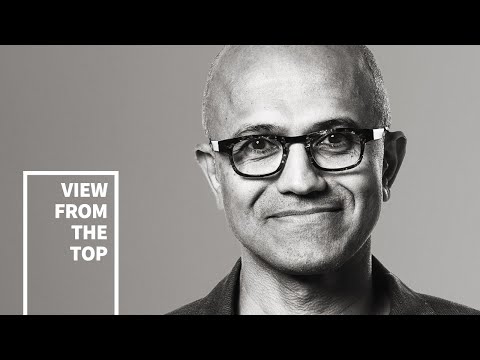
Start with the personal philosophy behind Nadella’s leadership.
The lesson
Nadella treats empathy as a practical leadership capability because it changes how a leader sees other people, not just how a leader sounds. In these conversations, he ties empathy to his own development and presents it as an active pursuit in how he relates to people around him, not a slogan or personality trait1. That framing matters because it makes empathy something to practice deliberately in leadership decisions.
He also connects empathy to authenticity. When he became CEO, he was advised not to copy prior leaders but to lead as himself, and that gave him a basis for building a style rooted in his own experiences and convictions2. The point is not self-expression for its own sake; it is that durable leadership starts from an honest understanding of who you are and how you see others.
In Nadella’s account, empathy became sharper through family life, especially raising a son with cerebral palsy, and that personal change carried into how he listened to customers and colleagues. The recordings make clear that he sees this as central to innovation: if you want to build useful products, you must understand needs that may not be obvious at first1. Empathy therefore helps leaders move from assumptions to insight.
He is equally clear that empathy is not softness or lowered standards. In his stories about sports and work, leadership includes judgment, challenge, and protecting another person’s confidence so they can contribute over time, not just in one immediate moment. This shows why empathy is operational: it helps leaders decide when to push, when to listen, and how to build people for the long run.
Finally, Nadella links empathy to culture. A learn-it-all culture depends on humility, inclusiveness, and respect for other people’s views and histories; without that, real empathy is hard to develop456. For him, empathy scales through culture when leaders create conditions where people feel seen, can keep learning, and can align around a shared mission.
5 principles from Satya Nadella
Lead from your own identity
Nadella’s view is that effective leadership starts by not imitating someone else. Apply this by identifying the experiences and values that genuinely shape how you make decisions, then leading consistently from them.
“Don't try to be like us.”
Treat empathy as a tool for understanding needs
Empathy helps leaders see what customers, colleagues, or teams actually need instead of projecting their own assumptions. Use it by listening for context, constraints, and unspoken problems before jumping to solutions.
“My pursuit is, is there growing sense of empathy for people around me.”
Build confidence for the long term
Empathy does not mean avoiding hard calls; it means making them with awareness of how people grow and contribute over time. In practice, balance performance demands with actions that preserve trust and confidence.
Create a learn-it-all culture
Empathy scales when a team values humility and learning over certainty and ego. Encourage questions, curiosity, and inclusiveness so people can adapt and understand perspectives beyond their own.
“Let's not be know-it-alls, let's be learn-it-alls.”
Start empathy with respect
Nadella argues that empathy needs a prior condition: respecting another person’s point of view and history. A simple way to apply this is to pause before disagreement and ask what experience may be shaping the other person’s stance.
“It's a great question, because in fact, it is such a big word, and it is hard. In fact, even recently at Microsoft, we realized that it's important for us to even understand what are the necessary conditions to even develop empathy. So one of the words we have put into our sort of parlance is respect. For example, if you don't start from a place so having some respect for the other person's views, where they come from, their complete history, it's really hard to develop empathy.”
In his own words
The quotes behind the lesson, word for word from the transcripts. Numbers match the lesson above.
“My pursuit is, is there growing sense of empathy for people around me.”
“Don't try to be like us.”
“Let's not be know-it-alls, let's be learn-it-alls.”
“The real currency of a culture is inclusiveness.”
“It's a great question, because in fact, it is such a big word, and it is hard. In fact, even recently at Microsoft, we realized that it's important for us to even understand what are the necessary conditions to even develop empathy. So one of the words we have put into our sort of parlance is respect. For example, if you don't start from a place so having some respect for the other person's views, where they come from, their complete history, it's really hard to develop empathy.”
Reflect
- Where in your work are you relying on assumptions about what people need instead of evidence from listening closely?
- What personal experience has most changed how you understand other people, and how could that experience make you a better leader?
- Think of a recent tough decision involving someone else’s performance or confidence. How would an empathetic but still demanding leader have handled it?


