Stocks Are Businesses
Start with Lynch’s most basic idea: a stock is not a ticker, it is ownership in a company.

“From when I started out, you would buy a small company, you'd buy an option, the money eventually would help the company. Now, it’s turned to people buying—you would actually own part of the company. If you wanted to speculate, now people are buying options on whether General Motors are going to go up or down. That doesn't benefit General Motors. That’s like betting whether BU is going to beat BC in a hockey game. None of the money gets to BU or BC. That’s what the stock market has become. People are buying options on whether Sears is going to go up or down the next three months. I mean, that’s a tragedy.”Television interview, 1990 · 0:46
The lesson
Lynch’s starting point is simple: a stock is ownership in a business, not a chip in a game. That is why he keeps returning to the idea that you must know what you own and why you own it, whether it is a single stock or a fund. If you cannot explain the business and your reason for owning it in plain language, your decision is probably resting on price action or excitement instead of analysis23.
From that view, a valid stock thesis has to be tied to the company itself. Lynch explicitly rejects owning something just because you think the price will rise; that is not a reason, it is a hope45. His test is practical: explain the idea to an 11-year-old in two minutes or less. If you can do that, you are more likely to be focused on what the business does, how it makes money, and what has to go right.
He also argues that these rules do not change much across market eras. The basic discipline of knowing what you own, having a reason for owning it, and judging stocks through business results rather than hype worked in the past and will still matter in the future67. That matters because investors are often tempted to believe each new market environment has made old principles obsolete, when Lynch’s point is that ownership, profits, and balance sheets still drive outcomes over time7.
This business-first mindset also explains why Lynch dismisses macro forecasting as a central investing tool. He says spending time predicting the economy is mostly unhelpful, especially when compared with learning what actual companies are seeing in their operations89. In the same spirit, he criticizes the shift toward treating markets like short-term wagers on price moves instead of claims on productive businesses10.
Finally, seeing stocks as businesses changes how you handle volatility. If the company is sound and your thesis is intact, declines are not automatically signals to panic; they can be opportunities created by the market’s swings11. But that only works if you truly understand what you own, because price drops test conviction and stomach more than intelligence1112.
5 principles from Peter Lynch
Know what you own
Before buying, be able to describe the business, not just the ticker. Your reason for owning it should come from the company’s economics or prospects, not from noise about the market.
Tie every stock to a simple thesis
A good thesis is short, concrete, and understandable in plain language. If you cannot explain it simply, you may not understand the business well enough to own it with conviction.
“You ought to be able to explain to an 11-year-old in 2 minutes or less why you own it.”
Price momentum is not an investment reason
Buying because you expect a stock to rise is not the same as having a business case. Start with what the company does and what has to happen operationally for the investment to work.
“…this sucker's going up" is not a good reason.”
Treat investing rules as durable
Lynch’s core view is that the essentials of investing do not change much from one era to another. New market stories can be distracting, but the need to understand the business and your reason for owning it remains constant.
“The same rules applied 50 years ago applied 5 years ago, applied 20 years from now.”
Focus on businesses, not forecasts
Do not center your process on predicting recessions, rates, or market moves. Spend more time on what companies are actually experiencing and whether the underlying business is strong enough to justify ownership.
“I think it’s a waste to spend any time predicting the economy.”
Moments to watch
In his own words
The quotes behind the lesson, word for word from the transcripts. Numbers match the lesson above.
“You ought to be able to explain to an 11-year-old in 2 minutes or less why you own it.”
“I think the same rules applied 50 years ago, applied five years ago, apply 20 years from now. Yeah, first of all, you have to know what your own—whether it's a fund or stock—and have to have a reason for it, and you oughta be, I'll explain to an eleven-year-old in two minutes or less why own it. And "this sucker's going up" is not a good reason. I've tried that one; that doesn't work.”
“…this sucker's going up" is not a good reason.”
“I think the same rules applied 50 years ago applied 5 years ago, applied 20 years from now. Yeah. First of all, you have to know what you own, whether it's a fund or stock, and you have to have a reason for it. And you ought to be able to explain to an 11-year-old in 2 minutes or less why you own it. Saying, "And this sucker's going up," is not a good reason. I've tried that one. It doesn't work.”
“The same rules applied 50 years ago applied 5 years ago, applied 20 years from now.”
“I think the same rules applied 50 years ago, applied five years ago, apply 20 years from now.”
“I think it’s a waste to spend any time predicting the economy.”
“I don’t remember anybody telling me about that. I never got any phone calls two years before that saying we’re going to have this incredible recession. I didn’t read about that anywhere, so I think it’s a waste to spend any time predicting the economy. When I talk to CEOs and they tell me the corporate business stinks, that’s economics to me. When I talk to General Motors, they say steel prices are going down, that’s economics. When somebody tells me next year we’re going to have a recession, that’s weather forecasting, you know, it’s totally useless.”
“From when I started out, you would buy a small company, you'd buy an option, the money eventually would help the company. Now, it’s turned to people buying—you would actually own part of the company. If you wanted to speculate, now people are buying options on whether General Motors are going to go up or down. That doesn't benefit General Motors. That’s like betting whether BU is going to beat BC in a hockey game. None of the money gets to BU or BC. That’s what the stock market has become. People are buying options on whether Sears is going to go up or down the next three months. I mean, that’s a tragedy.”
“If you like a stock at 14 and it goes to 6, that's great. You understand the company, you look at the balance sheet, and they're doing fine. You're hoping to get to 22 with it. 14 to 22 is terrific. 6 to 22 is exceptional. So, you take advantage of these declines. They're going to happen. No one knows when they're going to happen. It'll be very—People tell you about it after the fact that they predicted it, but they predicted it 53 times. And, uh, so, you can take advantage of the volatility in the market if you understand what you own.”
“The key organ in your body in the stock market is your stomach.”
Reflect
- Pick one stock or fund you own or might buy. Can you explain to an 11-year-old, in two minutes or less, what it is and why you own it?
- Have you ever bought something mainly because it seemed likely to go up? What business facts were missing from that decision?
- Where do you spend more time today: on forecasts about the economy and market, or on understanding specific companies? What would Lynch tell you to change?
Check your understanding
Go deeper
 Peter Lynch on Investing Basics: Know What You Own1994 · 61 min · full transcript
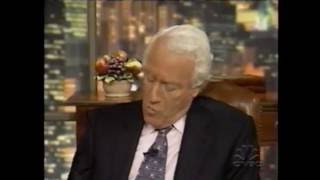 Peter Lynch on Long-Term Investing: Buy Stocks, Not Hype2002 · 15 min · full transcript
 Peter Lynch on Long-Term Investing: Stocks Are Not Lottery Tickets1989 · 16 min · full transcript
 Peter Lynch on Investing Philosophy: The Market Is Not the Economy1990 · 7 min · full transcript