How does Neil deGrasse Tyson think people should handle new tasks at work?
Neil deGrasse Tyson says the best workers respond to unfamiliar tasks with curiosity instead of defensiveness. Rather than saying a job is not in their description, they should think, "Great, let me figure it out." Tyson sees that attitude as a sign of a person who keeps learning and adapts to change.
“That's one kind of person in a workplace. Another kind of person is, "But here's a new task. I need you to do it." "Wow, I've never seen that before. Great! Let me figure it out." They’re two completely different species of human being. And what the world needs more of is the second case, where you take a new task and you say, "Wow, I get to learn. I'm going to learn on my own. I'll ask people who know more." You just—you just embrace the act of learning to satisfy your curiosity.”
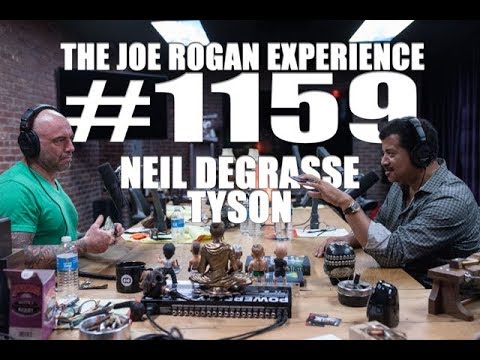
Key takeaways
- Welcome new tasks as chances to learn.
- Ask others when you don't know something.
- Be the kind of worker who adapts to change.
Context
In the middle of a discussion about lifelong learning and how education should prepare people for changing work. The quote above is taken word for word from the recording's transcript.
In the transcript
…you're done. And if it doesn't, you're ossified in line. And that's how, when the job market shifts, you're not ready for it, because you don't know how to think, you don't know how to learn, right? No, and it's the difference in the workplace between the person who gets an assignment. "I, Joey, Janet, I need you to do this." "That's not in my job description. I'm not trained
That's one kind of person in a workplace. Another kind of person is, "But here's a new task. I need you to do it." "Wow, I've never seen that before. Great! Let me figure it out." They’re two completely different species of human being. And what the world needs more of is the second case, where you take a new task and you say, "Wow, I get to learn. I'm going to learn on my own. I'll ask people who know more." You just—you just embrace the act of learning to satisfy your curiosity.
Sorry, you're alive. Can I say—can I say [ __ ]? I could say it. Isis, we're human. People think you're a robot; now they know. This is, it's a great sign, I think. And I think your podcast is a great sign as well: the success of your podcast and the success of a lot of science podcasts. That's excellent. You notice that there's a rise of science-curious podcasts…
Topics
What others said about career & purpose
More questions about Neil deGrasse Tyson
- What did Neil deGrasse Tyson say about energy competition and oil?
- Why does Neil deGrasse Tyson think space exploration is worth funding?
- What did Neil deGrasse Tyson say about science and the economy?
- What did Neil deGrasse Tyson say about science denial?
- What did Neil deGrasse Tyson say about a black hole discovery that seemed impossible?
- What did Neil deGrasse Tyson say about how science discovers new things?
All Neil deGrasse Tyson answers · All Neil deGrasse Tyson recordings
How this answer was made: the quote is checked word for word against the transcript of the recording and confirmed as the speaker's own words; the summary above it was drafted with AI from that transcript and quality-checked. Methodology and corrections.