Face Power and Criticism
Learn how Bezos explains competition, market power, sellers, critics, and trust.

“Well, I say that's not acceptable. If we aren't listening to you, I'm not happy about that at all. And, but I do, you know, if you allow me to disagree a little bit with a piece of this, I do not think that's systematically what's going on, and the evidence that I would suggest would be useful for you to consider in that regard.”House Judiciary Committee hearing, 2020 · 2:55
The lesson
Bezos’s public defense of Amazon’s scale starts with a framing choice: he argues that success comes from serving customers well, not from locking up a market. In the antitrust hearing, he says customer obsession and earned trust explain Amazon’s growth, and he pairs that with the claim that retail is large and competitive rather than winner-take-all13. The practical lesson is that when a company gets large, its strongest defense is not size by itself but a clear account of how that size improves the customer experience.
That same logic explains his view of third-party sellers. Bezos says Amazon opened its store to outside sellers because combining Amazon’s store with third-party selection would serve customers better, and because the opportunity could grow for both Amazon and sellers rather than forcing one side to lose45. So his argument is not just that sellers are present on Amazon, but that the marketplace model was a deliberate choice based on customer benefit and a non-zero-sum view of growth.
At the same time, Bezos does not defend every anecdote or complaint. When presented with a specific seller story, he says that kind of treatment is not acceptable and asks to understand the case, while also arguing that such stories do not prove the whole system is abusive678. This shows a pattern: acknowledge concrete failures, investigate them seriously, but do not let one anecdote automatically define the overall reality if broader evidence points elsewhere9.
His rule for criticism follows the same structure. Bezos says critics should change your mind when they are right, but not when they are simply pulling you toward their own interests; in those moments, you have to stay focused and accept being misunderstood1011. That is why he keeps returning to customer obsession over competitor obsession: external noise can be intense, but the useful test is whether the criticism reveals a real customer problem or just a distracting battle over perception121314.
For learners, the chapter’s deeper idea is about trust under pressure. Bezos describes trust as something earned slowly by doing hard things well, and he applies that logic both to customers and to public controversy. If you face criticism, the question is not whether criticism exists; it is whether the criticism uncovers a real failure you should fix, or whether staying the course is the more trustworthy move in the long run10.
5 principles from Jeff Bezos
Defend scale by showing customer benefit
If your organization is large or powerful, explain that position in terms of the value delivered to customers, not just growth or market share. Apply this by tying your decisions back to trust, service, selection, price, or other concrete customer outcomes.
“Customer obsession has driven our success.”
Treat markets as expandable, not automatically zero-sum
Bezos argues that inviting third-party sellers into Amazon’s store could make the whole pie bigger. In practice, look for models where partners, suppliers, or complementors can succeed alongside you because that improves the end customer experience.
“20 YEARS AGO, WE MADE THE DECISION TO INVITE OTHER SELLERS TO SELL IN OUR STORE. TO SHARE THE SAME VALUABLE REAL ESTATE WE SPEND BILLIONS TO BUILD MARKET AND MAINTAIN. WE BELIEVE THAT COMBINING THE STRENGTHS OF AMAZON'S STORE WITH THE VAST SELECTION OF PRODUCTS OFFERED BY THIRD PARTIES WOULD BE A BETTER EXPERIENCE FOR CUSTOMERS. AND THAT THE GROWING PIE OF REVENUE AND PROFITS WOULD BE BIG ENOUGH FOR ALL. WE WERE BETTING THAT IT WAS NOT A ZERO SUM GAME. FORTUNATELY, WE WERE RIGHT. THERE ARE NOW 1.7 MILLION SMALL AND MEDIUM U SIZED BUSINESSES SELLING ON AMAZON.”
Separate specific failures from systemic claims
When a troubling anecdote appears, do not dismiss it, but do not assume it proves the whole system either. Investigate the case, fix what is wrong, and then ask what the broader evidence says about the pattern.
“It does not at all to me seem like the right way to treat her…”
Listen to critics when they are right
Criticism is useful when it exposes a real flaw in your decisions or execution. Use criticism as diagnostic input: if it reveals a genuine customer or trust problem, change course; if not, stay focused.
“If you can't afford to be misunderstood, then for goodness sake, don't do anything new or innovative.”
Be willing to be misunderstood for the right reasons
New or unpopular decisions often trigger backlash even when they are grounded in principle. If you have examined the criticism carefully and still believe the decision serves trust or customers, hold steady instead of managing optics alone.
Moments to watch
In his own words
The quotes behind the lesson, word for word from the transcripts. Numbers match the lesson above.
“Customer obsession has driven our success.”
“OUR APPROACH IS WORKING. 80% OF AMERICANS HAVE A FAVORABLE IMPRESSION OF AMAZON OVERALL. WHO KNEW AMERICANS TRUST AMAZON TO DO THE RIGHT THING? ONLY THEIR DOCTORS AND THE MILITARY. THE RETAIL MARKET IS EXTRAORDINARILY LARGE AND COMPETITIVE. MORE THAN 4% OF U.S. RETAIL. THERE'S ROOM IN RETAIL FOR MULTIPLE WINNERS. WE COMPETE AGAINST LARGE PLAYERS LIKE COSTCO, KROGER AND OF COURSE, WALMART.”
“20 YEARS AGO, WE MADE THE DECISION TO INVITE OTHER SELLERS TO SELL IN OUR STORE. TO SHARE THE SAME VALUABLE REAL ESTATE WE SPEND BILLIONS TO BUILD MARKET AND MAINTAIN. WE BELIEVE THAT COMBINING THE STRENGTHS OF AMAZON'S STORE WITH THE VAST SELECTION OF PRODUCTS OFFERED BY THIRD PARTIES WOULD BE A BETTER EXPERIENCE FOR CUSTOMERS. AND THAT THE GROWING PIE OF REVENUE AND PROFITS WOULD BE BIG ENOUGH FOR ALL. WE WERE BETTING THAT IT WAS NOT A ZERO SUM GAME. FORTUNATELY, WE WERE RIGHT. THERE ARE NOW 1.7 MILLION SMALL AND MEDIUM U SIZED BUSINESSES SELLING ON AMAZON.”
“We were betting that it was not a zero sum game.”
“It does not at all to me seem like the right way to treat her…”
“I don't even understand what's going on in that anecdote…”
“I do not think that's systematically what's going on…”
“…third-party sellers in aggregate are doing extremely well on Amazon…”
“If you can't afford to be misunderstood, then for goodness sake, don't do anything new or innovative.”
“…you have to be willing to be misunderstood…”
“…you need to harness that energy primarily on your customers instead of on your competitors…”
“…customer obsession as opposed to competitor obsession…”
“I said, "Look, it's okay to be afraid "but don't be afraid of our competitors "because they're never gonna send us any money, "be afraid of our customers. "And if we just stay focused on them "instead of obsessing over this big competitor "that we just got, we'll be fine." And I really do believe that. I think that if you stay focused and the more drama there is and everything else, no matter what the drama is, whatever the external distraction is, your response to it should be to double down on the customer, satisfying them, not just satisfying them, delighting them.”
Reflect
- Think of a criticism you or your team recently received. Did it reveal a real failure to fix, or was it mainly pressure to serve someone else’s interests?
- Where in your work are you acting as if success is zero-sum? How might a bigger-pie approach create more value for customers and partners at the same time?
- What is one decision you believe is right but fear will be misunderstood? What evidence would help you tell the difference between stubbornness and principled focus?
Check your understanding
Go deeper
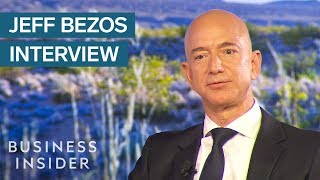 Jeff Bezos on Customer Obsession: Why Amazon, Not Competitors, Wins2018 · 49 min · full transcript
 Jeff Bezos on Antitrust and Market Power: Amazon, Customers, Day One2020 · 327 min · full transcript
 Jeff Bezos on Amazon Marketplace Power: Antitrust Testimony2020 · 6 min · full transcript
 Jeff Bezos on Growth and Space: Save Earth, Build Upward2026 · 66 min · full transcript
 Jeff Bezos on Tax Progressivity: Who Should Pay?2024 · 6 min · full transcript
 Jeff Bezos on Leadership: Customer Obsession and Day One2018 · 56 min · full transcript
- What did Jeff Bezos say about Amazon's competition in retail?
- What did Jeff Bezos say about dealing with competitors and criticism?
- What did Jeff Bezos say about third-party sellers on Amazon?
- What did Jeff Bezos say about Amazon having monopoly power over sellers?
- What did Jeff Bezos say about Amazon not listening to small businesses?
- What did Jeff Bezos say about Amazon’s market power and monopoly claims?