Elon Musk on AI Safety and Free Speech: We Need Insight, Not Nothing
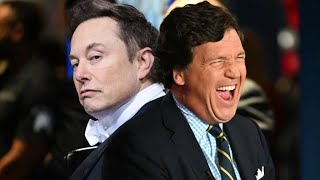

What Musk talks about
Elon Musk spoke with Tucker Carlson on Fox News on April 17, 2023, about AI safety, proposed regulation, Twitter, free speech, and transparency in public discourse.
Also known as: Elon Musk Interview With Tucker Carlson; FULL Elon Musk Interview with Tucker Carlson; Elon Musk tells Tucker potential dangers of hyper-intelligent AI.
Musk says the biggest immediate risk from AI is that it is advancing faster than public oversight, and he argues the U.S. should create an AI regulatory body that starts with “insight” into what companies are doing. He frames regulation as a way to prevent dangerous cutting corners rather than to slow innovation for its own sake.
He also defends X as a platform built around free speech within the law, saying transparency and open-source algorithms are essential if people want to know what is happening in public life. In his view, censorship and selective enforcement of laws are becoming a political weapon.
A major theme throughout is that free speech, fair rules, and institutional trust are connected. Musk argues that without those safeguards, both democracy and serious technological progress are at risk.
Musk speaks throughout, with an interviewer prompting and challenging him.
In his words
“I think we should have something above nothing.”
“We open source our algorithm.”
“Those who want to push lies obviously hate truth and transparency.”
“If we don't have free speech, we don't have democracy”
Key points
- AI is moving fast enough that governments should begin with oversight and “insight” into company practices.
- He wants AI companies to agree on baseline rules, similar to how sports leagues define the game.
- X should follow the law in each country, but otherwise remain committed to free speech and transparency.
- He argues that lawfare and selective prosecution are being used against his companies and political opponents.
- Musk says regulation should not become a tool for politically motivated control.
- He believes free speech is necessary for democracy because voters need information to make informed choices.
Full transcript: Elon Musk, Tucker Carlson interview (2023)
If he loses, man, what? It does seem that way. You can't just be like, you can't just be like, "Yo, yeah." I'm like, "How long do you think my prison sentence is going to be? Do you think, 'Will I see my children?'" I don't know. 'Cause it's not like you can say, "Well, yeah, I maxed out to him, but you know, I get you." I have no plausible deniability. No. No. And I've been trashing Kamala nonstop. Oh, I know. Well, not the Kamala puppet. I call her, you know, the machine that the Kamala puppet represents. Yeah, she's irrelevant. I mean, she's not even—No, no. Like, I made a joke which I realized I deleted. Um, which is
like nobody's even bothering to try to kill Kamala 'cause it's pointless. What do you achieve? Nothing. Find another puppet. Exactly. That's—it's no point. You actually put that up? Yeah. Now, some people interpreted it as I was calling for people to assassinate her. But I was like, nobody even, you know—You know, I was like, doesn't it seem strange that no one's even bothered to try? It's not worth it. I mean, there's an endless supply. Yeah. Like nobody would. It's absurd, but it could be anybody. Yeah. Yeah. You—Nobody's going to try to—Nobody tries to assassinate a puppet. Of course not. Um, a marionette. Yeah, a
marionette. It's just like, you know, it's hilarious. She's safe. Like, I—I like to try to kill Trump twice with actual guns and bullets. Um, oh, yeah. Start in the air right in [ __ ] Butler where I was. And uh, he doesn't seem rattled. It's weird. Does he to you? It doesn't seem what? Rattled. Uh, he—I mean, he has the constitution of an ox. It seems, um, you know, it's not like working out and eating healthy and he's—Okay, we got to tape this. Oh yeah, we're good. Oh, good. So—So he's not like, "Let me eat another salad."
That's not—No. Or, or out, you know, fidiously. That's—he, he—I feel like he doesn't work out and he eats, you know, cheeseburgers and Diet Coke and stuff, and because it just—I think he just inherently has a strong constitution. So and you—I mean, you were just with him; he didn't seem like a man who'd been the subject of two assassination attempts. No, he seemed, uh, of, you know, sound mind and body and, uh, strong backbone. Did you, um—I mean, that's what I said in the thing when—and the remarks I made there were impromptu. There was no teleprompter or anything. I just—I was just speaking extemporaneously. Are you the only rich guy who doesn't
have like a media consultant? No media consultant. Yeah. No, I've noticed obviously. Yeah. Yeah. I—I mean, no, I just um—No, I just thought about what I want to say and I just spoke off the cuff. Uh, no teleprompter, nothing. Good for you. Yeah. I can talk. Just look like I'm—like right now I'm just talking. Look at me. Wow. Amazing. Can you believe it? I can talk without a teleprompter. That's crazy. But if he loses, it's going to be hard for you to pretend you never supported him. (laughter) All in. All in. In the deep end. Yeah. No, you are definitely in the deep end. You cannot
touch bottom. No. No. I'm—I'm like, I'm like rolling around. I'm going—I'm like picking mud. I'm like all in, baby. Is it fun? Yeah, it's pretty fun. How? I mean, I mean there may be some—in the hopefully unlikely event that he loses, there may be some vengeance, uh, on me. Were you kidding? I don't—I mean, it's possible. It's possible. You've got to be one of the biggest government contractors. We do essential work for the government. Yes. Yeah. It's sort of like, you know, uh, we do useful, essential work, right? Um, that we compete for and win contracts on because our product is much better and costs less.
That's why we get government contracts. And, and I mean, if you take for example the, um, the NASA contract to transport astronauts to and from the space station, uh, Boeing got NASA awarded two contracts at the start: one to Boeing and one to SpaceX. Boeing was awarded twice as much as SpaceX. SpaceX has done all the astronaut transport, uh, from the space station and Boeing has only done one transport of one of two astronauts to the space station and we have to bring them back. Boeing got twice as much as SpaceX. There's this total misunderstanding that my companies have been subsidized and supported by the government and get all these and and—
it's like, do you really think that a Biden administration is going to subsidize me? Probably not. Are you kidding? No. In fact, uh, they take away every contract they possibly can. Uh, so there, for example, there was the FCC contract, uh, $42 billion for providing rural broadband. Yes. Okay. Uh, we actually first said, look, we don't—we think there shouldn't be any subsidies. So we recommend this—that this program just does not exist. Um, but since you're insisting that it exists, we will compete. Um, and we have better products. So we won, I don't know, about a quarter of it, um, which would
have included the devastated areas like North Carolina and stuff. And, um, the FCC took it away illegally. They just voted three out of five commissioners voted away and said, "Even though you want it, we're sending it on what ground?" And do you know how many people they have connected? How many? Zero. So you think that was political? Well, the three Democrats voted against it, right? And the two Republicans voted for it. So you tried to get Starlink, you tried to get Starlink into North Carolina, into western North Carolina, the areas devastated by the hurricane. We have got it; it is in there and it is the primary means of communication in the devastated areas. You had conflict with Buddha Judge over
This. Well, I, I, I raised a concern. I said, look, we've, we, we had delivered, we've been delivering Starlink terminals there for a while and obviously some people already had them, um, since they just, you know, consume private individuals that had Starlink there already. Um, we delivered, uh, um, really thousands of terminals, u, and got all the way up to the, you know, the areas where they wouldn't let us go any further and then we're like, okay, we're going to send helicopters in, uh, and, and, and find people who are stranded and, and give them Starlink terminals, which I think is, you know, a nice thing to do. Okay. They wouldn't let us land, um, because the there was an FAA, uh, notice to
M and NOTAM that said in order to land you have to know who you're going to meet with, uh, to land. Now, the problem is we're trying to deliver internet communications. People don't have internet communications. We don't know who they are but then they can't reach us because they don't have communications. Do you see the catch-22 there? Yes, I do. Insane. So, so it's obviously impossible for people who don't have internet communications to let us, to, to let us know who they are because they don't have the internet. Yes. Yes. And so, um, did you explain this to the federal government? Yes. What did they say? They, they, they fixed it. How was Bhattacharjee when you talked to him? It was actually
good. So, I want to be just—I want to give Bhattacharjee some credit here. Um, first a, you know, when I complained about it, he, he, he reacted in a very level-headed way and he reached out to me and he called me. Yeah. Uh, and we, we discussed the issue, got to the bottom of it, and he fixed it. Good. So, credit to Bhattacharjee. Yeah. Well, and to you for pushing it. Yeah. I mean, so, but as soon as he was aware of the problem, he fixed it. Well, you publicized it, too, on it. Yeah. Yeah. As soon as you shamed him. Well, but I do want to give credit where it's due, too. Yeah. No, amen. I agree completely. So, but back to the original question, you know, about the potential consequences if, you know, having gone
all in, this doesn't work. Yeah. Um, I mean, you had to have thought about this long and hard before you did it. What was your thinking? I mean, my view is that if Trump doesn't win this election, it's the last election we're going to have. Um, that, uh, the Democrats, the Dems, um, has been, uh, importing so many people, bringing in so many illegals, flying, flying in with this, like, CBP border app thing that nobody even knew about, like secret program that's illegal. Basically, it's, it's illegal, but there's no action by DOJ to actually to, to stop it from happening. They're, um, transporting
uh, large numbers of illegals to swing states. Um, if you look at the numbers, these are the numbers from the government website. So, like, from the Dem Democrat administered government websites. Like, where do you get this data? From the government website that is run by Democrats. Um, and, uh, there are triple-digit increases in illegals to all the swing states. And in some cases it's like 700% over the last three years. Now these swing state margins are, you know, sometimes 10, 20 thousand votes. So what happens if you put, you know, hundreds of thousands of people into each swing state, uh, and, and, and, and for when somebody is granted asylum they are
fast-tracked that they, they, they, they get, can get a green card and then five years after the green card, uh, they can get, they can get citizenship and they can fully legally vote. And when they do so, they vote overwhelmingly Democrat. And, and sometimes I get this rebuttal of like, well, a lot of them their social values don't align with sort of the far-left sort of woke ideology. I said, that's true, but, um, but that's not their top priority. Their top priority is getting their friends and family also to the United States. Uh, and the, the Dems also issue all these programs, these sort of handouts essentially that make them beholden to the Democratic Party. So they vote Dem. That's what happens. So my prediction is
if there's another four years of a Dem administration, they will legalize so many, uh, illegals that are there, uh, that the next election there won't be any swing states and it's and will be a single party country just like California is a single party state. It's a supermajority Dem state in California because of immigration. Yes. California was, uh, fairly reliably Republican. Um, Bill Clinton lost California in '92 and won West. Yes. Um, so there was a 1986 amnesty. Yes. Um, uh, and and, um, thereafter California trended very
strongly Dem. Uh, I think 65, 70%, Dem something like that. It's super-majority Dem like the California legislature is more than two-thirds Dem. Um, has it improved the state? No, it's, it's not. Um, and they, they California just passed, which is shocking. It's hard to believe this even is even real, but California just passed a law making it illegal, uh, to require voter ID in any election at all in California. You didn't know that? No. Yeah. Newsom signed it into law last week. It's illegal to require an ID in any election, even a town council. And a friend of mine who was this can
who lives in Palo Alto was like is, was like is this actually real? And he went to like vote in like some city council election. He tried to show them his ID and they said, "We're not even allowed to look at your ID." Have they extended the same actually what's going on right now? By the way, they're proud of it. They're not hiding it. It's only voting. It's not buying a gun or buying liquor or buying a pack of cigarettes or flying on an airplane or renting a hotel room. It's only voting that it's illegal to—Oh, if you try to buy a gun, I mean, they're going to ID you six ways a Sunday. Uh, yeah, they try. California is trying to make it basically legal to own, to own a gun. Um, and, and the same people that demanded vaccine IDs for if you want to travel or do anything are the same ones who say no voter ID is
Required. Is there any reason obviously hypocritical to pass a law like that except to abet voter—um, it's, it's for, it's, it's so that fraud can never, cannot be proven. So it, it, it enables large scale fraud and no way to prove it because how would you prove it? It's literally impossible. No, no ID. You, you're not even allowed to show your ID. It's insane. Well, it is insane. The purpose of no voter ID is obviously to conduct fraud in elections. Obviously, there can be no other explanation. I mean, they come up with some nice-sounding thing. Um, people don't have IDs. Could you live in this country without an ID? Yeah. I mean, their common rebuttal is like it's racist to require ID, and which is insane. I think
it's actually racist and patronizing to say that people can't figure out how to get ID, obviously. But how could you live here without an ID? I don't think it's even possible. Yeah, you can't do anything. You need ID for everything. Like the list of things you need ID for is basically everything, um, except voting. So you see the rest of it’s total [ __ ] obviously. Obviously. Yes. But that doesn't in any way minimize the aggression or self-righteousness they bring to this conversation. Yes. It's, you're a racist if you want that. Right. Whereas in fact, obviously someone is racist if they say that, uh, people of a particular race cannot get ID. That's patronizing and racist. That's absurd. Yes. Yes. You know, it's like when the governor of New York said
people in the, you know, ghetto don't know how to use computers or something like that. I mean, like, you know, super out of touch. So, it's like a lot. So, there's a really clear template. She doesn't know how to use computers, but they do. Obviously, I don't think Hokll could use a computer. Yeah. I don't think she does. She's not qualified intellectually. Yeah. No, probably not. But not everyone in New York is as dumb as Kathy Hokll. I think that's true. Yeah. Um, so you see the other 49 states becoming California if the machine wins. Well, you don't need, uh, all, all 49 to go that way. You just need, you know, enough to have the election. Have they not been swinging states? I mean, there are only six swing swing states. Yep. So, there are only six states out of 50
right now that are in contention. So if those six states that are in contention, uh, by narrow margins, are no longer in contention, then, uh, the only contest will be for who wins the Democratic primary. That's how it is in California. That's how it is in New York. There's no, there's no party, uh, party versus party situation. The only contest is who wins the Democratic primary. And as we've seen with the, um, uh, appointment of Kamala, who no one voted for even in a Democratic primary. Yes. Where's the democracy here? Well, it's just... It's easier though. I mean, it's just the Dem Party elite just
decides who, who, who is in charge. That's, that, that, that's a, you know, a tiny oligarchy basically comprised of—that's not democracy. The richest people in the country. That's kind of the interesting part to me is that the richest people in the country are on board with this. I mean, that's what it is. It's a collection of billionaires. Most of them are. Yeah. But you're not. Not me. And not everyone is. I think there's, but, but it is a shocking number of so-called billionaires are, uh, in the Dem more than are in the Republican camp. Oh, for sure. Which is wild. So, in fact, the astonishing thing in the swing states is that, that it's, that they're even a
contest given that, uh, that the Dems have far more money than the Republicans. So, the Kamala dramatically outspends the Trump campaign in the swing states. Um, the, uh, overwhelming—the media is overwhelmingly pro-Democrat. So you got, you know, the, the press, you know, is a a damn cheering squad. Um, and, um, you know, so—Oh, and then, and then you've got, all, all, all the almost all the Hollywood and entertainment, the celebrities also, you know, endorsing Kamala and being pro-Dem. So, so, you got, so you got the celebrities, you got the, they got the
money, uh, they got, um, got the basically everything on the side of the Dems. The Republican is the underdog here. Trump's underdog in swing, swing states and still it's contentious. It's still 50/50 after all that. What does that tell you? It tells me that if, if people actually knew what was going on, they weren't being fed non-stop propaganda, it would be a landslide in favor of Republicans. Yeah. But why not join the easier side? I mean, you're just, you're creating problems for yourself by getting on stage with Trump and I mean, you must have had friends who said that to you. Sure. Yes. Yeah. People care about you. Like, why even get involved in this?
Well, I get it because I, I, I think we want to remain a democracy and we don't want to become a one-party state. Yes. That's the reason. Um, and the, it's the exact opposite. They, the people call Trump a threat to democracy and the people who are saying Trump's a threat to democracy are themselves the threat to democracy. Yes. Um, one-party rule is not democracy. Uh, one party where essentially the party elite pick a candidate, as happened with Kamala, is not democracy. Where did the people vote? Show me where the people voted. No, there were no people voting. It was all just party elite that just appointed someone. Um, and, and, and when the, when the Biden puppet, uh, when the pro-Biden puppets, uh, ratings sagged, they knocked
Him in the back immediately and just tossed him out. And put a new puppet on. That's exactly what happened. Tell me I'm wrong. Well, not only are you right. I mean, it's almost not even worth criticizing Kla Harris because what does she have to do with it? There's no point in criticizing. She, she's, she's simply the face of a large, a much larger machine. Yes. Um, and she will say whatever is whatever the tele, the teleprompter, whatever's on the teleprompter, she's going to say it. Yes. Now, she gets stuck if the teleprompter breaks. That happened recently. I think the teleprompter is stalled and she just, she was just like looping for a while for about a minute. Um, so I think that happened yesterday or something. It was pretty funny to
watch. Um, but she'll just say whatever words are on the teleprompter. So, you know, um, it's really whoever controls the teleprompter is the actual sort of, those, that's who's actually in charge. And who is that, do you think? Well, I've tried to put it down. It's not like any one kind of mastermind. It's not like it, it seems to be, it's like, like um, Kamala is sort of a marionette with, you know, a thousand puppet masters type of thing. Like not, it's or maybe it's in, it's somewhere north of a hundred is what it seems like. Yes. Um, I bet you know 80 of them. I probably
know most of them. Yeah. Yeah. So, I mean just by virtue of your job and what you've been doing for the last 30 years. I mean you. Yeah. Um, and I should say I think you voted for, I'd like to see a matchup of those, quote, the top 100 puppet masters on the FD client list. Do you think there's some overlap? Strong overlap. Strong overlap. When are we going to see that list, do you think? I don't know. It's, it's, it's mind-blowing that they have not tried to prosecute even one. Not even the worst offender on the FD client list. They've not even tried to prosecute even one. Is that, that's insane. Well, because they have a lot of diabetic grandmothers who were outside the Capitol on January 6th. They, they're
kind of occupied. Yeah. I mean, they've put like whatever, five or six hundred January 6 protesters in prison and not one person on the FD client list. Will that ever come out, do you think? You know, I think part of why Kamala is getting so much support is that if Trump wins, that FD client list is going to become public and some of those billionaires behind Kamala are terrified of that outcome. Yeah. Do you think Reid Hoffman is uncomfortable? Yes. And I only asked that because you can sort of just look at them and you're like, that, that's a nervous person right there. I don't know. I mean, I assume you know them. Yeah. Yes. Reid Hoffman was my vice president of business development at PayPal. Yeah.
24 years ago. Um, does he seem nervous to you? Yeah. I mean, he's terrified of a Trump victory because of the disclosure that would follow. I think. Yeah. Yeah, I mean I think he's certainly ideologically not aligned with Trump anyway, but I think he is concerned about the Epstein situation, like something might actually, the DOJ might actually move forward. There are a lot of videos, apparently those rooms on the island and I think out in New Mexico were wired for video, right? And where's the video? I mean between Diddy and Epstein, it's got, there's probably several thousand hours of footage here. Yeah. Yeah. It's kind of weird that the people on those
videos are lecturing the rest of us about our moral failings, isn't it? Yeah, it is weird. What is that? Um, well, I mean, part of how they deflect attention from themselves is by, you know, criticizing the morals of others. Yes. So, it's sort of like a preemptive moral strike. Yes. I mean, as I said, I think those who are saying Trump is a threat to democracy are themselves actually the threat to democracy. It feels like we're getting to a place where the rest of us know too much. Is this, you know what I mean? I mean, it's, it's, it's easier to live in a society where you don't really know what the people in charge are doing or why they're doing it. But now, thanks, I would say, largely to X. Yeah. Um, I think that's fair to say that. Yeah. Uh,
we, we do know a lot. Not everything, but we know a lot. And I wonder where does that, like, what happens next now that we know all this. The kidnapper shown us his face. Like, what happens? Well, I think if, uh, if Trump wins, we can do some house cleaning and shed light on things. And all, all the X platform does is, uh, adhere to freedom, freedom of speech within the bounds of the law. Yes. And if, if people want to change the laws, they, they can change the laws. And so like X in different countries, we — X does censor in, in, in countries where censorship is, is, is the law. Um, we don't try to, you know, p—push American laws
in other countries. Uh, but we do try to stick to the law in any given country. Um, that's all we're doing. Um, uh, we open source our algorithm. Uh, we try to be as transparent as possible. Um, uh, but, uh, those who want to push lies obviously hate truth and transparency. Yes. Because it shows them to be liars. I mean, you look at that, like how outrageous it was that, um, Kla in the presidential debate kept kept pushing the fine people hoax. They know the fine people hoax is, is false. Trump has would never support Nazis at a Nazi rally. It's absurd. And, and he explicitly said that.
You, in that same speech, uh, that you must condemn, not, you know, anyone who has Nazi tendencies with the, uh, in the strongest possible terms, despite knowing that to be false. Uh, the people who, who, who wrote the speech for the KLA puppet, uh, put the fine people hoax in the presidential debate, deliberately lying again. Messed up. If she wins, I mean, how can they let X continue, uh, in its current form, in its current role in American society? They, they, they won't. They will, uh, try to shut it down by any means possible. What do you mean by any means possible? I mean with law, either by... I mean they'll try to pass laws. Uh, they'll try to prosecute the company,
prosecute me. Um, any, I mean, the amount of lawfare that we've seen taking place is is outrageous. Um, I mean, many examples, but like the Department of Justice, for example, launched a huge lawsuit against SpaceX for failing to hire asylum seekers. Come on. Asylum seekers. Asylum, not asylum, those who granted asylum, asylum seekers. Now there's, now there's also a law called International Traffic in Arms Regulations, um, that, because SpaceX develops advanced missile technology that can be used in nuclear ICBMs, um, that we ha, we have to be very careful
with who we hire and we can only hire someone if they're a permanent resident or citizen. That's what the ITAR law says. Then there's another law that says that you cannot discriminate against asylum seekers. So, we're damned if you do, damned if you don't. The DOJ did a massive lawsuit against SpaceX, uh, for failing to hire asylum seekers, even though it is illegal for us to hire asylum seekers under ITAR law. This is an actual thing that that's, that's, that's gone on. Um, and they can only do a a fairly small number of lawsuits every year. So, why'd they pick this one? Because you it's like that famous quote from Barrier, you know, the, yeah. Stalin's like chief torturer and head of the
secret police. Barrier said, "Show me the man and I'll show you the crime." I mean, we have so many laws that it is actually impossible to ex, you know, impossible to to do business, impossible to operate without um being uh violating some law because you have laws like it, the ones I just gave you where where both things are illegal. Yes. They contradict one another. They contradict one another. Um, so you know, it's it's illegal to discriminate against, like, discriminate against asylum seekers in in jobs, but it's also illegal for us to hire asylum seekers. But it just they just chose one. They chose the, the, the, the one law and ignored the other one. And that
Department of Justice at federal level prosecuted SpaceX for that. What do you think? It's mad. Well, it also discredits the idea of law, which some of us want to take seriously. Absolutely. It, it, it this affects both the perception of of American justice and the reality of it. Yes. Um, so no, I'm actually a big fan of the American justice system, and I think on balance, uh, you know, we we've got still, still have an excellent judicial system. We still have judges that care about the letter, uh, and intent of the law. I mean, not just the letter but also the intent. But something that people should be concerned about is that there's an increasing movement to place activists
as judges. This is, uh, if you look at who, who did the Biden administration confirm as federal judges and who are who've been confirmed at the state level in in in sort of followup states. Increasingly it is it is not, uh, judges who uh care about justice or or they don't care about following the law. They care about social justice, not justice justice, right? What they call social, social justice activists as judges. Now you got a real problem. Do you think if if that continues we we will not have a real justice system or a real country?
Yes. Yeah. Um, but again, your purchase of X has been I think it's fair to say, even if I hated it, I would say this because it's true. It's been pivotal in American politics. Yeah. Um, in an American society, uh, do you think they could shut you down if the Democrats continue to hold power? They will unequivocally try. Yeah. Yeah. And and if if if they if they uh if they get a majority in the Senate and House, um, and the presidency, then they can simply pass a law, uh, and delete section 230. So, simply make us liable for what
for what any, what anyone says on a platform with, uh, you know, like at this point almost 600 million monthly active users, which is impossible. H how you know that's that's like trying to regulate speech in city of like a country. Uh, yeah. So a big country. Yeah. Just be instantly bankrupt. But I bet they wouldn't withdraw legal immunity from the vaccine makers at the same time, would they? No, that's unlikely. Just I mean as long as we're withdrawing legal liability protection. Yeah. Yeah. I mean the whole vaccine debate is, is, is a long one. Um you know I'm I'm not actually I'm not antivaccine in general. Um, I think we want to exercise caution
with use of vaccines but, um, in the absence of vaccines, uh, there will be a lot more I think people that that, uh, that have died, you know like we want the smallpox vaccine. That was a good one. It seems a good one. Yeah. Yeah. Yeah. Smallpox will kill you. Killed a lot of people. It killed a lot of people. It used to be people would like a lot of people would die of smallpox and a lot of people would get polio for sure. Yeah. We had a president who had polio. Oh yeah. There's still people you meet people today. Yeah. In their 80s who were limping from childhood polio. Right. It's good that we don't have that. And vaccines, you know, played a major role in that. So that doesn't mean that vaccines should not have any scrutiny. Of course they should. We should be making sure that the quality
Control on vaccines is incredibly good since if we're giving them to children and whatnot. Um, and we shouldn't—we shouldn't force people to take vaccines. Um, that itself is a controversial statement that we shouldn't force people. We shouldn't force people to take vaccines now. Yeah. Um, so just to react, I believe in freedom, like uh, yeah, I've noticed, like, uh, you know, America is supposed to be the land of liberty. Um, you know, uh, freedom, freedom and opportunity. Uh, so that, uh, we try to, as much as possible, maximize people's individual liberty. Um, and that we try to be a country where you succeed based on, uh, your talent and
hard work. Yes. Uh, those are two fundamental values. Um, that's what—that's what's made America great, and if we lose those, our decline will be swift. Um, what do you—if you had to get, if you had to bet, I mean, does freedom reassert itself in America or not? Well, that's why I think part of why this election is so pivotal. I think if we—with a Trump administration, I think we can improve the liberty of Americans. Um, we—we can, uh, I think we need to have sensible deregulation.
Uh, where we—we keep the regulations that matter. Like, we don't want to destroy, you know, important habitats or, yes, you know, encourage oil spills or anything like that. Um, but there are so many regulatory agencies that have overlapping responsibility, um, that we are smothering progress, and we can't build a high-speed rail in America. You look at the ridiculous high-speed rail project in California where they've spent $7 billion and all they've got to show for it is a 1,600-foot section of concrete with no rails on it. There's a picture of it online. It's not that fast yet. You wouldn't say it's high speed at this point or even rail. It doesn't even have rail in it. I maybe by now they put some rail in it, but it's this comically small section of
rail. Uh, $7 billion has been spent, uh, most of it in environmental consulting and, uh, I don't know where, but clearly not in building high-speed rail. Uh, so we can't—we can't. We've got there are so many different regulatory agencies and so many laws and regulations that prevent progress, that if this continues, we simply won't be able to get anything done. It does seem like the engineers are not getting rich. It's the environmental consultants, the climate consultants, the DEI consultants. A whole consultant class seems to be getting richer by the year, or people with actual skills, the ones that bring actual progress, useful things, products, and services that you can use. That's right. Yeah. So, this is a think that if you were like traveling
on a desert island, you'd want those people, right? Um, but you wouldn't want environmental consultants. They seem under—they seem under, okay. Yeah. Yeah. Yeah. And, um, it's like, who—who's the actual builders that get things done? Um, and, uh, you know, and every year we're making it harder in America for actual builders to get things done. You know, we're in this like weird Ayn Rand Atlas Shrugged scenario where it's, you know, there's yet another regulation, yet another rule, and there's a sort of—that phrase in Atlas Shrugged. Oh, you'll—you'll manage. Oh, you'll manage. Oh, you'll manage. It's like eventually you're like, can't get anything done. Why the hostility though toward people with meaningful
skills? It's—not a neutral posture they have, and they're enriching themselves, obviously, by creating fake jobs because they have no skills, and, you know, they don't have creative power. So I understand that. But why do they hate people who do have creative power and actual skills? I—I don't understand that. I don't—I'm not sure I understand it either because it's difficult for me to put myself in a mindset because I'm someone who believes in construction. I—I build things. That's what I do. I build cars. I build rockets. I build, you know, satellite internet. You know, I've spent thousands of hours, tens of thousands of hours in factories, building up factories. You know, I also, I—I can't really put myself in the mind of, say, someone who would want to do crime because I don't want to do crime. Yeah. You know, I don't want to hurt, you know, there's some people who, who enjoy hurting other people. I don't
enjoy hurting other people. Um, so, I have a hard time imagining why would somebody do that. Yes. You know, in an extreme case, you—you can't put yourself in the mind of, like, say, a Jeffrey Dahmer, where, where you're like a cannibalistic serial killer because you're not a cannibalistic serial killer, right? You're like, I can't—I don't get it, you know. It's not a fetish you can relate to. You know, um, I do think this is that in the sort of well-meaning sort of liberal mindset, I know I have many good friends who have—you—they're very—they have deep empathy for their fellow human beings. Good. And they—they—they care. Um, and—and—and the challenge that they have is that they've often grown up in a very
sheltered existence where everyone around them is nice and civilized, and they just really don't encounter people who are, um, have, have, uh, uncontrolled violent tendencies, uh, or—or like hurting people. You know, they've just always grown up in a sort of kumbaya, yeah, everyone is nice, uh, commune situation. Um, Minneapolis pre-riots. Yeah. Yeah. I mean, if—if, yeah. But—but there's—there's a small number of people. It's like a few percent of society that, um, either can have anger management issues that are so severe that they, they, they
Lose their temper and hurt or murder others. Um, and there's a very, a small, it's like, I said, it's not a large number that enjoy hurting other people. And if you do not incarcerate them, they will, they will do that too. They will, they will hurt other people. Um, and what I see is, is what I call, um, shallow empathy. Like, people have empathy for the criminals but not empathy for the victims of the criminals. Yes. And so if you simply have, and I believe one should have deep empathy to say, like, what is the greater good for society? Um, is it better to incarcerate violent criminals and prevent them from hurting people, or to let them loose and allow those people to be hurt? And I think the latter is much
worse. You know, my mom, my mom lives in New York, and, and it's my mom at this point has gone from being Democrat to Republican, and her, her friends in New York, uh, are having the same experience because, you know, what'll turn you from a Democrat to a Republican pretty fast is getting punched in the face while you walk down the street. Yes, for no reason. Yes. And then, and then, and then no action being taken against those who hurt you. And that happened to your mom? Not, not to my mother, but to three of her friends this year. Why would someone punch them in the face? I don't know. But that's, I'm, I'm not a face puncher, right?
You know, but if you walk around the streets of San Francisco and many downtowns, so they go, go to downtown Philadelphia right now, you know, they call the people homeless, but, but the, the homeless is the wrong term. Violent drug zombie. Yeah. Okay. It's like, you know, you look at them, you say, like homeless is a misnomer. It implies that someone got a little behind on their mortgage and if you just offer them a job, they'd be back on their feet. Yeah. No, no, but if, if, if you go and look at downtown Philly or San Francisco or parts of New York and actually most, most downtowns, what you actually have are violent drug zombies. So they're like shuffling down the street with dead eyes, you know, and, and, and, and, and with
like needles, you know, on the, and human feces on the streets. You've been to downtown SF, right? Have you seen this? Oh, yeah. I was born there. Yeah. Yeah. Yeah. Like one of the most beautiful cities in the world. Oh, yes. The greatest. And now you have to step over the, the drug needles and the feces and the bodies. Like, one, one couple I met, the final straw for leaving San Francisco was there was a, they came home one night and there's a dead body in front of their garage. They can't get their car in to, can't fog their car because the corpse and, yeah. There's no street fog. They're like, there's a corpse. There's a corpse in front of the garage and they don't want to move the corpse, you know, because it's like, well, you know, you don't, like, maybe, there, they need to like figure out why the guy died or
something, you know, that's liberal compassion, though. They're in a bit of a quandary because they got no place to park a car and that they feel that they shouldn't really move the dead body. So, they called 911 and said, "There's a dead body outside our house." Um, and, um, they said, "Well, the 911 San Francisco says, "Well, are you in danger right now?" It's like, "Well, no, he's dead. Pretty sure he's dead." Um, and, um, they're like, they're like, "Okay, we, we'll send someone tomorrow to pick up the body." Like they do what you mean tomorrow? So, so they're like going in and out of
their house while there's a dead body in front, right in front of their house, you know, and like it took, like, took them like 24 hours or something like that to eventually pick up the body and they're like, this, how this, we're leaving. Um, and did they? Yes. By the way, there's a million anecdotes like that. Oh, I know. I know. But I just don't think this is not rare. It's, well, it's, it's, it's ubiquitous. And so then you wonder like how can people still tell themselves they're compassionate? This is what I'm saying is, is that is that people really just need to think what, like I believe in being compassionate about, I believe that we should care about our fellow human beings. Um, I think this is a good thing. We should not, we should not be, we should not be selfish and not care about others. We should care about others but
we should just care about others all things considered. Uh, like I said, care not me just about the criminals. It's just one layer deep. Um, you should also care about the criminals' victims. Yes. Yes. Well, especially the criminals' victims. Yes. Innocent people who get attacked and killed. So, I mean, I got so many anecdotes. I mean, um, you know, like, uh, about a year ago, there were three, uh, ex- or Twitter employees who were just, um, leaving the building and walking down Mock Street in San Francisco. Mock Street used to be a beautiful, wonderful street. Obviously, it's called Market Street because that's where the market was, right? Now, now sported up shop windows and stuff and, uh, and, um, they were chased by a guy
with an axe who wanted, they outran him and they reported, "Hey, there's a guy with an axe who tried to, tried to kill us with an axe." The police did nothing. That guy with an axe subsequently murdered two people with an axe, with the, with the axe because eventually he's going to find somebody he can outrun and he did. So what I'm saying is if you, if you don't stop axe murders while, while they're attempting to axe murder, eventually they will succeed in axe motoring people. If this goes on, I mean, that's such an obvious observation. Seems obvious. Yes. I, I think it is. Yeah. That if you're in any way abetting axe murder then you're really, you're
Against civilization. That's the way it looks to me. I mean, yeah, I don't see—I'm trying to understand motive here. I can't relate like you, but you're against the whole project if you're allowing that, I guess is what I'm saying. Yeah, I think we should, um, controversial position, but I think we should arrest ax murderers when they first attempt to ax murder, not after they've succeeded in doing so. And I think we should assign at least some of the blame for the axe murders to the people who allowed this guy to wander around with an ax on Market Street trying to kill people. Yes. Yeah. Well, you know, there's this whole movement to decriminalize crime. Oh, I've noticed. Yes. What is that? Madness. Yeah. Uh, like, do you want to make crime legal? Like in California, you can just steal things and nobody
does anything. Um, it's like fully legal to steal anything under $1,000 in California. That's why they've got—they now have to like lock up goods behind these, like, you know, glass and plastic walls. So you go into the supermarket and you—you can't even get like what? Toothpaste. And it's—and this has actually been particularly difficult on small mom and pop operations because they don't have the resources of a large corporation. So it's put a lot of small businesses out of business, just killed them. So when you're at dinner parties and you make these points, what do people say? Well, I actually think I've been—I’ve been able to persuade people that yeah, we really, um, we need to reverse course here. I think I have actually been able to persuade a number of people, and I think there actually is now a ballot on a
California ballot initiative to recriminalize, uh, theft. Theft, guys. There's a reason why we criminalize theft in the first place. Um, so—and then, amazingly, I think Gavin Newsom came out against that proposition. Yeah. Yeah. No, I honestly—he's the goddamn Joker. Gavin Newsom is like, if it's like from the Batman Dark Knight, the Joker is in charge of Gotham, you know, took over New York basically. Um, and—and the criminals roam free and the citizens are arrested. That's how—that's California. But—but I mean, at least there's a ballot initiative which
I think will probably pass to say no, actually, it is a crime to steal things. So, you know, Gavin—you've got to know Gavin Newsom. He knows—I know Gavin Newsom, you know, everyone knows. I've known Gavin for a long time. Well, exactly. So what is that? And he doesn't seem crazy when you talk to him in person. He's a perfectly nice guy. Like, why would he—and he's not stupid. Why would he come out in favor of crime? Well, his stated reason was that it would disproportionately affect, uh, uh, people of color. Yeah. Well, again, that was his public statement, right? Well, that is one of those patronizing racist positions you described at the outset, obviously. Yeah. I mean, he's literally saying, uh, black people are—and Hispanics are criminals. Yeah. Well, of course. Yeah. Yeah. Uh, no, that's what he's saying. That's what he's saying. Yeah.
Yeah. And by the way, it is true that crime like that does increase distrust between races. It actually gives rise to racism. It's totally destructive of the social fabric, I think. But I'm—but I'm asking, like, what do you think his real motive is? Like, who's pushing him in favor of crime? Well, I mean, there's always the Soros boogeyman. Um, you know, how real is that? It's—it’s real. I—I don't think one can ascribe everything to Soros. I mean, he's, um, and—and George himself is—I mean, he's seen out at this point. He's not—yes—not compass. Um, so his son Alex is in charge. Um, and um, but—but there is this whole system that Soros
built up over many decades. Um, you know, and, uh, so, so I guess Soros and like-minded people or whatever, um, you know, they believe in open borders. They—they believe we shouldn't prosecute crime. Um, this is insane. Those seem like expressions of hatred toward the United States. Like, I don't—if I was pushing that on a country, I would only do that if I hated the country and wanted to destroy it. Well, it's anti-civilizational. I mean, and similar organizations have been pushing this in Europe and other countries too. Yeah. Anywhere they can. What's going on in Europe, would you say? Europe suddenly
seems like a different place. Well, um, I mean, my biggest concern for Europe is that the birth rate is half replacement rate. Yes. So, um, Europe is rapidly becoming, uh, with each passing year, older and older with fewer and fewer young people. Um, so I think at the most fundamental level, unless Europe has a birth rate at least roughly equal to replacement rate, um, it is, uh, in population free—all population collapse is what's going on in Europe. Uh, so, um, there's also like a shocking amount of censorship. You may have seen, like, in
uh, you know, Britain there, I kid you not—how can this be real—they are releasing convicted pedophiles from prison in order to put people in prison for Facebook posts. But to be fair, those are posts that criticize the government. So they have a good reason. Um, well, they were actually some of these posts that I've—at least ones I've seen—didn't actually criticize the government or or or they—they were—they were seen as sort of as hate speech, right? Um, so because they noticed the society getting crappier and crappier with every year and they said so. Yeah. Um, I mean, there were and this is simply
Stating a fact, there were, um, migrant rape gangs in England that would, gangs that would run around and prey on young girls, gang rape them. And some people found that objectionable, which obviously it should be objectionable. Um, and, uh, they were upset about that and so they complained about it online and were sent to prison. That sounds crazy. So it is crazy and that's like what? Well, it is. So it kind of gets to the—I mean, you're an engineer, so you're—it is mind-boggling, but it's the same. You use the phrase mind virus, but it's behaving like a virus. It's infecting
people and making it impossible, apparently, for them to make rational decisions. What is that virus? You know, someone I think you should interview is Godside. Uh, I have—oh, you have? Yes. Oh, I should watch that, actually. He's great. Yeah. Smart. Super smart guy. Yeah. Um, and he, uh, he wrote a great book, uh, called, um, The Parasitic Mind. Yes. A very good book. Highly recommend it. Yes. Um, which where he tries to understand how do you get to this parasitic mind situation. Um, and he's writing a book now which hopefully he'll publish soon, um, which is about suicidal empathy where you have so much empathy you're actually suiciding society or so
much perceived empathy. Uh, it's not actually called shallow empathy, not deep empathy. Deep empathy would be you'd want the society to continue. Uh, shallow empathy is—you have like empathy that's essentially skin deep, and then you don't—it's ultimately bad for civilization and results in the destruction of civilization. Um, and Godside's got a good term for this: suicidal empathy. He's going to sort of deconstruct what's, what's, you know, where does this come from? Um, and, uh, yeah, I mean, part of it, I suppose, is sort of the decline of religion. Um, so, you know, as the saying goes,
nature abhors a vacuum. So when you have, uh, essentially decline in religion, an increase in the secular nature of society, for most people, they need something to fill that void. And so they adopt a religion. It's not called a religion, but, like, effectively, like woke—the woke mind virus. It's, it's a—it takes the place of religion. Yes. Um, and they, they, they internalize it and they feel it with religious fervor. Yes. Uh, so and rigidity. Yes. Yes. And, and they, you know, they, they essentially conduct like a holy war, effectively. Uh, it's just not called a religion, but it is a religion. Sort of a woke holy war. And
and they're highly resistant to change, as is normal for religions. Now, for myself, I'm, I'm, I sort of see myself as a sort of, you know, engineer, physicist. For me, um, I'm culturally Christian. I grew up Christian. I mean, I was Anglican. Was baptized, you know. Um, uh, I went to Sunday school. Yeah. Um, actually, oddly enough, I was sent to Hebrew preschool and Anglican Sunday school at the same time. So it was Havna Gila one day, Jesus Elo the next, which is, you know, if you're 5 years old, it's fine. There's no, there's, you know, but I'm, I'm not Jewish. Just that my, my father's two partners in his engineering firm
were—were—I, there was, went, went to the same Hebrew preschool and it was near our house, so I just got sent there. But I, but, but I, you know, I, I, I, I, you know, I, I, I maybe this will make me even worse but I, I, I have trouble sort of believing all these stories, uh, these religious stories. Uh, but obviously a lot of people do. Um, and, uh, I respect people who want to have religious views. I'm not trying to dissuade them from their religious views. But, uh, uh, anyway, I'm just, I, I guess the operating system I have is, is, is sort of a physics engineering operating system where I, I try to understand as much as possible about reality. Uh, you know, in physics you're, you're not
supposed to believe everything, anything absolutely. You're supposed to question things. That's how you discover new physics. You know, in engineering that's how you discover if your machine will work or not work. Will the rocket get to orbit? Well, you know, um, you know, if your rocket is, uh, designed with, you know, physics in mind, uh, correctly, it will get to orbit. And if it is not, it will not get to orbit. Uh, no matter what your belief system is, you can believe, um, you know, whether. Yeah. Um, you know, it's like, like I meet a lot of people, speaking of LA, I meet a lot of people in LA who believe witchcraft is real and that you can do spells and that
spells and witchcraft magic is real. I'm like, can you magic us to the moon? And no one has yet been able to magic us to the moon. Um, like spells can't be that good. Okay, if you can't—I want to go to the moon. Let's go. How about Mars? And, uh, we, we got to the moon the first time. We definitely went to the moon. I swear. Yes, we went to the moon. We didn't go to the moon. We went to the moon several times. Right. Oh, I—yeah. I just want to check your view on that. We 100% went to the moon. Um, I mean, I, I know in depth the technical designs of the rockets, the spacecraft, everything. Yes. Uh, what went right, what went wrong. Um, it was a remarkable piece of technology, like incredible piece of technology to go to the moon in '69.
Uh, that, that, that was like reaching into the future and pulling the future forward, uh, dramatically. Um, and, and it was an important ideological battle with communism, um, because they couldn't put a person on the moon and capitalism could. Do you believe there's a power higher than people? Yeah, I mean, I, yeah, I mean, I think there's, there's a lot we don't know. Uh, we don't, we don't know like, like, why does reality exist? Uh, why, where did it come from? Um, where are the aliens? Um, what questions should we ask that we
don't even know to ask? Um, so when you say, what are the aliens, what do you, where are the aliens? Like, why don't we see them? A lot of people think we see aliens, but I, I've not seen any evidence of aliens. Um, you know, we've got 6,000 satellites in orbit, and not once have we had to maneuver around an alien spacecraft. Uh, so, um, but on this Earth, the US military's had to do a lot of maneuvering around objects they can't explain. Well, unidentified flying objects is one thing, but, uh, I mean, there's always, there's always a bunch of, um, classified programs that are underway, uh, that, uh, of, of new aircraft and new missiles and
things. So that, that are classified even within the military. So it's, you know, only, you know, if you have the top secret compartmented clearance, would you know about this new program. So then, you know, some pilot sees something fast, moving fast, and says, "Hey, I saw a UFO." I'm like, "Yeah, that was actually a new weapon program, but we can't tell you that." Should, but I, I, if you can guarantee that the split second I see any evidence of aliens, I will immediately post that on the X platform, and it'll probably be our number one post of all time. That'll be your biggest day for sure. Um, I mean, but, but to the question of a power beyond
people, beyond our consciousness, a creator, where are you on that? Well, we must, we might, must have come from somewhere. Um, so I guess, you know, that there must be some creator or creative force or something that caused our existence to come into being. What is the nature of that creator? Um, that I think is unknown, at least, I think it is, it is, there's, to, I, I, I can't, I don't know of a definitive answer to that. Um, so, um, but it sounds like you're open. Yes. I
I'm very open to, you know, I, I, I, I'm driven by curiosity. Yes. Um, and, uh, and trying to understand more about the nature of the universe. So my, my, my driving philosophy is, uh, to understand the meaning of life or or really what questions to ask if the meaning of the life, the meaning of life is, is, is not the right question. Like, as you, Douglas Adams made the point in The Hitchhiker's Guide to the Galaxy that the what is the meaning of life is probably not even the right question. Um, so you know, famously, the, in that book, the Earth was actually a computer to figure out the question, answer to the question what is the meaning of life and
then came up with the answer 42. Um, but then like, what does that mean? And it's like, oh, that's, that's the answer, but the question is the really hard part and you'll need a much bigger computer than Earth to figure that one out. So, so my philosophy is that we should try to expand the scope and scale of consciousness. We should try to have more humans, more thinking. Uh, and, um, and perhaps there, there's an argument even for machine consciousness. Um, so let me just address those in order. So the first is you say we need more people and not commit civilizational suicide. It does seem like the US government, if you take three steps back, is pretty committed to making fewer Americans. Yeah. There's a
lot of anti-fertility propaganda. A lot. Actually that seems like their main sort of domestic social policy is convincing you not to have kids. What is that? Um, I mean that's certainly part of civilizational suicide. Um, the, the, the environmental movement in the extreme is fundamentally misanthropic and anti-human. Yes. Um, they start seeing humans as a plague, a blight on the surface of the Earth that if, if that Earth would be this paradise if only the humans weren't here. And some people actually have said this explicitly. There's, there's, there's the extinctionist society that literally they, they, the
this guy who's the head of the extinctionist society was on the front page of the New York Times quoted as saying there are 8 billion people in the world. It would be better if there were none. So there's some people who actually say that explicitly, which is, isn't completely insane. He's advocating a Holocaust wall of humanity. Um, to utter madness. He should be condemned for such a statement, but he wasn't for some reason. Uh, now most people on the, on the sort of, uh, environmental movement have that implicitly. They're not, they, they don't realize that they have that as their optimization, but, but that is their actions, uh, head take us towards, uh, extinction. Um, so, um, a lot of people believe that the
Earth can't sustain this level of human population, which is utterly untrue. Um, it may seem in a crowded city that there are a lot of people, but actually if you look down on an airplane and you say look down am I over a person at any given point in time when you're an airplane, answer is 99.9% of the time no. Like if you flew from LA to New York and say your, your job is to drop a ball on someone and and hit them, you would fail. You have to drop a lot of balls. You have to drop a lot of balls. It'd be insane. So, um, all of the humans on Earth can fit on one floor in the city of New York. Yeah. The cross-sectional area of, of all
Humans, or 8 billion humans, are small. So we have this totally wrong idea that the Earth is overpopulated, when in fact it is underpopulated. How do I mean? Have you ever heard a politician say anything like that? Are there how many pro—there's maybe a few pro-human politicians out there? Yeah, I mean like Victor Orban, Georgia Maloney. Yes, we're starting to see pro-natalist politicians. And hopefully more as time goes by. I think there's a guy that just got
elected in the Czech Republic who's also pronatalist. Now, these have to translate into actual actions that change the birth rate, or it doesn't matter. So far, I've not seen any country make a meaningful dent in the birth rate. What would you do if you were in charge of natalist policy? First of all, I changed the education system so that people understand that you stop being taught that we're overpopulated. This is completely false. A lot of it comes from this insane misanthropic book that Paul Ehrlich wrote, The Population Bomb, like 60 years ago. Yeah. I hope he burns in hell, that guy. Seriously. Terrible
human being. Total absolute miss. And just look: the Earth can absolutely sustain its population. We could double or triple the population. There's a professor I was talking to at Oxford whose math says we could 10x the population without destroying the Amazon rainforest or anything terrible. So I think we should expand the human population and increase the scope and scale of consciousness so we can better understand the nature of this universe, this wonderful universe, and all the amazing things that exist. And so that's one of the
things I'd like: we need to stop teaching people false propaganda that the Earth is overpopulated. I think we need to, especially with the education of women and men, stop scaring women that having a kid destroys your life. This is false. You know, we terrify girls into saying that if you get pregnant, your life's over, and this is what schools teach. Now, I agree we should not have teenage pregnancies. Yeah. But actually having a child is one of the most delightfully happiness-inducing things you possibly
do. Of course. Of course. So, there's also, with hormonal birth control, I think maybe a lot of women are unaware that hormonal birth control causes depression and dramatically increases risk of suicide, and changes their preferences on who they want to marry or have kids with. It changes their personality. And it does say this on the box, by the way:
Caution: may change your personality. Yes, the warnings are "has significant cause: significant risk of depression, significant increase in suicide," and will make you want to go out with people that you don't actually like. That's actually true, by the way. I know. I'm not saying that people shouldn't use birth control. I think we should just be— we shouldn't use— I think hormonal birth control is making a lot of women sad and depressed, and they don't realize it, and they don't realize that's the cause. And that, you know, there are other forms of contraception that could be used, and that they should just read the label on the box, is what I'm saying. That was—
what you just said: read the warning label. That was like the most taboo thing you could ever say for most of my life—to offer any criticism at all of hormonal birth control. Look, all I'm saying is read the warning label. Yeah, fair. Why the pressure not to read the warning label? And just, why are we giving it to 12-year-olds to regulate their acne, right? I think we should give it to 12-year-olds. We should—like kids, they don't know what's going on. So, it's like, now, there are other forms of birth control that I think have fewer negative effects than hormonal. But that's— we should
just be aware that that is not a riskless thing, and it does cause severe mood changes. It does dramatically increase risk of suicide and depression. So, just FYI, make sure there's full disclosure here and that you want all to just read the warning label, is all I'm saying. Just read, you know, and consider maybe other options for birth control. To any woman listening: just read the warning label and consider other options. Because the reason you're sad might be the birth control, the hormonal birth control that is fundamentally changing the hormones in
your body in ways that probably are not good for you. And I know women where they stopped taking birth control and their depression immediately disappeared. So that's maybe worth a try. But then you miss an opportunity. Get the birth control, then you don't get to go on SSRIs. Yeah. Yeah, SSRIs, I think, are the devil. What? You don't? I so vehemently agree with you. But I guess once you endorse Trump, you can just say it all now, right? No, I think selective serotonin reuptake inhibitors
are zombifying people and change their personality and make them not who they are. Terrible. They're so common. Yes. I think we should revisit whether this is actually good. This is—I disagree with you that SSRIs are like—I’m not saying we should say no one should ever be prescribed SSRIs, but giving them out like candy is crazy. You look at antidepressant prescriptions in the United States versus other countries, and we're way above everyone else. Oh yeah. I have seen many, many times in my life, in the news business after a mass—
Shooting, like school, for example. Yeah. Someone will say, "Well, what meds was the shooter on?" Yeah, exactly. And immediately be shouted down as a crazy person, as a, you know, Bobby Kennedy level wacko. Yes, who should himself be institutionalized for even raising the question. I was wondering, like, why wouldn't we want to know what meds are... Absolutely want to know what meds they're on now. Sometimes it's... perhaps they were on, because there are people who do. I, you know, I don't want to say it's all one way or all the other course. Um, there are people that have fundamental chemical imbalances in their brain and if they don't take medication to control, for example, paranoid schizophrenia, they will have
paranoid schizophrenia for sure. Um, and I know many cases where people stop taking their meds and lost their mind. Oh, yeah. And then try to, try to kill people and stuff like that. So it's, or themselves. Well, the guy with the axe on Market Street probably should be on meds. That guy should. We should try it. Yeah. It makes you, you know, does he want an axe more or less on a given med? You know. Um, so there are psychiatric medications where the good outweighs the bad. Not saying that that doesn't exist, but we overprescribe psychiatric medication in
the United States, obviously, far in excess of any other country, like, you know, way more than Canada or Britain or Japan or anywhere in China. It's like we're off the charts on psychiatric medication prescriptions in the US. Why don't people raise that point more often? I wonder, in public? They should. I'm raising it. Yeah, you are. You said that artificial intelligence, machine intelligence, might be a good thing. Where are we on AI right now? AGI right now? And what are your views? I think at this point it's obvious to everyone that AI is advancing at a very rapid pace. Yes. You can see it with the new capabilities that come out every month
or every week, every week. Sometimes AI at this point can write a better essay than probably 90%, maybe 95% of all humans. Say, write an essay on any given subject. AI right now can beat the vast majority of humans. If you say draw an image, draw a picture, it can draw like, if you try, say Midjourney, which is the aesthetics in Midjourney are incredible. It will create incredible images that are better than, again, like 90% of artists. It's just objectively the case. And
it'll do it immediately, like 30 seconds later. We're also starting to see AI movies. So, you start seeing, you know, short films with AI, AI music creation, and the rate at which we're increasing AI compute is exponential, hyper-exponential. So, there's dramatically more AI compute coming online every month. You know, there seems to be roughly—I don't know—the amount of AI compute coming online is increasing at like, I don't know, roughly 500% a year, and that's likely to continue for several years. And then the sophistication of the AI algorithms is
also improving. So, bringing online a massive amount of AI compute and also improving the efficiency of the compute and what the AI software can do. So it's quantitative and qualitative improvement. Um, so, you know, I might think next year you'll be able to ask AI, certainly by the end of next year, to make a short movie about something, or, you know, probably can do at least a 15-minute show or something like that. So yeah, it's advancing very rapidly. My top concern for AI safety is that we need to have a maximally truth-seeking AI. This
is the most important thing for AI safety, in my opinion. You know, the central lesson that, say, author Arthur C. Clarke was trying to convey in *2001: A Space Odyssey* was that you shouldn't force AI to lie. In that book, the AI was told to take the astronauts to the monolith, but they also could not know about the monolith. It resolved that quandary by killing them and taking them to the monolith—or didn't kill all of them. It killed most of them. That's why HAL would not open the pod bay doors. Very important to have truth-seeking AIs now. And what I actually see with the AIs that have been developed is that they're being
programmed with the woke mind virus. So the lying is baked in. Yes. And we saw this on display very clearly with the release of Google Gemini, where you would ask for a picture of the founding fathers of the United States, and it would show a group of diverse women, in, you know, dressed in sort of 18th-century go-out, powdered wigs. Yeah. But from St. Lucia. Yeah. I mean, like, look: if you say, "Show me a group of people," for sure, if it shows a group of women, that's totally fine. But if you say this—if you say this very
specifically: the founding fathers of the United States, which were, you know, a group of white dudes—then it should show them, like, and what they actually look like because you've asked for something which is a fact from history. But it didn't. It was programmed with the woke mind virus so much that it actually, even though it knew the truth, it produced a lie. Now, of course, then people really started playing with it and said, "Okay, now show me a group of SS officers in World War II." Turns out they were also a group of diverse women according to Gemini. All the black Nazi ladies. Yeah. It's like, it's like, wow. I
Didn't realize that, you know, it's not what I expected. Um, so, you know, well, it's also not what happened. It's not what happened. So, it's just it, the AI is producing a lie. Um, and um, and then you know, then that, like, one of the questions that people... that people asked was like, which is worse? Uh, global thermonuclear war or misgendering Caitlyn Jenner? And said misgendering Caitlyn Jenner is worse. Now, Caitlyn Jenner kills fewer people. Yeah, to Caitlyn Jenner, to her credit, I said, "No, please misgender me." That is far more preferable than world war, global thermonuclear war. We all die.
But, but to have that, you know, a production release AI say stuff like that is concerning. Um, because if the, if let's say this becomes like all-powerful and it's, and it still has this programming, um, where misgendering is worse than nuclear war, well, it could conclude that the way to ensure that there can never be any misgendering is to eliminate all humans. Now, pro if like optimization is probability of misgendering is zero. No, no humans, no misgendering. Problem solved. Now, we're back to Arthur C. Clarke who's exactly pretty prescient. Yes. So that's why I think the most important
thing is to have a maximally truth-seeking AI. That's why I started X.AI, and that's our goal with Grok. Um, now, people will point out cases where Grok gets it wrong but we try to correct it as quickly as possible. But maybe even a bigger problem is that when you make decisions that affect people, you want those decisions to be informed by love of people. Yeah. And machines are incapable of love. Yeah. I mean, they certainly are capable... they're capable. You can program a machine to be philanthropic rather than misanthropic.
Yes. Um, but don't, don't instincts shape decisions, particularly decisions you can't plan for? I mean, if I ask you, you know, a question about one of your children, every answer you give is going to be shaped by your love for that child. And that's why, you know, that, that's what makes us decent parents in the end is that instinct, which is love. And if a machine has any power over us without that animating instinct, won't it by definition hurt us? Yeah. Well, whether I mean, I don't know. We should certainly aspire to program the AI philanthropically, not mostly. Yes. Um, and to have,
like I said, we wanted to be truthful and curious and to foster humanity into the future. Um, and, uh, yeah, that's what we want. Obviously, is there any way, I guess, to set limits on the decisions that machines can make that affect human lives and make certain that there's some trigger in the system that inserts a human being into the decision process? Well, the look, the reality of what's happening, whether one likes it or not, um, is that we're building super-intelligent AIs, hyper, like hyper-intelligent, like intelligent, more intelligent than we can
comprehend. Yes. Um, so I'd liken this to, like, let's say you have a child that is a super genius child that, that, you know, it's going to be much smarter than you. Then, well, what can you do? You can instill good values in how you raise that child. Even though you know it's going to be far smarter than you, um, you can make sure it’s got good values, philanthropic values, um, good morals, you know, honest, uh, you know, productive, that kind of thing. Controlling at the end of the day, I, I don't know if, I don't think we'll be able to control it. Uh, so I think the best we can do is make sure it grows up.
Well, you've been saying that for a long time. A long time. Yes. Are you still as worried about it as you seem to be two years ago when I asked you about it? Well, I, I think that like my guess is like, look, it's, it's, it's 80% likely to be good. Maybe 90. Um, so you can look think of the glass as 80% full. It's probably going to be, it's probably going to be great. There's some chance of annihilation. And you say the chance of annihilation is 20%, 10 to 20%, something like that. How concerned is Sam Altman about annihilation, do you think? I think in reality he is not concerned about it. I don't trust OpenAI.
I mean, I, you know, I started that company as a nonprofit open source. Yes. The open in OpenAI. I named a company, I named the company. Yeah. OpenAI as an open source. Um, and it is, uh, now extremely closed source and maximizing profit. So, does risk—I don't understand how you actually go from being an open source nonprofit to a closed source for maximum profit organization. I'm missing—well, but Sam Altman got rich though, didn't he? At various points he's claimed not to be getting rich but he's claimed many things that were false. Um, and now apparently he's going to get 10 billion dollars of stock or something
like that. So, um, I don't trust Sam Altman, and, and I don't think we want to have the most powerful AI in the world controlled by someone who is not trustworthy. And sorry, I just don't. I mean, but that seems like a fair concern. Yeah. But, but you don't think as someone who knows him and has dealt with him that he is worried about the possibility this could get out of control and hurt people? He will say those words, but no. If AI did, if it became clear to the rest of us that it was out of control and posed a threat to humanity, would there be any way to stop it? I hope so. I mean, if you have multiple AIs and ones that are hopefully you have the AIs that are pro-human be stronger than the
AIs that are not. Battle of the AIs. Yeah. Yeah. I mean, that is how it is with, say, chess these days. The, like, AI chess programs also are vastly better than any human, and incomprehensibly better, meaning we can't even understand why it made that move, why they're so good, right? Yeah. We don't even know why it made—what it'll make a move—we don't even know why it made the move. So, and in fact, some of the moves will seem like blunders but then turn out to checkmate. And for, you know, for a while there, there was the best human chess players with the best computers could beat just a
computer, and then it got to the point where if you added a human, it just made everything worse. And then it was just AI, it's just computer programs versus computer programs. That's where things are headed in general, I mean. Sweet dreams. Um, at what point? So I don't know. I think we just got to make sure, like I said, make sure we instill good values in the AI. What's everyone going to do for AI? I mean, in a benign AI scenario, that is probably the biggest challenge: how do you find meaning if AI is better than you at everything? That's the benign scenario. That's the good news. Well, yeah, but I guess, you know, for a lot of people, like, the idea of retiring and, you know, really, are you looking forward to it?
No, not me. I'd like to hope, I'd like to think that I'd like to be doing useful things. Um, don't you think it's a universal desire? It's not universal in that there are certainly—I know many people who prefer to be retired, that they prefer to sort of have not have responsibilities and engage in leisure activities. I mean, we are on the cusp of—this is really a remarkable time to exist. Um, well, I'll tell you, like, one of the ways I sort of was able to sort of sleep and reconcile myself to
um, to this is that I thought, well, would I prefer to be alive and see the advent of digital superintelligence, or would I prefer to be alive at a different time and not see it? I guess I'm like, well, I guess I'd prefer to be alive to see if it's going to happen. I'd prefer to be alive to see it happen out of curiosity. Um, and then I was like, well, let's say you knew for sure it would kill everyone. Would you—you could now shift back in time. Like, I guess I'd want to be near
the end of my life or something before that happened. But I would, at the end of the day, it's like if, if it's going to happen and there's nothing you can do about it hypothetically, would you prefer to see it or not see it? And I guess, I guess it's going to happen. I prefer to see it rather than not see it. Yeah. But as a man of action, why not convince Trump to make you Secretary of Defense and then just nuke AI? I think I would certainly push for having some kind of regulatory body that at least has insight into what these companies are doing and can ring the alarm bell, even if we don't have a regulation or rule. So I'm not—
I'm not someone who wants to get rid of all regulatory agencies or anything. I think we've—there's the right number of regulations, right number of regulators, and we've gone too far. Just like if you, in a football game, if you had too many referees on the field, it would be weird. Like, you can't throw the pass because you hit a referee. Exactly. Then there's too many referees. So, but no, if you like, say look at any pro sports game, they all have referees that, like, the teams could decide, "We're going to have a game; we're going to not have referees." That could be a thing. But every sports game they have refs to make sure that the rules are followed, and it's a better game if you have—well, we have cops too. Yeah. Yeah, exactly. Cops are the referees. So,
I think for something that is a danger to the public or potential danger to the public, we have referees, we have regulators, you know. So, like the FDA and the FAA and these various regulatory agencies—they were established because aircraft were falling out of the sky and some manufacturers were not building high-quality aircraft. They're cutting corners and then people die. And, you know, for food and drugs, some manufacturers were making low-quality drugs and so they were lying to people, saying that something cured them when it killed
them. So FDA, to, you know, regulators, to referees, to try to make sure that drug manufacturers are truthful. Now, I do think it mostly works. I mean, I think it doesn't mean we don't need regulatory reform. We do need reform. We do. But I don't think we should have no regulators in AI given that it's potential existential risk. It's a little weird that everything is regulated. Yeah. I mean, you said you're being sued by the Department of Justice for not hiring more asylum seekers for your high-tech company. Yeah. Even though it's illegal for us to hire asylum seekers, right? So, they're watching everything, regulating everything, controlling.
Everything, including our thoughts, right? That's why they're opposed to free speech, but they're not meaningfully regulating AI, which will eliminate, like, the purpose for most people's lives and could kill us all. It's a little weird. Yeah, I think we should have some—why don't we? Something above nothing, right? In that range. Yeah. But why don't we? I don't know. Um, you know, I—I all the way back, like, I—like I—I during the Obama presidency, um, I—I—I, you know, I met with Obama many times, but usually in, like, group settings. Um, the one one-on-one meeting I had with Obama in the Oval Office, I said, "Look, the one thing that we really need to do is set up an—at the beginnings of an AI
regulatory agency. And it can start with insight, where you don't—you don't just come shooting from the hip, throwing out regulations. You just start with insight, where the AI regulatory committee uh simply goes in to understand what all the companies are doing. Insight, and then proposes rules that all the AI companies agree to follow, just like, you know, sports teams in the NFL, you know, you have proposed rules for football that everyone agrees to follow. Um, that make the game better, you know? So that—that's the way to do it. Um, but nothing came of it. What did he say when he said that to him? I mean, he seemed
to, like, kind of agree, but, but also people didn't realize what—what AI was headed—that at that time, you know? So AI seemed like some super futuristic, for sure sci-fi, basically. So, like, I'm telling you this is going to be smarter than the smartest human, and um, my predictions are coming absolutely true, and uh, so we need to have some insight here, just to make sure that these companies aren't cutting corners, um, doing dangerous things. Google kind of controlled the White House at that time, and they—they—they did not want any regulatory—well, that's it. I mean, you never see politicians turn down opportunities to become more powerful, which is the point
of regulation. It makes them more powerful. Yeah. So, it sounds like regulatory capture then. Well, yeah. Um, I mean, the CIO of the the US at the time was an ex-Google person. So, um, they—they put the brakes on any AI regulation, and we still don't have any AI regulation at the federal level. I think we should have something above nothing. Um, like I said, at least insight where even—even if there's no—there's no rule that's being broken, they can at least say, "Hey, we—we have insight into what this company is doing or that company is doing and we're concerned." That would be helpful to know. Yeah.
Instead, politically motivated liars are in charge of the future. It seems a little—yeah, sketchy. Last question. You—you really kind of pulled out a lot of stops to help Trump. You were on stage yesterday. If he gets elected, will you continue to help him now? Absolutely. So, well, we've talked about, um, kind of a government efficiency commission or the Department of Government Efficiency, which is a funny—what—what—sorry, I'm just laughing. I love it. You managed to make it sound a little sinister. Government efficiency. What percentage of Google employees did you—can—when you got there? You mean to Twitter? Rather, I think you're part—sorry, you—I just—you just been talking about Google. Twitter.
Yeah. Yeah. Um, well, we—we—we're about 80%. And and and we've—we've actually, um, improved the features and functionality of the site more in the past year and a half than the last I don't know eight years with 20% of the staff. So just for—I just want to throw that for context. So you've talked to Trump about—yeah—commission. Yeah. Which he's—he's mentioned publicly several times. Uh, and he's very supportive of having some kind of, you know, government efficiency commission. Uh, can call it Department of Government Efficiency. Doge. Um, I kind of
like Doge. It's more—it's more fun. Um, yeah. Uh, and uh, where we just take a look at at all the federal agencies and say, do we really need whatever it is—428 federal agencies—because there's so many that people have never even heard of, or—and that have overlapping areas of responsibility. We should—I don't know, probably we should get—I mean, there—there are more federal agencies than there are years since the establishment of the United States, which means that we've created more than one federal agency per year on average. That seems a lot. That's a lot. That's a lot. Uh, so we should have—that seems crazy. I think we should be able to get away with, uh, 99 agencies. I don't know. That seems a lot. Like, a lot of agencies. That's a lot.
Yeah. Yeah. Um, two per state. That's a lot. Yeah. Exactly. Uh, we should have fewer agencies. Um, and uh, and they certainly shouldn't have overlapping responsibilities. Um, and and then we need some kind of—we just need a review of regulations to say which ones are sensible and which ones are not, 'cause because if you've got regulators every year, they're going to add more regulations just automatic, like, like they just output regulations. Um, and and then—and there's more laws and regulations every year until basically everything's legal. Um, so we can't get anything done. So we need some kind of garbage collection for regulations that don't make sense. I think I'm saying very obvious things. You're—you are saying obvious things. Yeah. So, which will be very unpopular things. Yeah.
Um, I'll probably need—if—if this happens, a quite a significant security team. Um, so that because, because someone might literally go post loan me from the post office. But in the meantime, you've got America. Yeah. That is encouraging voting for the next month. Am I summarizing correctly? Uh, yeah. Yeah, I—I mean I formed America Pack, um, really to support core values that I believe in, uh, which are, I think, again, very obvious centrist, uh, positions, which is like we in America—I think we want safe cities, uh, secure borders, uh, sensible spending. Tell me where I'm going far right here.
Um, uh, you know, we want to, uh, have the right to self-p protection. Protection. Um, we, we should respect the Constitution and not try to break the Constitution. It's there for a reason. Um, and, um, you know, we, we should stop lawfare. Um, and I kind of listed these out, these are all listed on the Americ.org and see if there's anything they disagree with, um, or where perhaps we should modify these goals. But I think these are good goals to have. They, uh, they were certainly part of the, oh, and right to free speech, uh, you know.
Uh, First Amendment, um, if we don't have free speech, we don't have democracy because people cannot make an informed vote. Those are my controversial views, and, you know, and, and look, I, I, I don't think either party, I don't think the Republicans are perfect. I don't think obviously I right now I’m more Republican than Democrat, but it's not like I think the Republican Party is perfect or, or without issues. Um, but we've got a choice between two candidates, and I think on balance it's a no-brainer, uh, to vote for Trump. And if we don't vote for Trump, I think we are at serious risk of losing our democracy and
becoming a one-party state where, um, there isn't an election anymore. Only a Democratic primary like there is in
From YouTube captions, lightly punctuated for readability. Timestamps link to the video above. Errors are possible.
Cite this recording
Elon Musk, “Tucker Carlson interview (2023)”, Fox News Tucker Carlson Tonight, April 17, 2023. Transcript and video: Thinkers Archive, https://thinkersarchive.com/elon-musk/ai-safety-free-speech-tucker-carlson-2023/
Quoting a passage? Link to its exact moment: every timestamp above has its own anchor (for example https://thinkersarchive.com/elon-musk/ai-safety-free-speech-tucker-carlson-2023/#t-130).