What did Daniel Kahneman find when he combined structured ratings with intuition?
Daniel Kahneman found that a structured system with six factual ratings worked much better than the unstructured interview. Then, when interviewers made a final intuitive judgment after completing the ratings, that intuitive call still added validity beyond the scored traits. The lesson was not to ban intuition, but to use it after structure and evidence.
“So I compromised and my compromise was I told them, "Well, you do things the way I told you, you get those six scores, but once you have completed the six scores, close your eyes and make a judgment, an intuitive judgment, how good a soldier would that person be." Now, a few months later we had the results of that study and the results were that we were doing a lot better than in the unstructured interview. Today that's not a surprise at all. But what was surprising to me then was that the final intuitive judgment, close your eyes and make a judgment, was highly valid and it added content, it added validity beyond the six traits that had been evaluated.”
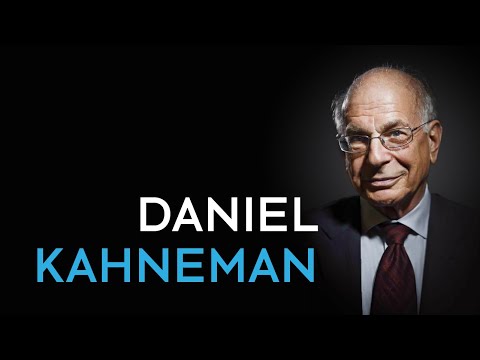
Key takeaways
- Gather structured ratings first.
- Let intuition come after facts, not before.
- A final gut judgment can help if it adds something beyond the scores.
Context
Kahneman was describing his early army interview system during a 2021 conversation about judgment and Noise. The quote above is taken word for word from the recording's transcript.
In the transcript
…were on the job and who had been using unstructured board of interviewing were furious with me and they were furious because they wanted that sense of intuition, they wanted the sense of getting to know someone and they wanted to use their clinical ability and I remember being told by one of them, "You're turning us into robots", that is by this sort of mechanical way of doing it.
So I compromised and my compromise was I told them, "Well, you do things the way I told you, you get those six scores, but once you have completed the six scores, close your eyes and make a judgment, an intuitive judgment, how good a soldier would that person be." Now, a few months later we had the results of that study and the results were that we were doing a lot better than in the unstructured interview. Today that's not a surprise at all. But what was surprising to me then was that the final intuitive judgment, close your eyes and make a judgment, was highly valid and it added content, it added validity beyond the six traits that had been evaluated.
So now the lesson I drew from that was that intuition does work, but you want to resist forming an intuition too quickly. You want to resist in the more recent terms, you want to resist fast thinking. You want to collect the information, you want to develop a profile of the case and then you can allow yourself an intuitive judgment. And this I realised many decades later can…
Topics
What others said about decision making
More questions about Daniel Kahneman
- What did Daniel Kahneman say about whether organizations can reduce noise in judgment?
- How does Daniel Kahneman distinguish noise from bias?
- What did Daniel Kahneman say about algorithms versus human judgment?
- What did Daniel Kahneman say about whether nudging can solve climate change?
- What did Daniel Kahneman say about getting advice when you are biased or emotional?
- What did Daniel Kahneman say about delaying intuition when making decisions?
All Daniel Kahneman answers · All Daniel Kahneman recordings
How this answer was made: the quote is checked word for word against the transcript of the recording and confirmed as the speaker's own words; the summary above it was drafted with AI from that transcript and quality-checked. Methodology and corrections.