Tony Robbins: Why We Do What We Do
On Human Motivation: The Six Human Needs
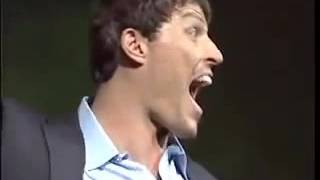

What Robbins talks about
Tony Robbins gave this TED Talks lecture on human motivation, explaining emotion, focus, fulfillment, and the six human needs that shape behavior.
Also known as: Why we do what we do, and how we can do it better; Why We Do What We Do (TED Talks); The Six Human Needs.
Tony Robbins argues that motivation is really about understanding the invisible forces that drive behavior: emotion, focus, meaning, and the decisions people make. He says people often blame lack of resources, but the real determinant is resourcefulness.
He frames life as two lessons: the science of achievement and the art of fulfillment. Fulfillment, he says, comes from growth and contribution, not just meeting personal needs.
Robbins closes by describing six human needs and showing how they shape both individual destiny and society. He uses stories from his own life and from major public moments to show how changing focus and meaning can change outcomes.
Robbins speaks throughout, with audience applause and brief reactions.
In his words
“I believe that the invisible force of internal drive activated is the most important thing in the world.”
“The defining factor is never resources. It's resourcefulness.”
“Decision is the ultimate power.”
“If you don't grow, you what?”
“The secret to living is giving.”
Key points
- Emotion, not intellect alone, drives behavior and action.
- Decision is the ultimate power: focus, meaning, and emotion shape destiny.
- Resourcefulness matters more than resources.
- The science of achievement is easier than the art of fulfillment.
- The six human needs are certainty, uncertainty, significance, love/connection, growth, and contribution.
- Growth and contribution are the deepest sources of fulfillment.
- Changing one’s state and model of the world can change performance and life outcomes.
Full transcript: Tony Robbins, Why We Do What We Do
[music] Thank you. I have to tell you, I'm both challenged and excited. My excitement is, uh, I get a chance to give something back. My challenge is the shortest seminar I usually do is 50 hours, and I'm not exaggerating. I do weekends, and what I do, I do more than that. Obviously, coach people, but I'm into immersion because how do you learn language? You didn't learn it by just learning principles. You got in it, and you did it so often that it became real.
And the bottom line of why I'm here, besides being a crazy mofo, is that I'm really in a position—I'm not here to motivate you. Obviously, you don't need that. And a lot of times, that's what people think I do. And it's the furthest thing from it. Um, what happens though is people say to me, "Well, I don't need any motivation." And I said, "Well, that's interesting. That's not what I do. I'm the why guy. I don't know why you do what you do. What is your motive for action? What is it that drives you in your life today, not 10 years ago, or are you running the same pattern?" Because I believe that the invisible force of internal drive activated is the most important thing in the world. I'm here because I believe emotion is the force of life. All of us here have great minds. You know, most of us here have great minds, right? I don't know if I'm in the category, but we all know how to think. And with our minds, we can
rationalize anything. We can make anything happen. We can, uh, I agree with what was described a few days ago about this idea that people work in their self-interest. But we all know that that's [ __ ] at times. You don't work in your self-interest all the time because when emotion comes into it, the wiring changes in the way it functions. And so it's wonderful for us to think intellectually about how the life of the world is, and especially those who are very smart. We can play this game in our head, but I really want to know what's driving you. And what I'd like to maybe invite you to do by the end of this talk is explore where you are today for two reasons. One, so that you can contribute more. And two, so that hopefully we can not just understand other people more, but maybe appreciate them more and create the kinds of connections that can stop some of the challenges that we face in our society today. They're only going
to get magnified by the very technology that's connecting us, because it's making us intersect. And that intersection doesn't always create the view of everybody now understands everybody and everybody appreciates everybody. So I've had an obsession basically for 30 years, and that obsession has been what makes the difference in the quality of people's lives. What makes a difference in their performance, because that's what I got hired to do. I got to produce the result now. That's what I've done for 30 years. I get the phone call when the athlete is burning down on national television, and they were ahead by five strokes, and now they can't get back on the course, and I got to do something right now to get the result, or nothing matters. I get the phone call when the child is going to commit suicide, and I've got to do something right now. And in 29 years, I'm very grateful to tell you I've never lost one in 29 years. Doesn't mean I won't
someday, but I haven't done it. And the reason is an understanding of these human needs I want to talk to you about. Um, so when I get those calls about performance, that's one thing—like how do you make a change—but also, I'm looking to see, what is it that's shaping that person's ability to contribute, to do something beyond themselves? So maybe the real question is, you know, I look at life and say there are two master lessons. One is there's the science of achievement, which almost everyone in this room has mastered to an amazing extent. That's how do you take the invisible and make it visible, right? How you take what you dream about and make it happen. Whether it be your business, your contribution, society, money, whatever it is for you, your body, your family. But the other lesson of life that is rarely mastered is the art of fulfillment. Because science is easy, right? We know the rules. You write the code, you follow it, and you get the result. Once you know the game,
you just, you know, you up the ante, don't you? But when it comes to fulfillment, that's an art. And the reason is it's about appreciation and it's about contribution. You can only feel so much by yourself. So I've had an interesting laboratory to try to answer the question of the real question, which is what's the difference in somebody's life if you look at somebody like those people that you've given everything to, like all the resources they say they need. You gave them not a $100 computer. You gave them the best computer. You gave them love. You gave them joy. You were there to comfort them. And those people very often—and, you know, some of them, I'm sure, end up the rest of their life with all this love, education, money, and background spending their life going in and out of rehab. And then you meet people that have been through ultimate pain psychologically, sexually, spiritually, emotionally abused. And not always, but often, they become some of
the people that contribute the most to society. So the question we got to ask ourselves really is what is it? What is it that shapes us? And we live in a therapy culture. Most of us don't do that, but the culture is a therapy culture. And what I mean by that is the mindset that we are our past. And everybody in this room—you wouldn't be in this room if you bought that theory—but most of society thinks biography is destiny. The past equals the future. And of course it does if you live there. But what people in this room know and what we have to remind ourselves though, because you can know something intellectually. You can know what to do and then not use it, not apply it. So really what we got to remind ourselves is decision is the ultimate power. That's what it really is. Now when you ask people, you know, have you failed to achieve something? How many have ever failed to achieve something significant in your life? Say I. Thanks for the
Interaction on a high level there. But if you ask people why didn't you achieve something? Somebody who's working for you, you know, or a partner, even yourself, and you failed to achieve a goal. What's the reason people say they failed to achieve? What do they tell you? Don't have the—didn't know enough, didn't have the knowledge, didn't have the money, didn't have the time, didn't have the technology, you know, I didn't have the right manager, Supreme Court, didn't have the Supreme Court. (applause) And
And what do all those including the Supreme Court have in common? They are a claim to you missing resources. And they may be accurate. You may not have the money. You may not have the Supreme Court. But that is not the defining (applause) factor. And you correct me if I'm wrong. The defining factor is never resources. It's resourcefulness. And what I mean specifically rather than just some phrase is if you have emotion, human emotion, something that I experienced from you day before yesterday at a level that is as profound as I've ever experienced. And if you communicated with that emotion, I believe you would have beat his ass and won. But how easy for me to tell him what he
should do. Idiot Robbins. But I know when we watched the debate, when we watched the debate at that time, there were emotions that blocked people's ability to get this man's intellect and capacity and the way they came across to some people in that day. 'Cause I know people that wanted to vote in your direction and didn't. And I'm was upset, but there was emotion that was there. How many know what I'm talking about here? Say, I—I. So emotion is it. And if we get the right emotion, we can get ourselves to do anything. We can get through it. If you're creative enough, playful enough, fun enough, can you get through to anybody? Yes or no? If you don't have the money, but you're creative or determined enough, you find the way. So this is the ultimate resource. But this is not the story that people tell us, right? The story people
tell us is a bunch of different stories. They tell us we don't have the resources, but ultimately, if you take a look here, flip it up if you would. They say, "What are all the reasons they have in common?" We've said that. Next one, please. He's broken my pattern. That son of a (laughter) [ __ ] But I appreciated the energy, I'll tell you that. What determines your resources? We've said decisions shape destiny, which is my focus here. If decisions shape destiny, what determines it is three decisions. What are you going to focus on right now? You have to decide what you're going to focus on in this second consciously or unconsciously. The minute you decide to focus on something, you got to give it a meaning. And whatever that meaning is produces emotion. Is this the end or the beginning? Is God punishing me or rewarding me? Or is this the roll of the dice? And emotion then creates what
we're going to do or the action. So think about your own life, the decisions that have shaped your destiny. And that sounds really heavy, but in the last 5 or 10 years, 15 years, haven't there been some decisions you've made that if you made a different decision, your life would be completely different? How many can think of one honestly? Better or worse. Say I. I. So the bottom line is maybe it was where to go to work and you met the love of your life there. Maybe it was a career decision. I know the Google geniuses I saw here. I mean I understand that their decision was to sell their technology at first. What if they made that decision versus to build their own culture? How would the world be different? How would their lives be different? Their impact. The history of our world is these decisions. When a woman stands up and says, "No, I won't go to the back of the bus." She didn't just affect her life. That decision shaped our culture. Or someone standing
in front of a tank or being in a position like Lance Armstrong and someone says to you, "You got testicular cancer." That's pretty tough for any male, especially if you ride a bike. You got it in your brain. You got it in your lungs. But what was his decision of what to focus on? Different than most people. What did it mean? It wasn't the end. It was the beginning. What are you going to do? He goes off and wins seven championships. He never once—once before the cancer because he got emotional fitness, psychological strength. That's the difference in human beings that I've seen of the 3 million I've been around 'cause that's my lab. I've had 3 million people from 80 different countries that I've had a chance to interact with over the last 29 years. And after a while, patterns become obvious. You see that South America and Africa maybe connect in a certain way, right? Other people say, "Oh, that
sounds ridiculous." It's simple. So, what shape Lance? What shapes you? Two invisible forces very quickly. One, state. We all have had times. Have you had a time you did something and after you did it, you thought to yourself, "I can't believe I said that. I can't believe I did that. It was so stupid." Who's been there? Say I. I. Have you ever done something after you do it? You go, "That was me," right? It wasn't your ability. It was your state. Your model of the world is what shapes you long term. Your model of the world is the filter. That's what's shaping us. That's what makes people make decisions. We want to influence somebody. We got to know what already influences them. And it's made up of three parts I believe. First, what's your target? What are you after? Which I believe it's not your desires. You can get your desires to goals. How many ever got a goal desire and thought
Is this all there is? How many have been there? Say I. I. So, it's needs we have. I believe there are six human needs. Second, once you know what the target that's driving you is and you uncover it for the truth. You don't form it. You uncover it. Then you find out what's your map. What's the belief systems that are telling you how to get those needs? Some people think the way to get those needs is to destroy the world. Some people is to build something, create something, love someone. And then there's the fuel you pick. So very quickly, six needs. Let me tell you what they are. First one, certainty. Now these are not goals or desires. These are universal. Everyone needs certainty that they can avoid pain. At least be comfortable. Now how do you get it? Control everybody. Develop a skill. Give up. Smoke a cigarette. And if you got totally certain, ironically, even though we all need that, like if you're not certain about your health or your children or money, you don't think about
much more. You're not sure the ceiling's going to hold up. You're going to listen to any speaker. But while we go for certainty differently, if we get total certainty, we get what? What do you feel if you're certain? You know what's going to happen, when it's going to happen, how it's going to happen. What would you feel? Bored out of your mind. So God in her infinite wisdom, gave us a second human need, which is uncertainty. We need variety. We need surprise. How many of you here love surprises? Say, I [ __ ] You like the surprises you want. The ones you don't want, you call problems, but you need them. So variety is important. Have you ever rented a video or a film that you've already seen? Who's done this? Get a [ __ ] life, right? Why are you doing it? You're certain it's good 'cause you read it before, saw it before, but you're hoping it's been long enough you've forgotten
enough. There's variety. Third human need, critical significance. We all need to feel important, special, unique. You can get it by making more money. You can do it by being more spiritual. You can do it by getting yourself in a situation where you put more tattoos and earrings in places humans don't want to know. Whatever it takes. The fastest way to do this if you have no background, no culture, and no belief in resources or resourcefulness is violence. If I put a gun to your head and I live in the hood, instantly I'm significant. Zero to 10, how high? 10. How certain am I you're going to respond to me? 10. How much uncertainty? Who knows what's going to happen next? Kind of exciting. Like climbing up into a cave and doing that stuff all the way down there. Total variety and uncertainty. And it's significant, isn't it? So, you're willing to risk your life for it. So that's why violence has always been around and will be around unless we have
a consciousness change as a species. Now you can get significance a million ways but to be significant you got to be unique and different. Here's what we really need. Connection and love. Fourth need. We all want it. Most people settle for connection 'cause love's too scary. Don't want to get hurt. Who here has ever been hurt in an intimate relationship? Say I. If you don't raise your hand, you'll love that other [ __ ] too. Come on. And you're going to get hurt again. Aren't you glad you came to this positive visit? But here's what's true. We need it. We can do it through intimacy, through friendship, through prayer, through walking in nature. If nothing else works for you, get a dog. Don't get a cat, get a dog. Because if you leave for two minutes, it's like you've been gone for six months when you show back up again five minutes later. Right now, these first four needs every human finds a way to meet. Even if you lie to yourself, you need to split
personalities. But the last two needs, the first four needs are called the needs of the personality is what I call it. The last two are the needs of the spirit. And this is where fulfillment comes. You won't get fulfillment from the first four. You'll figure a way. Smoke, drink, do whatever. Meet the first four. But the last two, number five, you must grow. We all know the answer here. If you don't grow, you what? If a relationship's not growing, if a business is not growing, if you're not growing, doesn't matter how much money you have, how many friends you have, how many people love you, you feel like hell. And the reason we grow, I believe, is so we have something to give of value. Because the sixth need is to contribute beyond ourselves. 'Cause we all know, corny as it sounds, the secret to living is giving. We all know life's not about me. It's about we. This culture knows that. This room knows that. And it's exciting. When you see Nicholas up
here talking about his $100 computer, the most passionate exciting thing is here's a genius. But he's got a calling now. You can feel the difference in him. And it's beautiful. And that calling can touch other people. In my own life, my life is touched because when I was 11 years old, Thanksgiving, no money, no food. And we're not going to starve, but my father was totally messed up. My mom was letting him know how bad he messed up. And somebody came to the door and delivered food. My father made three decisions. I know what they were briefly. His focus was this is charity. What does it mean? I'm worthless. What I got to do? Leave my family, which he did. The time one of the most painful experiences of life. My three decisions gave me a different path. I said, focus on there's food. What a concept. You know, second, but this is what changed my life. This is what shaped me as a
Human being. Somebody's gift. I don't even know who it is. I thought my father always said, "No one gives a shit." And all of a sudden, somebody I don't know. They're not asking for anything that's giving our family food, looking out for us. It made me believe this. What does it mean that strangers care? And what that made me decide is strangers care about me and my family. I care about them. What am I going to do? I'm going to—I'm going to do something. Make a difference. So when I was 17, I went out one day on Thanksgiving. It was my target for years. Have enough money to feed two families. Most fun thing I ever did in my life. Most moving. Then next year I did four. And I didn't tell anybody I was doing it. Next year, eight. I wasn't doing it for brownie points. But after eight, I thought, [ __ ] I could use some help. So sure enough, I went out and what did I do? I got my friends involved and I grew companies and then I companies and I built the foundation. Now 18 years later, I'm proud to tell
You, last year we fed 2 million people in 35 countries through our foundation all during the holidays, Thanksgiving, Christmas in all the different countries around the world. It's been fantastic. Thank you. So I don't tell you that to brag. I tell you because I'm proud of human beings because they get excited to contribute once they've had the chance to experience it, not talk about it. So finally, I'm about out of time. It's the target that shapes you. Here's what's different about people. We have the same needs, but are you a certainty freak? Is that what you value most? Or uncertainty? This man here couldn't be a certainty freak if you climb those through those caves. Are you driven by significance or love? We all need all six. But whatever your lead system is, tilts you in a different direction. And as you move in a direction, you have a destination or destiny. The second piece
Is the map. Think of that as the operating system that tells you how to get there. And some people's map is, I'm going to save lives even if I die for other people, and they're a fireman. Somebody else says, I'm going to kill people to do it. They're trying to meet the same needs of significance, right? They want to honor God or honor their family, but they have a different map. And there are seven different beliefs. I can't go through them because I'm done. The last piece is emotion. I say one of the parts of the map is like time. Some people's idea of a long time is 100 years. Somebody else says is 3 seconds, which is what I have. And the last one I've already mentioned that felt you. If you got a target and you got a map and let's say, uh, I can't use Google 'cause I love Macs and they haven't made it good for Macs yet. So if you use MapQuest, how many have made this fatal mistake of using MapQuest at some time? You use this thing and you don't get there.
Well, imagine if your beliefs guarantee you can never get to where you want to go. The last thing is emotion. Now, here's what I'll tell you about emotion. There are 6,000 emotions that we all have words for in the English language, which is a linguistic representation, right? It changes by language. But if your dominant emotions, if you—I have more time, I have 20,000 people or a thousand and I have them write down all the emotions that they experience in an average week and I give them as long as they need. And on one side they write empowering emotions, the other's disempowering. Guess how many emotions people experience? Less than 12. And half of those make them feel like [ __ ]. So they got five or six good freaking feelings, right? It's like they feel happy, happy, excited, oh [ __ ] frustrated, frustrated, overwhelmed, depressed. How many of you know somebody who no matter what happens finds a way to get pissed off? How many know
Somebody like this? Or no matter what happens, no matter what happens, they find a way to be happy or excited. How many know somebody like this? Come on. When 9/11 happened, and I'll finish with this. I was in Hawaii. I was with 2,000 people from 45 countries. We were translating four languages simultaneously for a program that I was conducting for a week. The night before was called emotional mastery. I got up, had no plan for this, and I said, we had a list of fireworks. I do crazy [ __ ] fun stuff. And then at the end I stopped and I had this plan I was going to say it but I never do what I'm going to say. And all of a sudden I said, when do people really start to live? When they face death. And I went through this whole thing about if you were going to get off this island, if nine days from now you were going to die, who would you call? What would you say? What would you
Do? One woman, well that night is when 9/11 happened. One woman had come to the seminar and when she came there her previous boyfriend had been kidnapped and murdered. Her friend or her new boyfriend wanted to marry her and she said no. No. He said, "If you leave and go to that Hawaii thing, it's over with her." She said, "It's over." When I finished that night, she called him and left a message, true story, at the top of the World Trade Center where he worked. Saying, "Honey, I love you. I just want you to know I—I want to marry you. It was stupid of me." She was asleep. 'Cause it was 3:00 a.m. for us when he called her back from the top and said, "Honey, I can't tell you what this means." He said, "I don't know how to tell you this, but you give me the greatest gift 'cause I'm going to die." And she played the recording for us in the room. She was on Larry King later. And he said, "You probably wondering how on
Earth, this could happen to you twice. And he said, "All I can say to you is this must be God's message to you, honey. From now on, every day, give your all. Love your all. Don't let anything ever stop you." She finishes and a man stands up and he says, "I'm from Pakistan. I'm a Muslim. I'd love to hold your hand and say, 'I'm sorry, but frankly, this is retribution.' I can't tell you the rest cuz I'm out of time." (applause) Are you (applause) sure? So, I want to be respectful. 10 seconds. All I can tell you is I brought this man on stage with a man from New York who worked in the World Trade
Center 'cause I had about 200 New Yorkers there. More than 50 lost their entire companies, their friends marking off their Palm Pilots. One financial trader, this woman made a steel balling 30 friends crossing off all died. And what I did to people said, "What are we going to focus on? What does this mean? Was it what are we going to do?" And I took the group and got people to focus on if you didn't lose somebody today, your focus is going to be how to serve somebody else. There are people there. One woman got him. She was so angry and screaming and yelling. Then I found out she wasn't from New York. She's not an American. She doesn't know anybody here. I said, "You always get angry." She said, "Yes." Guilty people got guilty. Sad people got sad. And I took these two men and did what I call an indirect negotiation. Jewish man with family in the occupied territory, some New York who would have died if he was at work that day and his
man who wanted to be a terrorist and made it very clear. And the integration that happened is on a film which I'll be happy to send you. So you can really see what actually happened instead of my verbalization of it. But the two of them not only came together and changed their beliefs and models of the world, but they've worked together to bring for almost four years now to various mosques and synagogues the idea of how to create peace. And he wrote a book which is called My Jihad, My Way of Peace. So transformation can happen. So my invitation to you is this: Explore your web, the web in here, the needs, the beliefs, the emotions that are controlling you for two reasons. So there's more of you to give. Yeah, achieve too. We all want to do it. But I mean, give because that's what's going to fill you up. And secondly, so you can appreciate, not just understand. That's intellectual. That's mind. But
appreciate what's driving other people. It's the only way our world's going to change. God bless you. Thank you. I hope this was served. (music) What if great ideas weren't cherished? What if they carried no importance or held no value? (music) There is a place where artistic vision is protected, where inspired design
ideas live on to become ultimate driving (music) machines. Somebody came in the door and delivered food. My father made three decisions. I know what they were briefly. His focus was this is charity. What does it mean? I'm worthless. What I got to do? Leave my family. Which he did. The time one of the most painful experiences of life. My three decisions gave me a different path. I said focus on there's food. What a concept, you know. Second, but this is what changed my life. This is what shaped me as a human being. Somebody's gift. I don't even know who it is. I thought my father always said, "No one gives a shit." And all a sudden, somebody I don't know. They're not asking for it. This is giving our family food, looking out for
us. It made me believe this. What does it mean that strangers care? And what that made me decide is strangers care about me and my family. I care about them. What am I going to do? I'm going to, I'm going to do something to make a difference. So when I was 17, I went out one day on Thanksgiving. It was my target for years. Have enough money to feed two families. Most fun thing I ever did in my life, most moving. Then next year I did four. And I didn't tell anybody I was doing. Next year eight. I wasn't doing it for brownie points. But after eight, I thought, [ __ ] I could use some help. So sure enough, I went out and what did I do? I got my friends involved and I grew companies and then I got 11 companies and I built a foundation. Now 18 years later, I'm proud to tell you, last year we fed two million people in 35 countries to our foundation all during the holidays, Thanksgiving, Christmas in all the different countries around the world. Isn't that fantastic? Thank
you. So, I don't tell you that to brag. I tell you because I'm proud of human beings because they get excited to contribute once they've had the chance to experience it, not talk about it. So, finally, I'm about out of time. The target that shapes you. Here's what's different about people. We have the same needs, but are you a certainty freak? Is that what you value most or uncertainty? This man here couldn't be a certainty freak if he climbed those through those caves. Are you driven by significance or love? We all need all six. But whatever your lead system is, tilts you in a different direction. And as you move in a direction, you have a destination or destiny. The second piece is the map. Think of that as the operating system tells you how to get there. And some people's map is I'm going to save lives even if I die for other people. And they're a fireman. Somebody else says
I'm going to kill people to do it. They're trying to meet the same needs of significance, right? They want to honor God or honor their family, but they have a different map. And there are seven different beliefs. I can't go through them because I'm done. The last piece is emotion. I say one of the parts of the map is like time. Some people's idea of a long time is 100 years. Somebody else says is 3 seconds, which is what I have. And the last one I've already mentioned that felt you. If you got a target and you got a map and let's say, uh, I can't use Google because I love Macs and they haven't made it good for Macs yet. So if you use MapQuest, how many have made this fatal mistake of using MapQuest at some time? You use this thing and you don't get there. Well, imagine if your beliefs guarantee you can never get to where you want to go. The last thing is emotion. Now, here's what I'll tell you about emotion.
There are 6,000 emotions that we all have words for in the English language, which is a linguistic representation, right? It changes by language. But if your dominant emotions, if I, you know, I have more time, I have 20,000 people or a thousand. And I have them write down all the emotions that they experience in an average week. And I give them as long as they need. And on one side they write empowering emotions, the other's disempowering. Guess how many emotions people experience? Less than 12. And half of those make them feel like [ __ ]. So they got five or six good freaking feelings, right? It's like they feel happy, happy, excited, oh [ __ ], frustrated, frustrated, overwhelmed, depressed. How many of you know somebody who no matter what happens finds a way to get pissed off? How many know somebody like this? Or no matter what happens, no matter what happens, they find a way to be happy or excited. How many you know somebody like this?
Come on. When 9/11 happened, and I'll finish with this. I was in Hawaii. I was with 2,000 people from 45 countries. We were translating four languages. Science mastered is the art of fulfillment because science is easy, right? We know the rules. You write the code. You follow the and you get the result. Once you know the game, you just, you know, you up the ante, don't you? But when it comes to fulfillment, that's an art. And the reason is it's about appreciation and it's about contribution. You can only feel so much by yourself. So I've had an interesting laboratory to try to answer the question of the real question which is what's the difference in somebody's life if you look at somebody like those people that you've given everything to like all the resources they say they need. You gave them not a $100 computer. You gave them the best computer. You gave them love. You gave them joy. You were there to comfort them. And those people very often and
you know some of them I'm sure that the rest of their life with all this love, education, money and background spending their life going in and out of rehab. And then you meet people that have been through ultimate pain psychologically, sexually, spiritually, emotionally abused. And not always, but often they become some of the people that contribute the most to society. So the question we got to ask ourselves really is what is it? What is it that shapes us? And we live in a therapy culture. Most of us don't do that, but the culture is a therapy culture. And what I mean by that is the mindset that we are our past. And everybody in this room, you wouldn't be in this room if you bought that theory. But the most of society thinks biography is destiny. The past equals the future. And of course it does if you live there. But what people in this room know and what we have to remind ourselves though because you can know something intellectually. You can
know what to do and then not use it, not apply it. So really what you got to remind ourselves is decision is the ultimate power. That's what it really is. Now, when you ask people, you know, have you failed to achieve something? How many have ever failed to achieve something significant in your life? Say I. Thanks for the interaction on a high level there. But if you, if you ask people why didn't you achieve something? Somebody who's working for you, you know, or a partner, even yourself, and you failed to achieve a goal. What's the reason people say they failed to achieve? What do they tell you? Didn't have the didn't know enough, didn't have the knowledge, didn't have the money, didn't have the time, didn't have the technology, you know, I didn't have the right manager, Supreme Court, didn't have the Supreme Court. (applause) And
and what do all those including the Supreme Court have in common? They are a claim to you missing resources. And they may be accurate. You may not have the money. You may not have the Supreme Court. But that is not the defining (applause) factor. And you correct me if I'm wrong. The defining factor is never resources. It's resourcefulness. And what I mean specifically rather than just some phrase is if you have emotion, human emotion, something that I experienced from you day before yesterday at a level that is as profound as I've ever experienced. And if you communicated with that emotion, I believe you would have beat his ass and won. But how easy for me to tell him what he
should do. Idiot Robbins. But I know when we watched the debate, when we watched the debate at that time, there were emotions that blocked people's ability to get this man's intellect and capacity and the way they came across to some people in that day. 'Cause I know people that wanted to vote in your direction and didn't. And I'm was upset but there was emotion that was there. How many know what I'm talking about here? Say I. I. So emotion is in what they are. First one, certainty. Now these are not goals or desires. These are universal. Everyone needs certainty that they can avoid pain. At least be comfortable. Now how do you get it? Control everybody. Develop a skill. Give up. Smoke a cigarette. And if you got totally certain, ironically, even though we all need that, like if you're not certain
About your health or your children or money, you don't think about much more. You're not sure the ceiling's going to hold up. You're going to listen to any speaker. But while we go for certainty differently, if we get total certainty, we get what? What do you feel if you're certain? You know what's going to happen, when it's going to happen, how it's going to happen. What would you feel? Bored out of your mind. So God in her infinite wisdom gave us a second human need, which is uncertainty. We need variety. We need surprise. How many of you here love surprises? Say, "I." [ __ ] You like the surprises you want. The ones you don't want, you call problems, but you need them. So variety is important. Have you ever rented a video or a film that you've already seen? Who's done this? Get a [ __ ] life, right? Why are you doing it?
You're certain it's good 'cause you read it before, saw it before, but you're hoping it's been long enough you've forgotten enough. There's variety. Third human need, critical significance. We all need to feel important, special, unique. You can get it by making more money. You can do it by being more spiritual. You can do it by getting yourself in a situation where you put more tattoos and earrings in places humans don't want to know. Whatever it takes. The fastest way to do this if you have no background, no culture, and no belief in resources or resourcefulness is violence. If I put a gun to your head and I live in the hood, instantly I'm significant. Zero to 10, how high? 10. How certain am I you're going to respond to me? 10. How much uncertainty? Who knows what's going to happen next? Kind of exciting. Like climbing up into a cave and doing that stuff all the way down there. Total variety and uncertainty. And it's significant, isn't it? So you're willing
to risk your life for it. So that's why violence has always been around, will be around unless we have a consciousness change as a species. Now, you can get significance a million ways, but to be significant, you got to be unique and different. Here's what we really need. Connection and love. Fourth need. We all want it. Most people settle for connection because love's too scary. Don't want to get hurt. Who here has ever been hurt in an intimate relationship? Say I. If you don't raise your hand, you'll love that other [ __ ] too. Come on. And you're going to get hurt again. Aren't you glad you came to this positive visit? But here's what's true. We need it. We can do it through intimacy, through friendship, through prayer, through walking in nature. If nothing else works for you, get a dog. Don't get a cat, get a dog. 'Cause if you leave for 2 minutes, it's like you've been gone for 6 months when you show back up again 5 minutes later. Right now, these first four needs every human
finds a way to meet. Even if you lie to yourself, you need to split personalities. But the last two needs, the first four needs are called the needs of the personality is what I call it. The last two are the needs of the spirit. And this is where fulfillment comes. You won't get fulfillment from the first four. You'll figure a way. Smoke, drink, do whatever. Meet the first four. But the last two, number five, you must grow. We all know the answer here. If you don't grow, you what? If a relationship's not growing, if a business is not growing, if you're not growing, doesn't matter how much money you have, how many friends you have, how many people love you, you feel like, hell. And the reason we grow, I believe, is so we have something to give of value. Because the sixth need is to contribute beyond ourselves. Because we all know, corny as it sounds, the secret to living is giving. We all know life's not about me. It's about we. This
culture knows that. This room knows that. And it's exciting. When you see Nicholas up here talking about his $100 computer, the most passionate exciting thing is here's a genius. But he's got a calling now. You can feel the difference in him. And it's beautiful. And that calling can touch other people. In my own life, my life was touched because when I was 11 years old, Thanksgiving, no money, no food. And we're not going to starve. But my father was totally messed up. My mom was letting him know how bad he messed up. And (music) Thank you. I have to tell you I'm both
challenged and excited. My excitement is, uh, I get a chance to give something back. My challenge is the shortest seminar I usually do is 50 hours, and I'm not exaggerating. I do weekends and what I do, I do more than that obviously, coach people, but I'm into immersion because how'd you learn language? You didn't learn it by just learning principles. You got in it and you did it so often that it became real. And the bottom line of why I'm here besides being a crazy mofo is that I'm really in a position. I'm not here to motivate you, obviously you don't need that. And a lot of times that's what people think I do and it's the furthest thing from it. Um, what happens though is people say to me, "I don't need any motivation." I say, "Well, that's interesting, that's not what I do. I'm the why guy. I want to know why you do what you do. What is your motive for
action? What is it that drives you in your life today? Not 10 years ago. Are you running the same pattern? Because I believe that the invisible force of internal drive activated is the most important thing in the world. I'm here because I believe emotion is the force of life. All of us here have great minds. You know, most of us here have great minds, right? I don't know if I'm in the category, but we all know how to think. And with our minds, we can rationalize anything. We can make anything happen. We can, uh, I agree with what was described a few days ago about this idea that people work in their self-interest, but we all know that that's [ __ ] at times. You don't work on your self-interest all the time because when emotion comes into it, the wiring changes in the way it functions. And so it's wonderful for us to think intellectually about how the life of the world is. And especially those who are
Very smart. We can play this game in our head. But I really want to know what's driving you. And what I'd like to maybe invite you to do by the end of this talk is explore where you are today for two reasons. One, so that you can contribute more. And two, so that hopefully we can not just understand other people more, but maybe appreciate them more and create the kinds of connections that can stop some of the challenges that we face in our society today. They're only going to get magnified by the very technology that's connecting us because it's making us intersect. And that intersection doesn't always create the view of everybody now understands everybody and everybody appreciates everybody. So, I've had an obsession basically for 30 years. And that obsession has been what makes the difference in the quality of people's lives. What makes a difference in their performance? Because that's what I got hired to do. I got to produce the result now. That's what I've done.
For 30 years. I get the phone call when the athlete is burning down on national television and they were ahead by five strokes and now they can't get back on the course. And I got to do something right now to get the result or nothing matters. I get the phone call when the child is going to commit suicide and I got to do something right now. And in 29 years, I'm very grateful to tell you I've never lost one in 29 years. Doesn't mean I won't someday, but I haven't done it. And the reason is an understanding of these human needs that I want to talk to you about. Um, so when I get those calls about performance, that's one thing, like how do you make a change? But also, I'm looking to see what is it that's shaping that person's ability to contribute to do something beyond themselves. So maybe the real question is, you know, I look at life and say there's two master lessons. One is there's the science of achievement which
almost every in this room has mastered to an amazing extent. That's how do you take the invisible and make it visible, right? How you take what you dream about and make it happen. Whether it be your business, your contribution, society, money, whatever it is for you, your body, your family. But the other lesson of life that is rarely if we get the right emotion, we can get ourselves to do anything. We can get through it. If you're creative enough, playful enough, fun enough, can you get through to anybody? Yes or no? If you don't have the money, but you're creative or determined enough, you find the way. So this is the ultimate resource, but this is not the story that people tell us, right? The story people tell us is a bunch of different stories. They tell us we don't have the resources, but ultimately, if you take a look here, flip it up if you would. They say, "What are all the reasons they have in common?" We said that. Next one, please. He's broken my pattern. That son of a (laughter)
[ __ ] but I appreciated the energy. I'll tell you that. What determines your resources? We've said decision-shaped destiny, which is my focus here. If decisions shape destiny, what determines it is three decisions. What are you going to focus on right now? You have to decide what you're going to focus on in this second, consciously or unconsciously. The minute you decide to focus on something, you got to give it a meaning. And whatever that meaning is produces emotion. Is this the end or the beginning? Is God punishing me or rewarding me? Or is this the roll of the dice and emotion then creates what we're going to do or the action? So think about your own life. The decisions that have shaped your destiny. And that sounds really heavy, but in the last 5 or 10 years, 15 years, haven't there been some decisions you've made that if you made a different decision, your life would be completely different? How many
can think of one honestly? Better or worse, say I. I. So the bottom line is maybe it was where to go to work and you met the love of your life there. Maybe it was a career decision. I know the Google geniuses I saw here. I mean, I understand that their decision was to sell their technology at first. What if they made that decision versus to build their own culture? How would the world be different? How would their lives be different? Her impact. The history of our world is these decisions. When a woman stands up and says, "No, I won't go to the back of the bus." She didn't just affect her life. That decision shaped our culture or someone standing in front of a tank or being in a position like Lance Armstrong and someone says to you, "You got testicular cancer." That's pretty tough for any male, especially if you ride a bike. You got it in your brain. You got it in your lungs. But what was his decision
of what to focus on? Different than most people. What did it mean? It wasn't the end. It was the beginning. What am I going to do? He goes off and wins seven championships. He never once won before the cancer because he got emotional fitness, psychological strength. That's the difference in human beings that I've seen of the three million I've been around. 'Cause that's my lab. I've had 3 million people from 80 different countries that I've had a chance to interact with over the last 29 years. And after a while, patterns become obvious. You see that South America and Africa maybe connect in a certain way, right? Other people say, "Oh, that sounds ridiculous." It's simple. So what shaped Lance? What shapes you? Two invisible forces very quickly. One state. We all have had times. Have you had a time you did something and after you did it, you thought to yourself, I can't believe I said that. I can't
Believe I did that. It was so stupid. Who's been there? Say I. I. Have you ever done something, and after you did it, you go, "That was me," right? It wasn't your ability. It was your state. Your model of the world is what shapes you long term. Your model of the world is the filter. That's what's shaping us. That's what makes people make decisions. We want to influence somebody; we gotta know what already influences them. And it's made up of three parts, I believe. First, what's your target? What are you after? Which, I believe, it's not your desires. You can get your desires to goals. How many have got a goal, desire, and thought, "Is this all there is?" How many been there? Say I. I. So, it's needs we have. I believe there are six human needs. Second, once you know what the target that's driving you is, and you uncover it for the truth—you don't form it; you uncover it—then you find out what's
your map. What's the belief system that is telling you how to get those needs? Some people think the way to get those needs is destroy the world. Some people think it's to build something, create something, love someone. And then there's the fuel you pick. So, very quickly: six needs. So, me.
From YouTube captions, lightly punctuated for readability. Timestamps link to the video above. Errors are possible.
Cite this recording
Tony Robbins, “Why We Do What We Do”. Transcript and video: Thinkers Archive, https://thinkersarchive.com/tony-robbins/human-motivation-ted-talks/
Quoting a passage? Link to its exact moment: every timestamp above has its own anchor (for example https://thinkersarchive.com/tony-robbins/human-motivation-ted-talks/#t-137).