What did Ray Dalio say about believability weighting?
Ray Dalio says knowing what people are like lets you match them with the right responsibilities and weigh decisions by their merits, which he calls believability. In one example, a vote that looked one way by majority opinion turned out completely different once the views were weighted this way. He says this is neither democracy nor autocracy, but an algorithm that takes believability into account.
“For example, a creative thinker who was unreliable might be matched up with someone who's reliable but not creative. Knowing what people are like also allows us to decide what responsibilities to give them and to weigh our decisions based on people's merits. We call it their believability. Here's an example of a vote that we took where the majority of people felt one way, but when we weighed the views based on people's merits, the answer was completely different. This process allows us to make decisions not based on democracy, not based on autocracy, but based on algorithms that take people's believability into consideration.”
Context
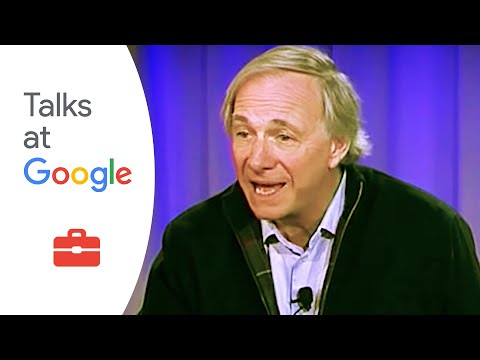
In a 2017 Talks at Google discussion about Principles, Dalio explains how Bridgewater uses radical transparency and data to make decisions. The quote above is taken word for word from the recording's transcript.
In the transcript
…watches what all these people are thinking, and it correlates that with how they think. And it communicates advice back to each of them based on that. Then it draws the data from all the meetings to create a pointillist painting of what people are like and how they think. And it does that guided by algorithms. Knowing what people are like helps to match them better with their jobs.
For example, a creative thinker who was unreliable might be matched up with someone who's reliable but not creative. Knowing what people are like also allows us to decide what responsibilities to give them and to weigh our decisions based on people's merits. We call it their believability. Here's an example of a vote that we took where the majority of people felt one way, but when we weighed the views based on people's merits, the answer was completely different. This process allows us to make decisions not based on democracy, not based on autocracy, but based on algorithms that take people's believability into consideration.
So let's imagine that you have data on everybody so that, you know, you just don't go walking in a room and everybody's got an opinion because... And without actually thinking with some element of score who is more likely to have the better opinion because there's a certain dynamic. You put, I don't know, 10 people in a room, and you're gonna get one of two things. You're either…
Read the full transcript of Talks at Google discussion, 2017
More questions about Ray Dalio
- Why does Ray Dalio say radical transparency brings trust?
- How does Ray Dalio test his decision rules?
- How does Ray Dalio resolve disagreement in an idea meritocracy?
- What did Ray Dalio say about handling conflict and disagreements?
- Why does Ray Dalio say he is preparing to retire?
- What does Ray Dalio say about diversification and capital allocation?
How this answer was made: the quote is checked word for word against the transcript of the recording and confirmed as the speaker's own words; the summary above it was drafted with AI from that transcript and quality-checked. Methodology and corrections.