What did Nassim Nicholas Taleb say about ethics and skin in the game?
Taleb says the ethical rule is simple: if you see a fraud, say fraud, because otherwise you're complicit. He criticizes systems where people can harm others without bearing the consequences themselves, such as bureaucrats, economists, and academics. For him, real ethics requires skin in the game, where the person making the decision also faces the downside.
“I had this thing-- when you see a fraud, say fraud. Otherwise you're a fraud-- so, commitment to ethics. And the whole book is about, of course, never ask a doctor what you should do. You get a complete different answer if you ask him what he would do if he were you. So here, I don't give advice. I just tell people what I've done, what I do. Like when someone asked me for a forecast, I don't believe in forecasts. I tell you this is what I've done. This is what I have my portfolio for the day. Go look at it, if I want. Otherwise, but no forecasts. The same thing is that you should never harm others with a mistake.”
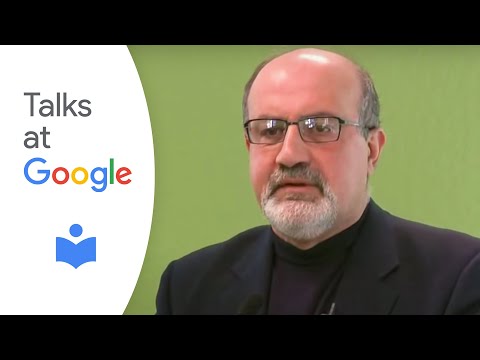
Key takeaways
- Call fraud by its name.
- Trust people less when they do not bear the downside.
- Advice should come from lived exposure, not detached theory.
Context
Near the end of the 2011 talk, Taleb pivots from the book's ideas to ethics and responsibility. The quote above is taken word for word from the recording's transcript.
In the transcript
…so far. And book number-- the last one, seven, is on ethics. It's very simple. It's about a situation in which one person makes the upside and someone else makes a downside. You're looking at me like, what he is he talking about? Well, have you heard of the banks? Bankers make the upside. The rest of society has a downside. So they're long volatility at the expense of others.
I had this thing-- when you see a fraud, say fraud. Otherwise you're a fraud-- so, commitment to ethics. And the whole book is about, of course, never ask a doctor what you should do. You get a complete different answer if you ask him what he would do if he were you. So here, I don't give advice. I just tell people what I've done, what I do. Like when someone asked me for a forecast, I don't believe in forecasts. I tell you this is what I've done. This is what I have my portfolio for the day. Go look at it, if I want. Otherwise, but no forecasts. The same thing is that you should never harm others with a mistake.
Why is this essential? At no time in history have we had more people harm others without paying the price, whether bureaucrats in Washington-- they're not harmed, shamed by spreadsheet-- to economists giving us bogus methods, and academics. I'm not harmed, I'm not the one bearing the harm, so nothing improves in that field. So like Steve Gill telling you, oh, it's peer reviewed by a great journal. Nonsense-- all…
Read the full transcript of Talks at Google, 2011 book launch lecture
Topics
What others said about ethics & integrity
More questions about Nassim Nicholas Taleb
- What did Nassim Nicholas Taleb say about antifragility and volatility?
- What did Nassim Nicholas Taleb say about the idea that what doesn’t kill you makes you stronger?
- What did Nassim Nicholas Taleb say about small government and localism?
- What did Nassim Nicholas Taleb say about limited liability and bailouts?
- What did Nassim Nicholas Taleb say about calling out fraud?
- What did Nassim Nicholas Taleb say about the silver rule in Skin in the Game?
All Nassim Nicholas Taleb answers · All Nassim Nicholas Taleb recordings
How this answer was made: the quote is checked word for word against the transcript of the recording and confirmed as the speaker's own words; the summary above it was drafted with AI from that transcript and quality-checked. Methodology and corrections.