How does Peter Lynch think regular investors can get an edge?
Lynch says ordinary investors can get an edge by noticing strong businesses in industries they already understand. He points to examples like mall retailers and local companies, where seeing foot traffic, expansion, or product strength can lead to useful ideas. But he stresses that this is only the start; you still have to do more research before buying.
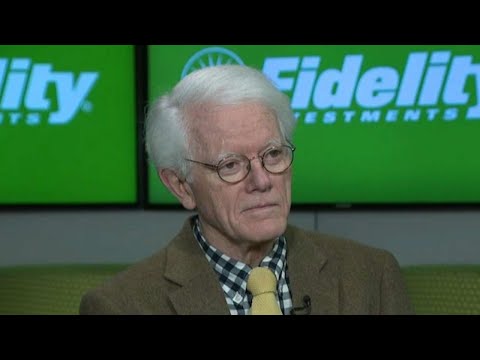
“Buy what you know, you also thought that the regular investor might be able to get an inside advantage by sticking to an industry he's familiar with or seeing something that she realizes is a great product. Imagine if you were in a mall the last 50 years, you would have seen Gap when it was hot, you were saying Limited was hot, we've seen what was not. Had we seen when they were starting, people weren't excited about Gap anymore, or then you do some research said, "Well, gee, there's a lot of Limited stores but we're only 20. You know, they can go to 400." So, you see a company. I did really well Dunkin' Donuts, a local company. I do well with Stop & Shop, but people can see that there's really some people showing up, or guess the Sunglass Hut, no one's there anymore. So, I mean, that's research; that's fundamentals. So, you don't leave the mall though and buy…”
Key takeaways
- Use your everyday observations to spot promising businesses.
- Look for real signs of growth, like more stores or more customers.
- Observation is not enough—follow it with research.
Context
Still in the 2019 interview, Lynch was describing how 'buy what you know' can work for individual investors in practice. The quote above is taken word for word from the recording's transcript.
In the transcript
…can add eight and eight and get fairly close to 16, you find out this company has lots of debt, no cash, they're in trouble, you shouldn't own it. So, a little bit of research, people are careful. They buy a refrigerator, they can't really take a vacation, and they'll put five, ten thousand dollars some stock to hear on the bus or the party—that's dangerous. So, when you say
Buy what you know, you also thought that the regular investor might be able to get an inside advantage by sticking to an industry he's familiar with or seeing something that she realizes is a great product. Imagine if you were in a mall the last 50 years, you would have seen Gap when it was hot, you were saying Limited was hot, we've seen what was not. Had we seen when they were starting, people weren't excited about Gap anymore, or then you do some research said, "Well, gee, there's a lot of Limited stores but we're only 20. You know, they can go to 400." So, you see a company. I did really well Dunkin' Donuts, a local company. I do well with Stop & Shop, but people can see that there's really some people showing up, or guess the Sunglass Hut, no one's there anymore. So, I mean, that's research; that's fundamentals. So, you don't leave the mall though and buy…
that day; you have to do some more work. That's the important point. Yeah, so today, there's so much information everywhere, information overload. Does that make it harder for active investors? The indexers say everyone's got access to the same information at the same time; you can't beat the market. Well, the way you beat the index is you avoid the stocks that go down. You avoid the steel companies…
Topics
More questions about Peter Lynch
- What did Peter Lynch mean by 'buy what you know'?
- What did Peter Lynch say about only buying what you know?
- What does Peter Lynch mean by "know what you own"?
- Why does Peter Lynch say it is futile to predict the economy and the stock market?
- What did Peter Lynch say about worrying over stocks you missed?
- What did Peter Lynch say about when to sell a stock?
How this answer was made: the quote is checked word for word against the transcript of the recording and confirmed as the speaker's own words; the summary above it was drafted with AI from that transcript and quality-checked. Methodology and corrections.