What did Paul Graham say about why benevolence helps startups?
Paul Graham says benevolence helps startups in three ways: it improves morale, makes other people want to help, and helps founders be decisive. He argues that when you feel like you’re really helping people, you keep working even during the low points that can otherwise make a startup stall. In his view, doing good is not just moral; it is a practical advantage.
“So I figured out that there's three ways that benevolence will help your startup. It improves your morale, it makes other people want to help you, and above all, it helps you be decisive. Morale is tremendously important to a startup. So important that that alone is almost enough to determine success. You will hear people describe start ups as an emotional roller coaster.”
Key takeaways
- Use mission to stay motivated during downturns.
- Treat benevolence as a strategic asset, not just branding.
- Make decisions by asking what helps users most.
Context
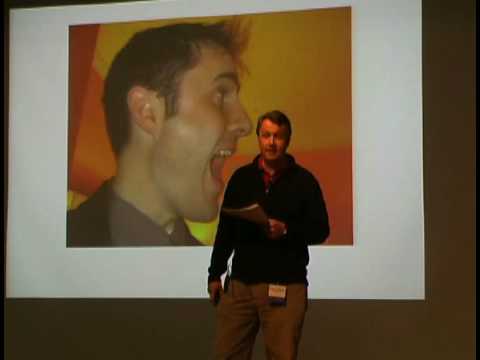
Paul Graham is explaining his case for benevolence during a 2014 LAUNCH Festival fireside chat about startups and why being good works. The quote above is taken word for word from the recording's transcript.
In the transcript
…But think how valuable it will be if it saves them from lapsing into the same laziness that Microsoft and IBM did. The curious thing is this elixir is freely available to any company that wants it. Any company can adopt. Don't be evil is their motto. Right? Google doesn't have any kind of IP protection on this one. The only catch is that people will hold you to it.
So I figured out that there's three ways that benevolence will help your startup. It improves your morale, it makes other people want to help you, and above all, it helps you be decisive. Morale is tremendously important to a startup. So important that that alone is almost enough to determine success. You will hear people describe start ups as an emotional roller coaster.
I could deal with that. Right? The problem is that it makes you stop working. So the downhill parts of the emotional roller coaster are actually more of a self fulfilling prophecy than the uphill parts. If feeling like you're gonna succeed makes you work harder, that will probably improve your chances of succeeding. Right? But if feeling like you're gonna fail makes you feel like... Makes you feel... Makes…
Read the full transcript of LAUNCH Festival 2014 fireside chat
Topics
What others said about business strategy
More questions about Paul Graham
- Why does Paul Graham say startups can sound like nonprofits?
- Why does Paul Graham say being good is like telling the truth?
- Why does Paul Graham say the rule is to do what is best for the startups?
- What did Paul Graham say about growth hacks?
- Why does Paul Graham say gaming the system fails in a startup?
- What does Paul Graham say is the best preparation for starting a startup?
How this answer was made: the quote is checked word for word against the transcript of the recording and confirmed as the speaker's own words; the summary above it was drafted with AI from that transcript and quality-checked. Methodology and corrections.