What does Mark Zuckerberg say is the key difference between the metaverse and today’s screens?
Mark Zuckerberg says the metaverse’s defining feature is presence: the feeling that you are really there, with other people or in another place. He contrasts that with phones, TVs, and other screens, which can simulate realism but still keep you aware that you are looking at a screen. For him, the challenge is to identify the cues that make the physical world feel real and recreate enough of them in virtual reality.
“Well, I think that's... This is, like, the key question. Right? Because the the thing that's different about virtual and, hopefully, augmented reality compared to all other forms of of digital platforms before is this feeling of presence. Right? The the feeling that you're right there in an experience and that you're there with other people or in another place, And that's just different from all of the other screens that we have today. Right? Phones, TVs, all the stuff. It's... You know, they're they're trying to, in some cases, deliver experiences that feel, high fidelity, but at no point do you actually feel like you're in it. Right? At some level, your content is trying to sort of convince you that this is a realistic thing that's happening, but all of the kind of subtle signals are telling you now you're looking at a screen. So the question about how you develop these systems is, like, what are all of the things that make the physical world all the different cues?”
Key takeaways
- Design for the feeling of being there, not just visual fidelity.
- Look for the cues that make real-world interaction feel natural.
- Presence depends on more than high-resolution graphics.
Context
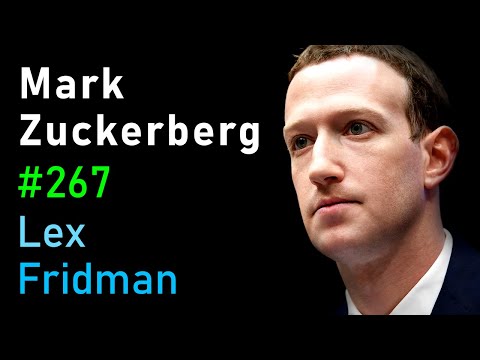
In a 2022 Lex Fridman Podcast conversation about the metaverse, Zuckerberg explained what makes immersive virtual reality different from other digital media. The quote above is taken word for word from the recording's transcript.
In the transcript
Well, I think that's... This is, like, the key question. Right? Because the the thing that's different about virtual and, hopefully, augmented reality compared to all other forms of of digital platforms before is this feeling of presence. Right? The the feeling that you're right there in an experience and that you're there with other people or in another place, And that's just different from all of the other screens that we have today. Right? Phones, TVs, all the stuff. It's... You know, they're they're trying to, in some cases, deliver experiences that feel, high fidelity, but at no point do you actually feel like you're in it. Right? At some level, your content is trying to sort of convince you that this is a realistic thing that's happening, but all of the kind of subtle signals are telling you now you're looking at a screen. So the question about how you develop these systems is, like, what are all of the things that make the physical world all the different cues?
So I I think on visual presence and spatial audio, we're making reasonable progress. Spatial audio makes a huge deal. I I don't know if you've tried this experience, work rooms that we that we launch where you have meetings. And, you know, I I basically made a rule for, you know, all of the the top, you know, management folks at the company that they need to be doing…
Topics
More questions about Mark Zuckerberg
- What did Mark Zuckerberg say about where free speech should stop?
- What does Mark Zuckerberg say the metaverse gives people socially and psychologically?
- Why does Mark Zuckerberg say technology should be open source?
- What did Mark Zuckerberg say about why he created Facebook and how he thinks about content moderation?
- What did Mark Zuckerberg say about censorship during COVID and the pressure from government?
- How did Mark Zuckerberg decide to scale Facebook's database architecture?
All Mark Zuckerberg answers · All Mark Zuckerberg recordings
How this answer was made: the quote is checked word for word against the transcript of the recording and confirmed as the speaker's own words; the summary above it was drafted with AI from that transcript and quality-checked. Methodology and corrections.